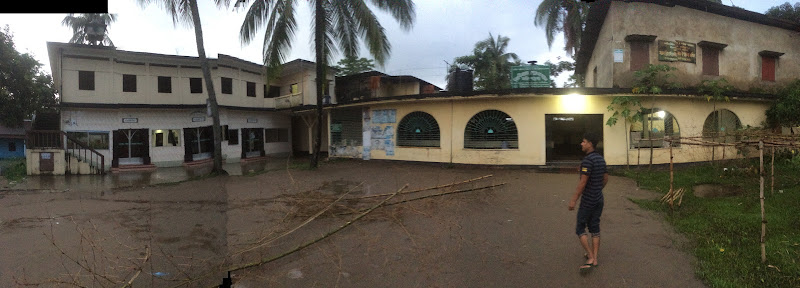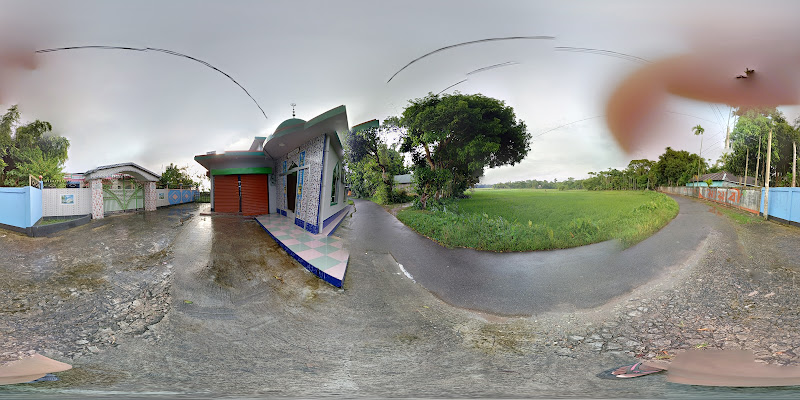
Mosque
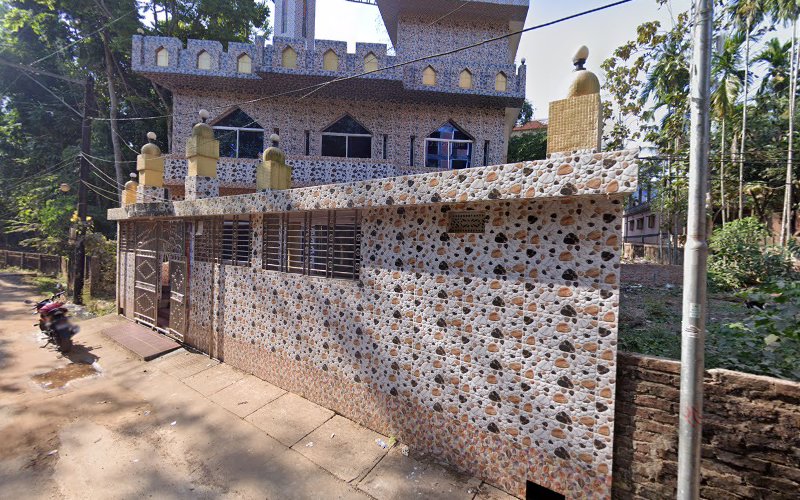
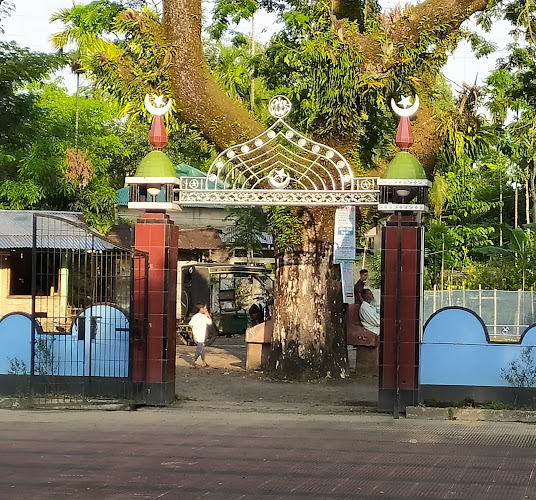
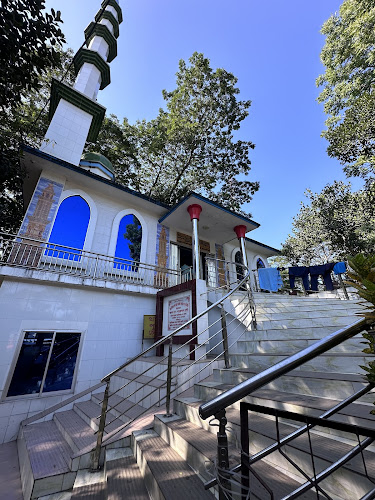
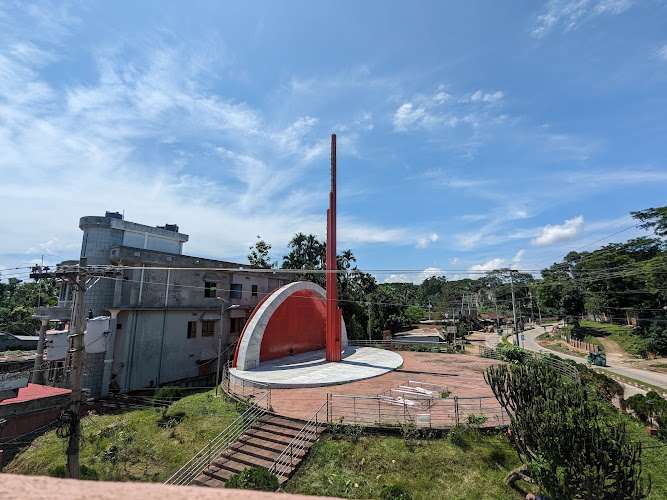
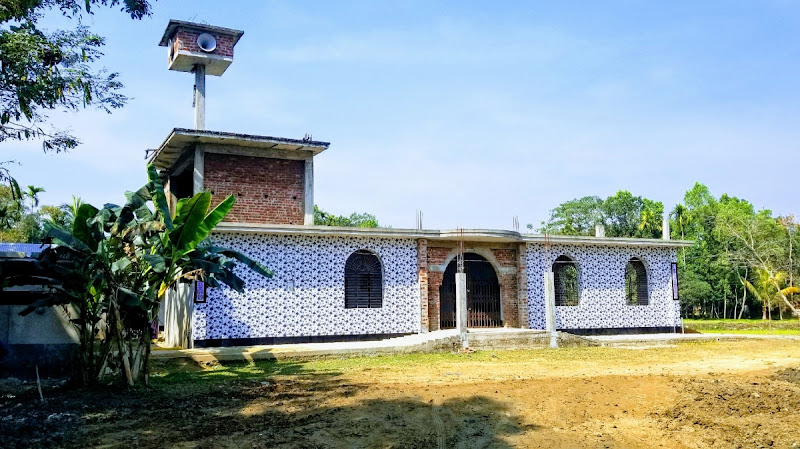
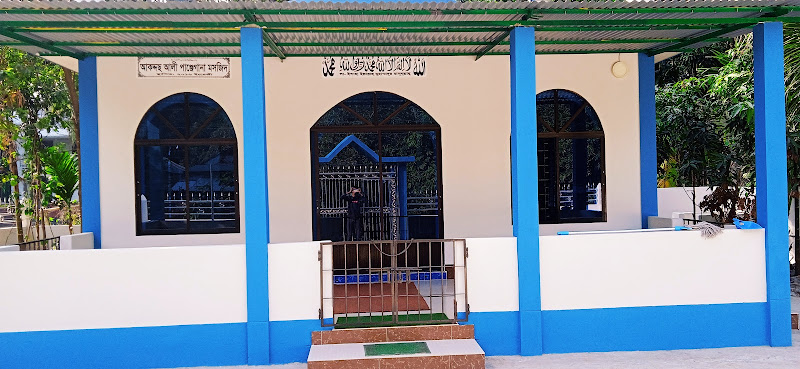
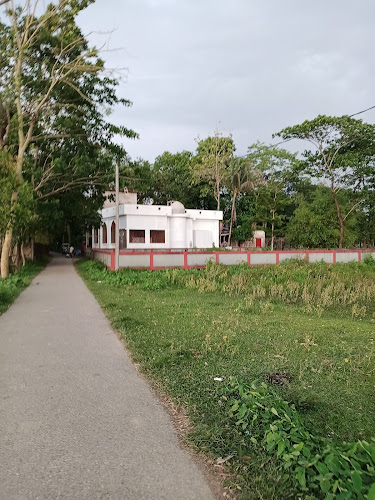
Beanibazar Upazila Masjid
R5G4+6XC, Fatehpur Rd, Beanibazar, Bangladesh
Beanibazar Upazila Masjid
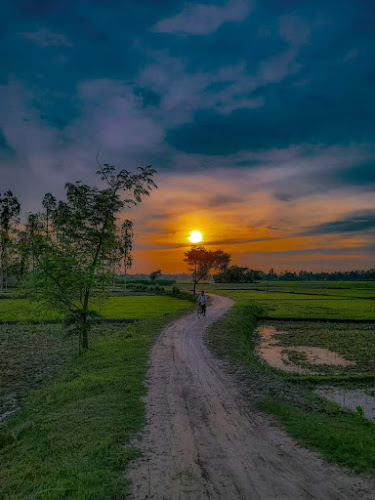
Beanibazar Upazila, located in the Sylhet Division of northeastern Bangladesh, is a region rich in history, culture, and natural beauty. The area is characterized by its picturesque landscapes, including hills, rivers, and lush greenery, making it a notable destination for both residents and visitors.
Historical Significance
The history of Beanibazar dates back to the 14th century. After the Conquest of Sylhet in 1303, Khwaja Adina Sufi, a disciple of Shah Jalal, migrated to what is now Adinabad in Charkhai (within Beanibazar) and began preaching Islam to the local population. The name "Beanibazar" is derived from the existing "Bihani Bazaar" ("Morning Market"), which was founded by the local landowner Krishna Kishore Pal Chowdhury. (en.wikipedia.org)
Geography and Demographics
Beanibazar covers an area of approximately 253.24 square kilometers and is situated between 24°45' and 24°57' north latitudes and between 92°03' and 92°15' east longitudes. It shares borders with Kanaighat and Zakiganj Upazilas to the north, Barlekha to the south, Zakiganj Upazila and Assam (India) to the east, and Golapganj Upazila to the west. The Upazila has a 12.01 km long international boundary with India. As of the 1991 Bangladesh census, Beanibazar had a population of 181,547, with a literacy rate of 80.5%, significantly higher than the national average of 32.4%. (en.banglapedia.org)
Religious and Cultural Heritage
Beanibazar is home to numerous religious institutions, including 388 mosques, 19 temples, and 7 tombs. Notable religious sites include the Patan Baghmara Jami Masjid, the tomb of Golab Shah (also known as 'Imam Bari'), and the Shree Shree Kali Mandir. (en.banglapedia.org)
Economy and Agriculture
The economy of Beanibazar is primarily agrarian. The main agricultural products include rice, orange, pineapple, and betel nut. The Upazila has a total of 39,025 acres of cultivable land, with 18,151 acres under cultivation. The average annual rainfall is 105 inches, and the average temperature is 95°F. (beanibazarnews24.com)
Educational Institutions
Beanibazar boasts a robust educational infrastructure. The Upazila has 4 colleges, 34 secondary schools, 134 primary schools, and 345 madrasas. Notable educational institutions include Lauta High School (established in 1871), Panchakandha Hargovinda High School (1917), Khasa Government Primary School (1895), and Jaldhup Government Primary School (1909). (en.banglapedia.org)
Natural Attractions
The Upazila is known for its natural beauty, featuring hills, rivers, and lush greenery. The Baro Haler Dighi, a large pond, is a notable tourist spot. The area is also famous for its pineapple and orange orchards, which attract both domestic and international tourists. (en.banglapedia.org)
Recent Developments
In January 2025, the Indian Border Security Force (BSF) obstructed the reconstruction of a 200-year-old mosque along the Gajukata border in Beanibazar. The reconstruction work had been halted for four years due to this obstruction. (thefinancialexpress.com.bd)
Overall, Beanibazar Upazila is a region that seamlessly blends historical significance, cultural richness, and natural beauty, making it a unique and vibrant part of Bangladesh.
Location
Place details
- Area
- Beanibazar, Beanibazar
- Country
- Bangladesh
- Map
- Open in maps