Memorial park
Česma u mahali
VC3G+J4R, Firduz-begova, Sarajevo 71000, Bosnia & Herzegovina
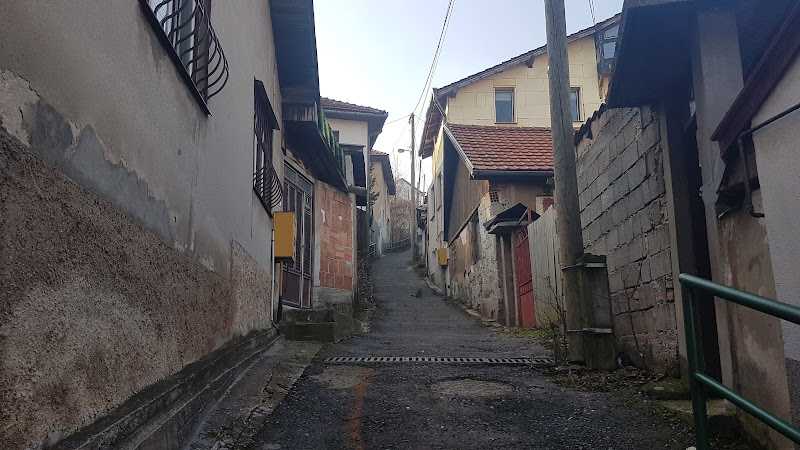
Ćurčića mahala
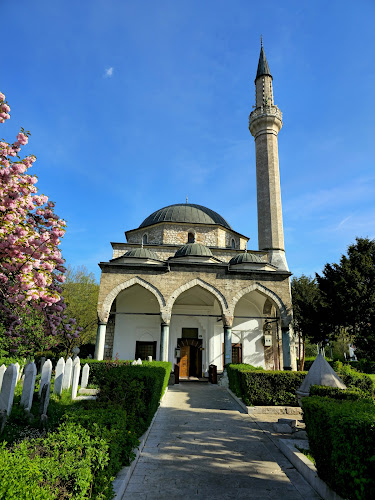
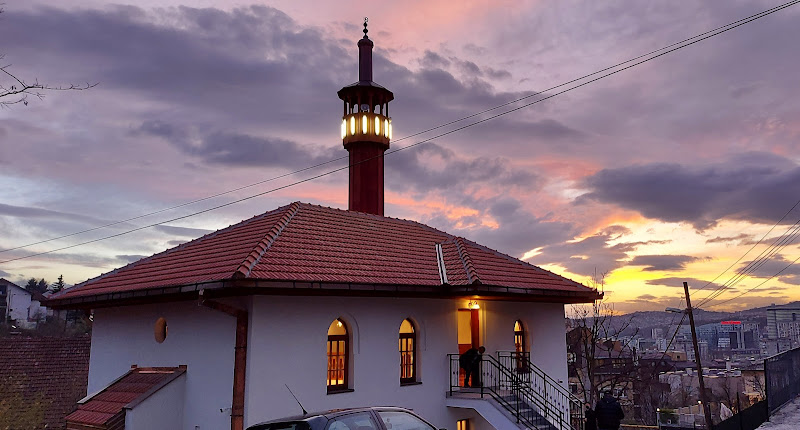
In the late 15th century, during the brief tenure of Jahja beg as the Bosnian sandžak-beg in 1493, significant developments occurred in Sarajevo. Among his contributions was the construction of a mosque in Ćurčića mahala, featuring a stone minaret. Recognizing the need for a public fountain to provide water for the mosque's congregation, Jahja beg intended to build one. However, his removal from office before completing this project left the plan unfulfilled.
Upon assuming the position, his successor, Firuz beg, engaged in a discussion with Jahja beg. Jahja expressed regret over not being able to complete the fountain, a vital addition to the mosque. Firuz beg responded with a promise to address this need, stating his intention to establish charitable works in the city, including the provision of potable water. He assured that a water channel would be directed to the mosque, fulfilling Jahja beg's uncompleted plan. (bosnae.info)
This commitment by Firuz beg led to the construction of a fountain adjacent to the mosque in Ćurčića mahala. The fountain not only served as a source of water for the local community but also stood as a testament to the philanthropic spirit of the era. Such charitable acts, known as "hajrati," were common during the Ottoman period, with many benefactors establishing public fountains, bridges, and other communal facilities to earn spiritual merit. (faktor.ba)
The fountain in Ćurčića mahala, like many others in Sarajevo, became an integral part of the city's social and cultural fabric. These fountains not only provided essential water but also served as communal gathering spots, fostering a sense of community among the residents. Over time, they became landmarks, each with its own history and significance, contributing to the rich tapestry of Sarajevo's heritage.
Today, the fountain in Ćurčića mahala stands as a historical monument, reflecting the city's architectural and cultural evolution. It symbolizes the enduring legacy of the Ottoman period in Sarajevo, where the provision of public amenities was intertwined with the values of charity and communal responsibility. Visitors and locals alike can appreciate the fountain not only for its historical significance but also for its role in the daily life of the community, embodying the spirit of Sarajevo's past.
Location
Place details
- Area
- Sarajevo, Sarajevo
- Country
- Bosnia and Herzegovina
- Map
- Open in maps