Archaeological museum
National Archeological Museum of the Bulgarian Academy of Sciences
About this place
Discover National Archeological Museum of the Bulgarian Academy of Sciences
National Archaeological Museum of the Bulgarian Academy of Sciences
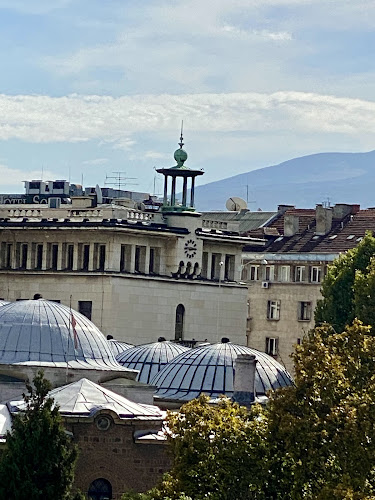
The National Archaeological Museum, located in the heart of Sofia, Bulgaria, stands as a testament to the nation's rich and diverse archaeological heritage. Housed within the historic Buyuk Mosque, also known as the Koca Mahmut Paşa Camii, the museum offers visitors a unique opportunity to explore artifacts spanning from prehistoric times to the medieval period.
Historical Background
The inception of the National Archaeological Museum traces back to the 1840s, during a period when Bulgarian intellectuals, many of whom were in exile, recognized the need to preserve and study the nation's ancient past. This vision materialized in 1892 with the establishment of the museum, which was officially inaugurated in 1905. The museum's creation was a significant milestone in Bulgaria's efforts to safeguard its cultural heritage and promote archaeological research. (en.wikipedia.org)
Architectural Significance
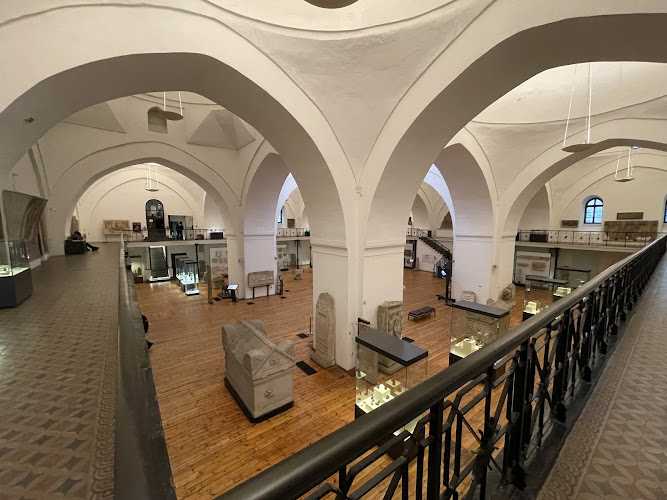
The museum's location in the Buyuk Mosque adds a profound historical and architectural dimension to its identity. Constructed between 1451 and 1494, the mosque is one of Sofia's oldest preserved buildings from the Ottoman era. Its architectural design features intricate stonework, expansive halls, and a grand dome, reflecting the grandeur of the period. Over the years, the building has undergone several expansions to accommodate the growing number of artifacts, ensuring that the museum remains a central hub for archaeological research and education. (en.wikipedia.org)
Collections and Exhibits
The museum's extensive collection spans various historical periods, offering insights into Bulgaria's diverse past. Its exhibits are meticulously curated to provide a comprehensive understanding of the region's archaeological significance.
- Prehistory Hall: Located on the lower floor of the northern wing, this hall displays a collection of items dating from between 1,600,000 BC and 1,600 BC. The collection is chronologically displayed and includes various findings from caves around Bulgaria, tools of the earliest humans who inhabited its modern territory, drawings, simple pottery, ritual items, and many others. It subdivides into an Early, Middle, and Late Paleolithic collection, Neolithic collection, Chalcolithic collection, and Bronze Age. (en.wikipedia.org)
- Treasury: Located in the eastern wing, this section displays grave inventory and other treasures from the late Bronze Age to late Antiquity. Two of the most well-known Bulgarian treasures are located here: the Valchitran and Lukovit Treasures. (en.wikipedia.org)
- Main Hall: Located on the first floor of the main building, this hall hosts a collection of diverse items ranging from ancient Thrace, Greece, and Rome to the late Middle Ages. (en.wikipedia.org)
- Medieval Section: Located on the second floor of the main building, this section includes a gallery of medieval books, woodwork, drawings, metal objects, and other items characteristic of the era. (en.wikipedia.org)
- Temporary Exhibitions: This hall, located on the second floor of the main building, hosts various temporary exhibitions, allowing visitors to experience a dynamic range of artifacts and themes.
Location