museums
National War Memorial
About this place
Discover National War Memorial
National War Memorial
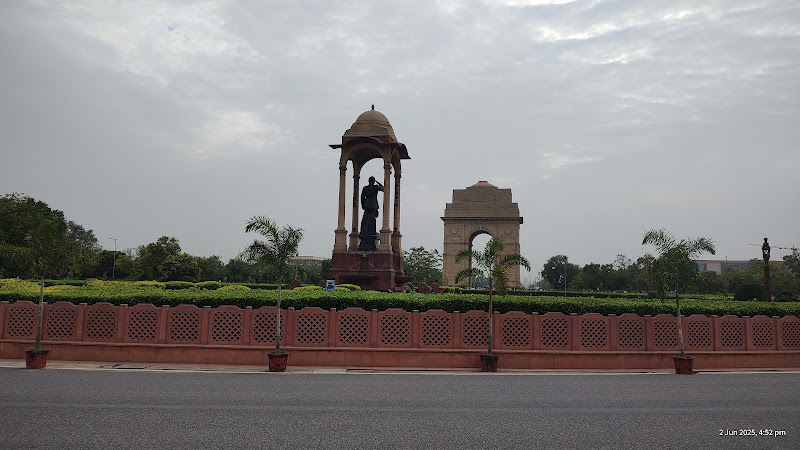
The National War Memorial, situated near the India Gate in New Delhi, stands as a poignant tribute to the valor, sacrifice, and unwavering commitment of the Indian Armed Forces. Inaugurated on February 25, 2019, by Prime Minister Narendra Modi, the memorial honors soldiers who have laid down their lives since 1947, encompassing conflicts such as the Indo-Pakistani Wars, the Sino-Indian War, the Kargil War, and various peacekeeping missions. (ddinews.gov.in)
Historical Context
The idea of a national war memorial in India had been contemplated for decades. The absence of a dedicated monument to honor the sacrifices of soldiers was felt keenly, especially after significant conflicts like the 1962 Sino-Indian War and the 1971 Indo-Pakistani War. The Amar Jawan Jyoti, established in 1972 beneath the India Gate arch, served as a temporary homage to the fallen soldiers. However, the need for a comprehensive memorial that encapsulated the sacrifices of all Indian soldiers became increasingly apparent. This vision culminated in the establishment of the National War Memorial in 2019. (ddinews.gov.in)
Architectural Design
The memorial's design is a harmonious blend of modern architecture and traditional symbolism. Spanning 40 acres, it is structured around a central obelisk, symbolizing the nation's eternal flame. The layout comprises four concentric circles, each representing a distinct aspect of the military's ethos:
- Amar Chakra (Circle of Immortality): The innermost circle features a 15-meter-high obelisk with an eternal flame, symbolizing the undying spirit of the nation. (ddinews.gov.in)
- Veerta Chakra (Circle of Bravery): This circle honors the valor of soldiers, adorned with murals depicting significant battles.
- Tyag Chakra (Circle of Sacrifice): Dedicated to the sacrifices made by the armed forces, this section includes inscriptions of the names of martyrs.
- Rakshak Chakra (Circle of Protection): The outermost circle represents the protective shield provided by the military.
The design draws inspiration from the 'Chakravuh' formation, symbolizing the military's unity and strength. (hohodelhi.com)
Bronze Murals and Sculptures
A notable feature of the memorial is the series of six bronze murals created by renowned sculptor Ram Sutar. These murals depict significant battles fought by the Army, the Air Force, and the Navy, serving as a visual narrative of India's military history. (ddinews.gov.in)
Inscriptions and Names of Martyrs
The walls of the memorial are inscribed with the names of over 25,000 soldiers who have made the ultimate sacrifice since independence. These inscriptions serve as a solemn reminder of the cost of freedom and the valor of those who have served the nation. (hohodelhi.com)
Visitor Experience
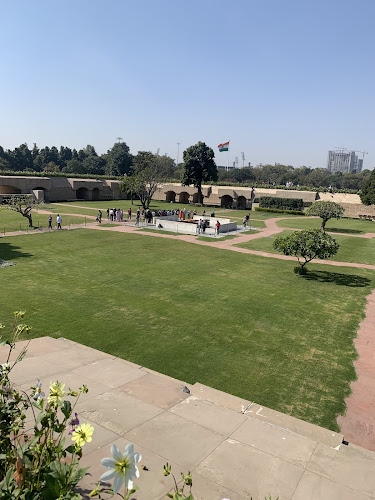
The National War Memorial offers visitors a serene environment to reflect on the sacrifices made by the armed forces. The well-maintained lawns, the central flame, and the surrounding murals provide a space for contemplation and remembrance. The memorial is open daily from 9:00 AM to 7:30 PM, with no entry fee. The nearest metro station is Central Secretariat, making it easily accessible for visitors. (holidify.com)
Cultural Significance
The establishment of the National War Memorial holds profound cultural significance. It serves as a national symbol of gratitude and respect for the armed forces, fostering a sense of unity and patriotism among citizens. The memorial also plays a crucial role in educating the public about India's military history and the sacrifices made by its soldiers. (ddinews.gov.in)
Notable Events
Since its inauguration, the National War Memorial has been the site of numerous commemorative events, including annual ceremonies on Republic Day and Independence Day. These events are attended by military personnel, government officials, and citizens, reflecting the nation's collective respect and gratitude towards its armed forces. (ddinews.gov.in)
Visitor Information
- **
Location