Housing society
Rathod falls in Taparpura (Rathod fali Taparpura)
About this place
Discover Rathod falls in Taparpura (Rathod fali Taparpura)
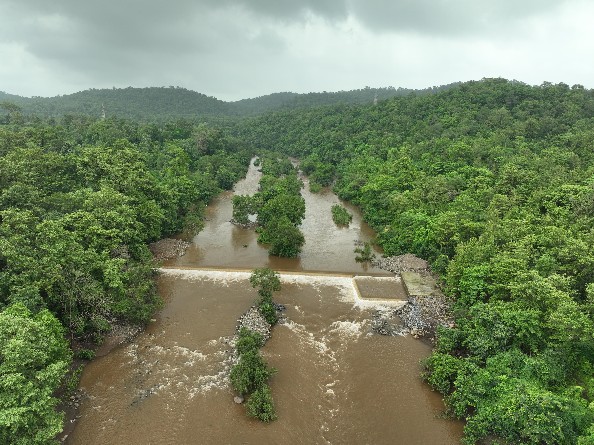
Rathod Falls, located in Taparpura, a village in the Dholka taluka of Ahmedabad district, Gujarat, is a captivating natural attraction that draws visitors seeking tranquility and a connection with nature. Situated within the postal code area 382240, Taparpura is part of the Bavla sub-district and is surrounded by several other villages, including Koth, Rupgadh, Kalyangadh, Bamsara, Gangad, Deo Dholera, Dholi, Baldana, and Kesardi. (getatoz.co)
Geographical and Climatic Features
The waterfall is nestled in a region characterized by its semi-arid climate, which makes the presence of such natural water bodies particularly significant. The area experiences hot summers and mild winters, with the monsoon season bringing much-needed rainfall that rejuvenates the landscape. The surrounding terrain is marked by arid plains and scattered vegetation, with the waterfall serving as a vital water source for both the local ecosystem and the communities residing nearby.
Accessibility and Transportation
Taparpura is accessible via the Koth Gangad and Godhaneshwar railway stations, which are in close proximity to the village. These stations connect the area to major cities and towns in Gujarat, facilitating easy travel for visitors. The village is also well-connected by road, with local buses and private vehicles providing transportation options. The nearest major city, Ahmedabad, is approximately 50 kilometers away, offering additional amenities and services for travelers.
Cultural and Educational Landscape
Taparpura is a rural community with a rich cultural heritage. The village is home to several educational institutions, including St. Joshef Primary School, D.J. Vaghela Primary School, Taparpara Primary School, Rupgadh Primary School, and Koth Kanya Shala. These schools play a crucial role in providing education to the children of Taparpura and the surrounding villages, fostering a literate and informed community. Additionally, the region has a primary health center and various sub-centers that serve the local population, ensuring access to essential healthcare services. (onefivenine.com)
Economic Activities and Industries
The surrounding area is known for its agricultural activities, with the Central Agriculture Market Yard in Dholka serving as a hub for farmers to auction their products. The presence of dairy cooperatives and cold storage facilities indicates a thriving dairy industry, which contributes significantly to the local economy. The region also has a significant jewelry market, with artisans and traders specializing in traditional Gujarati jewelry, adding to the cultural richness and economic diversity of the area. (en.wikipedia.org)
Historical Significance
While specific historical records about Rathod Falls are limited, the region's history is intertwined with the broader historical context of Gujarat. The area has witnessed various dynasties and rulers, each leaving their mark on the culture and architecture of the region. The presence of ancient temples and step-wells in the vicinity reflects the rich architectural heritage and the importance of water conservation in the arid landscape.
Cultural Significance
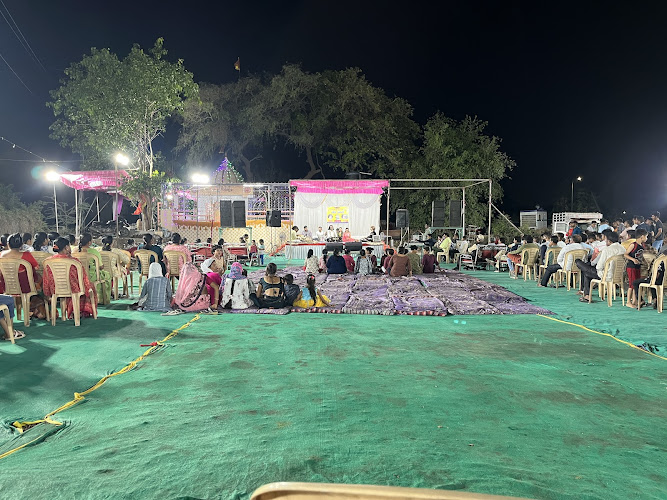
The waterfall holds cultural significance for the local communities, serving as a gathering place and a source of inspiration for local folklore and traditions. The surrounding villages celebrate various festivals, including Navratri and Diwali, with traditional music, dance, and rituals that reflect the vibrant cultural tapestry of Gujarat. Visitors can experience these festivals firsthand, gaining insight into the customs and traditions that define the region.
Visitor Information
Visitors to Rathod Falls can enjoy the natural beauty of the area, which offers a serene environment away from the hustle and bustle of city life. The waterfall provides an excellent spot for nature enthusiasts and photographers to capture the essence of Gujarat's rural landscapes. The nearby villages offer a glimpse into traditional Gujarati culture, with opportunities to experience local cuisine, crafts, and festivals.
Conservation Efforts
Given the semi-arid climate of the region, water conservation is crucial. Local authorities and communities have implemented various measures
Location