About this place
Discover Mindhola river
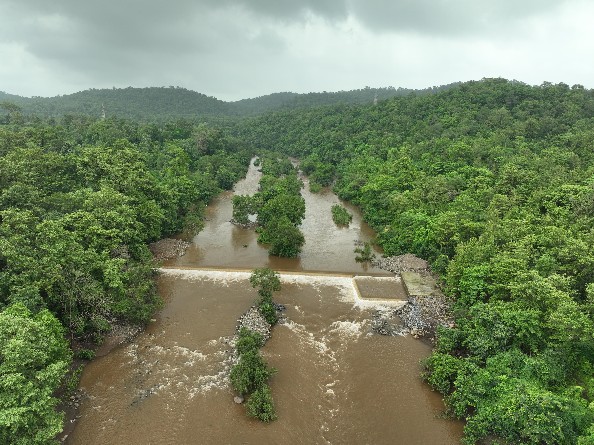
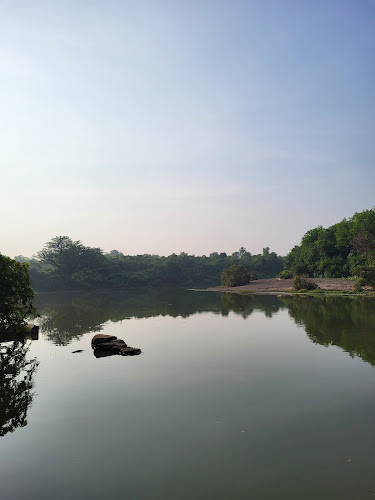
The Mindhola River, a prominent west-flowing river in Gujarat, India, holds both geographical and cultural significance. Originating near Doswada in the Songadh taluka, the river meanders through the Surat district, covering a distance of approximately 105 kilometers before emptying into the Arabian Sea near Danti. The river's basin encompasses a catchment area of about 1,518 square kilometers, highlighting its substantial role in the region's hydrology. (en.wikipedia.org)
Geographical Features and Hydrology
The Mindhola River is characterized by its winding course, featuring numerous meanders that contribute to its unique landscape. These meanders not only enhance the river's aesthetic appeal but also play a role in the local ecosystem by creating diverse habitats for various species. The river's flow is influenced by the monsoon patterns, with water levels rising significantly during the rainy season, which can lead to flooding in certain areas. Conversely, during the dry season, the river's flow diminishes, affecting water availability for agriculture and daily use.
Cultural and Historical Significance
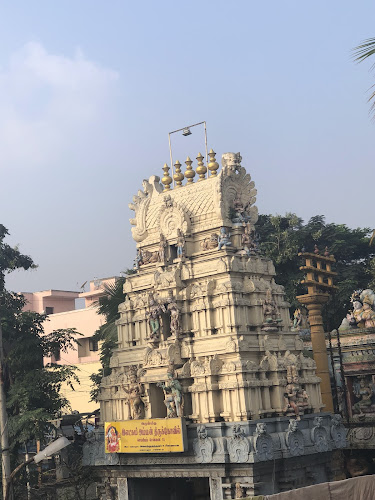
In the vicinity of the river lies the Kedareshwar Mahadev Temple in Khali village, Surat district. This ancient Shiva temple, with a history spanning over 700 years, is situated on the banks of the Mindhola River. Devotees believe the Swayambhu Shiva Lingam enshrined here is imbued with divine presence. Local lore suggests that Chhatrapati Shivaji Maharaj visited this temple during his campaigns in Surat to seek Lord Shiva’s blessings. A statue of Mahatma Gandhi has also been installed in the temple’s vicinity to commemorate the immersion of his ashes in Bardoli. (pilgrimdata.in)
Ecological Importance
The Mindhola River's role extends beyond its geographical and cultural significance; it also plays a crucial role in the local ecosystem, supporting diverse flora and fauna. The river's waters are integral to the livelihoods of the communities residing along its banks, providing essential resources for daily life and economic activities. The surrounding areas are rich in biodiversity, with various species of fish, birds, and other wildlife relying on the river's ecosystem. Conservation efforts are ongoing to preserve the river's health and ensure the sustainability of its resources for future generations.
Economic and Social Impact
The Mindhola River has been a vital water source for the surrounding regions, supporting agriculture, local communities, and wildlife. The fertile lands along its banks are utilized for cultivating a variety of crops, contributing to the local economy. Additionally, the river serves as a source of water for domestic use and small-scale industries. The presence of the Kedareshwar Mahadev Temple also attracts pilgrims and tourists, providing economic benefits to the local community through tourism-related activities.
Challenges and Conservation Efforts
Despite its importance, the Mindhola River faces challenges such as pollution, encroachment, and the impacts of climate change. Industrial activities and agricultural runoff have led to water contamination, affecting both the quality of water and the health of aquatic life. Efforts are being made by local authorities and environmental organizations to address these issues through awareness programs, stricter regulations, and community involvement in conservation initiatives. Sustainable practices are being promoted to ensure that the river continues to serve the needs of the community without compromising its ecological integrity.
Conclusion
The Mindhola River stands as a testament to the intricate relationship between nature and human civilization. Its winding course, cultural landmarks, and ecological significance underscore its importance in the Surat district of Gujarat. Preserving the health of the Mindhola River is essential for maintaining the well-being of the communities that depend on it and for sustaining the rich biodiversity that thrives within its waters.
Location