Hindu temple
Vadjai Temple Potphode Vasti
About this place
Discover Vadjai Temple Potphode Vasti
Vadjai Temple Potphode Vasti
Vadjai Temple, situated in Potphode Vasti, Khanote, Maharashtra, stands as a testament to the rich cultural and religious heritage of rural India. This sacred site is dedicated to Lord Vadjai, a deity revered by the local community for centuries. The temple's location in the Pune district, within the Daund sub-district, places it in the heart of a region steeped in history and tradition. The area is identified by the 413105 PIN code, encompassing several villages, including Khanote, Kalas, and Watluj, each contributing to the region's unique cultural tapestry.
Historical Background
The origins of Vadjai Temple trace back to ancient times, with local legends narrating the deity's miraculous interventions in the lives of the villagers. Over the centuries, the temple has undergone various phases of construction and renovation, reflecting the evolving architectural styles and religious practices of the era. Historical records indicate that the temple has been a focal point for community gatherings, festivals, and social events, serving as a beacon of spiritual and cultural life in the region.
Architectural Significance
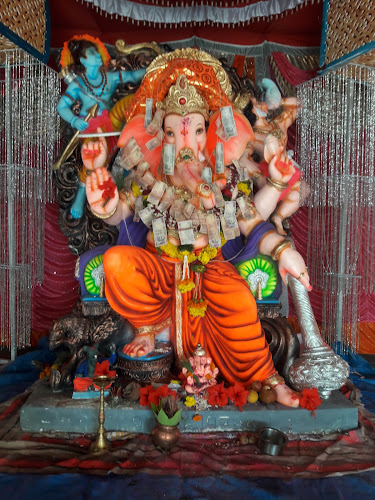
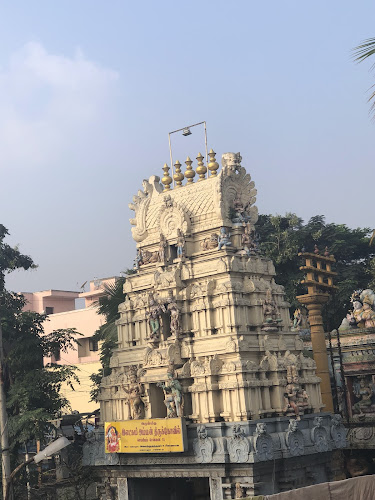
Architecturally, Vadjai Temple embodies traditional Maharashtrian temple design. The structure is characterized by intricately carved wooden doors, stone pillars, and a sanctum sanctorum that houses the idol of Lord Vadjai. The temple's design incorporates elements that are both functional and symbolic, with each architectural feature serving a specific purpose in the temple's spiritual and cultural practices. The surrounding courtyard is adorned with sculptures depicting various deities and mythological scenes, offering visitors a visual narrative of Hindu mythology and artistry.
Cultural and Social Importance
Beyond its architectural beauty, Vadjai Temple plays a pivotal role in the social and cultural life of the community. It serves as a center for religious education, where children and adults alike learn about Hindu scriptures, rituals, and traditions. The temple's priests conduct regular prayers, rituals, and ceremonies, ensuring the continuity of religious practices and fostering a sense of spiritual unity among the villagers. Community events, such as weddings, festivals, and social gatherings, are often held within the temple premises, reinforcing its status as a communal hub.
Festivals and Celebrations
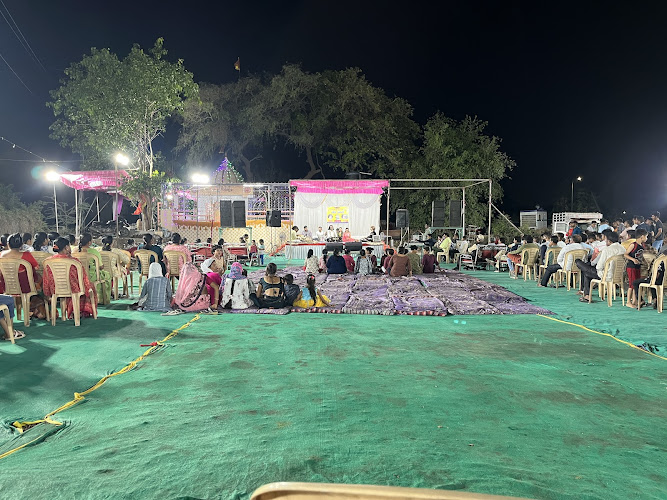
The temple is renowned for its vibrant festivals, which draw devotees from neighboring villages and towns. Annual celebrations dedicated to Lord Vadjai are marked by traditional music, dance performances, and communal feasts. These events not only honor the deity but also celebrate the rich cultural heritage of the region. The festivals are characterized by a sense of unity and joy, with villagers coming together to participate in rituals, share meals, and engage in cultural performances. The temple's role in these celebrations underscores its significance as a cultural and spiritual epicenter.
Community Development and Education
In addition to its religious functions, Vadjai Temple is actively involved in community development and educational initiatives. The temple organizes workshops, seminars, and training programs aimed at enhancing the skills and knowledge of the local population. These programs cover a range of topics, including agriculture, health, education, and social welfare, reflecting the temple's commitment to the holistic development of the community. The temple also runs a small school within its premises, providing education to children who might otherwise have limited access to formal schooling.
Agricultural Practices and Economy
The region surrounding Vadjai Temple is predominantly agricultural, with fertile lands supporting the cultivation of crops such as sugarcane, wheat, and various vegetables. The temple's influence extends to agricultural practices, with priests and community leaders often providing guidance on sustainable farming techniques and crop management. The temple also acts as a marketplace during harvest seasons, where farmers sell their produce, and villagers gather to purchase fresh goods. This economic activity not only supports the local economy but also strengthens the social bonds within the community.
Visitor Experience
Visitors to Vadjai Temple are welcomed with warmth and hospitality, offering a glimpse into the traditional lifestyle of rural Maharashtra. The temple's serene ambiance provides a peaceful retreat
Location