About this place
Discover Sachin Jagtap
Mandaki Village
Mandaki is a picturesque village nestled in the Purandhar Sub-Division of Pune district, Maharashtra, India. As per the 2011 Census, the village boasts a population of 3,678 residents, comprising 1,862 males and 1,816 females. The literacy rate is commendable, standing at 71.5%, with male literacy at 79.7% and female literacy at 63%. (villageinfo.in)
Geographical Location and Administrative Details
Mandaki is strategically located approximately 40 km from Sasvad and about 70 km from Pune district headquarters. The nearest town, Jejuri, is situated about 15 km away. The village spans a geographical area of 1,835.75 hectares and functions as a Gram Panchayat, serving as the administrative center for the surrounding rural areas. (villageinfo.in)
Demographics and Population
The 2011 Census data reveals that Mandaki has a total population of 3,678 individuals, with a near-equal gender distribution. The village has 764 households, indicating an average family size of approximately four members. The literacy rate of 71.5% reflects the community's emphasis on education, with male literacy at 79.7% and female literacy at 63%. (villageinfo.in)
Cultural and Linguistic Aspects
Marathi is the predominant language spoken in Mandaki, reflecting the state's rich cultural heritage. Additionally, Hindi, Kannada, and Marwari are also spoken, showcasing the village's cultural diversity and the influence of neighboring regions. (villageinfo.in)
Agriculture and Economy
Agriculture forms the backbone of Mandaki's economy, with a significant portion of the land dedicated to sugarcane cultivation. The fertile soil and favorable climate conditions contribute to the successful farming practices in the region. The village's agrarian lifestyle is deeply intertwined with its cultural and social fabric, with farming activities influencing daily routines and community events.
Governance and Political Representation
Mandaki operates under the Panchayati Raj system, with a Sarpanch serving as the elected head of the village. This system ensures decentralized governance, allowing for local self-administration and community participation in decision-making processes. Politically, Mandaki falls under the Purandar Assembly and Baramati Lok Sabha constituencies, with representatives working to address the needs and concerns of the village and its residents. (villageinfo.in)
Connectivity and Infrastructure
The village is well-connected by road, facilitating easy access to neighboring towns and cities. The nearest railway station is Nira, located about 9 km west of Mandaki on the Nira-Veer State highway. This connectivity enhances trade, education, and healthcare opportunities for the residents. The presence of basic infrastructure, including electricity and communication facilities, supports the daily lives of the villagers. (villageinfo.in)
Educational Facilities
Mandaki places a strong emphasis on education, with a primary school available within the village. The literacy rate of 71.5% reflects the community's commitment to learning and personal development. The presence of educational institutions within or near the village ensures that children have access to quality education without the need for extensive travel. (villageinfo.in)
Healthcare and Amenities
While specific details about healthcare facilities in Mandaki are limited, the village's proximity to towns like Jejuri and Nira ensures access to medical services. Residents can avail themselves of healthcare facilities in these towns, which are equipped to handle a range of medical needs. The community's close-knit nature fosters a supportive environment, with neighbors often assisting each other in times of need.
Cultural Significance and Community Life
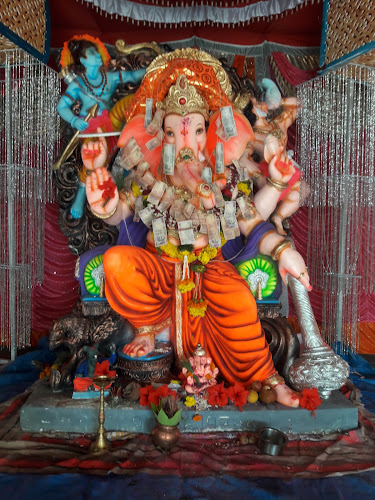
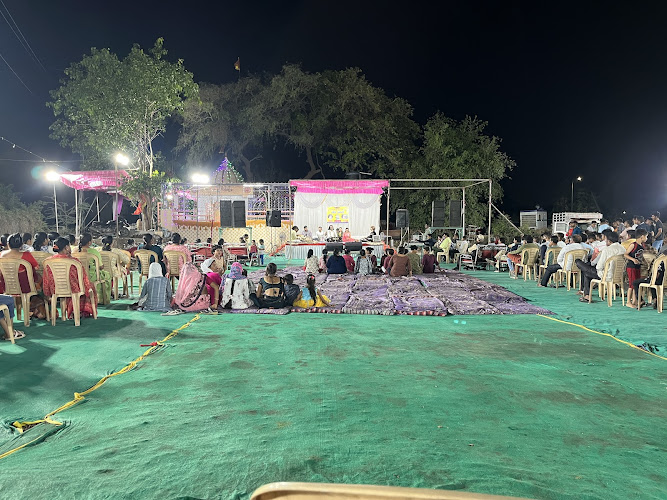
Mandaki's cultural landscape is rich and diverse, with festivals and traditions playing a pivotal role in community life. The village celebrates various Marathi festivals with enthusiasm, including Ganesh Chaturthi, Diwali, and Gudi Padwa. These festivals are marked by traditional music, dance, and communal gatherings, strengthening the bonds among residents. The village's agricultural practices also influence its cultural events, with harvest
Location