About this place
Discover Mundru Fort
Mundru Fort
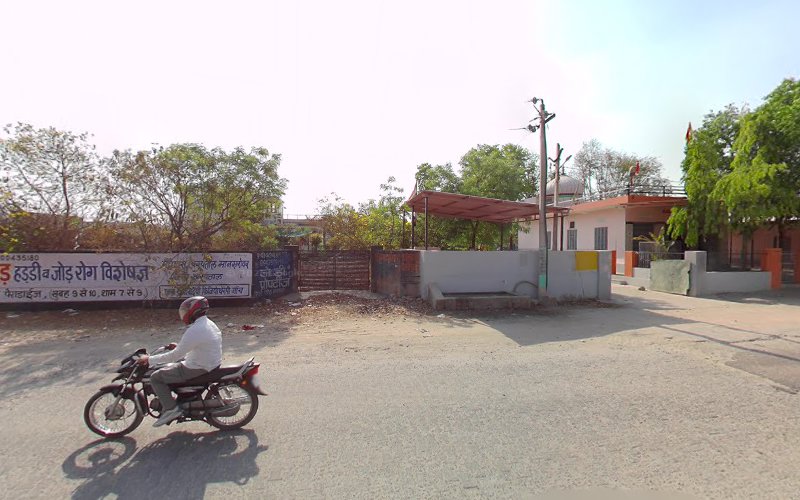
Mundru Fort, situated in the Sikar district of Rajasthan, India, is a historic fortification that embodies the region's rich cultural and architectural heritage. Located in the village of Mundru, approximately 10 kilometers from Sri Madhopur city and about 55 kilometers from Jaipur, the fort occupies a unique position atop a single rock hillock. This strategic location is surrounded by a round lake formed by two rivers, enhancing its defensive capabilities and providing a picturesque setting.
Historical Background
The origins of Mundru Fort trace back to 1621 AD when Raja Hridayram, a descendant of the Khandela dynasty, established the fort. The Khandela dynasty, known for its valor and strategic acumen, had a significant influence in the region. Raja Hridayram's decision to build the fort in Mundru was influenced by the area's unique geographical features, which offered natural fortifications. The fort was constructed on a gem-like mountain made of a single rock, surrounded by a round lake formed by two rivers. This distinctive setting led to the name "Mundru," derived from "Mudrika" or "Mundri," meaning 'a ring' in Sanskrit, symbolizing the fort's encirclement by water.
The fort's establishment marked a significant chapter in the history of the Khandela dynasty. After being ousted from Khandela, the grandsons of Princess Kisnavati of Khandela sought new territories. They initially established themselves at Ranoli Fort, which was soon usurped, and finally settled in the village of Mundru in 1621 AD. The fort became the center of their estate, which spanned over 52,000 acres, extending up to Mehrauli. This expansion underscored the strategic importance of Mundru Fort in the region.
Architectural Features
Mundru Fort is renowned for its unique architectural design, which harmoniously blends with the natural landscape. The fort is built atop a single rock hillock, providing a commanding view of the surrounding area and serving as a formidable defense mechanism. The fort's construction on a single rock hillock not only showcases the architectural ingenuity of its builders but also reflects the utilization of natural resources to enhance the fort's strength and durability.
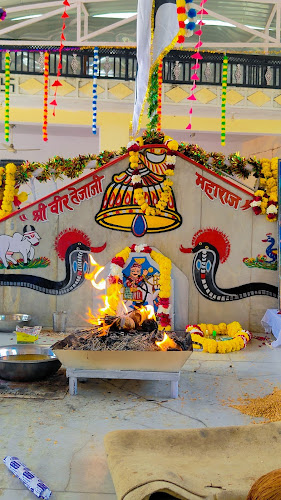
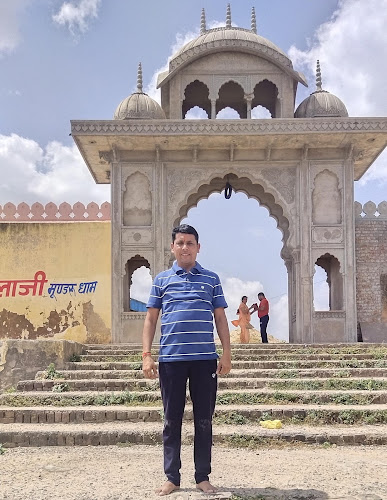
Within the fort complex, the ancient temple of Lord Hanuman, known as Balaji Dungari, stands as a testament to the spiritual significance of the site. This temple is the family deity of the rulers and holds a central place in the cultural and religious life of the community. The presence of the temple within the fort's premises highlights the integration of religious and defensive structures, a common feature in Rajput architecture.
Cultural Significance
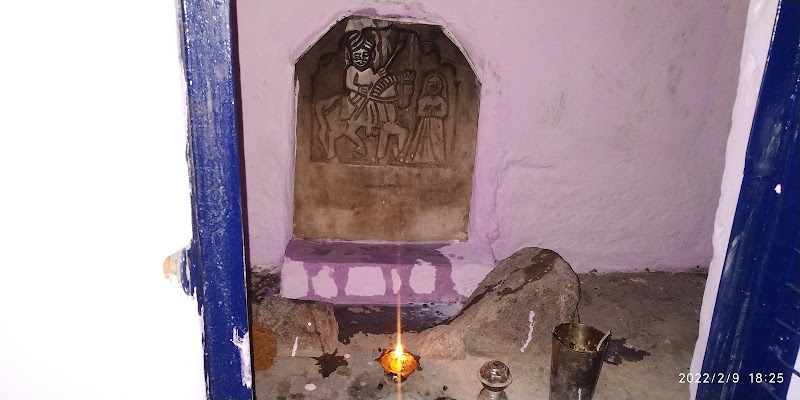
The cultural landscape of Mundru is enriched by its numerous temples, each with its unique history and architectural style. The village is home to around 16 temples, including Shri Khalda Balaji Mandir, Doongari ka Balaji Mandir, Shyaam Mandir, Bihaari Ji Mandir, Jaanki Nath Ji Mandir, Gopal Ji Mandir, Jaalpaali Mandir, Narsingh Ji Mandir, Dabar ka Balaji Mandir, Sitaram Ji Mandir, Ram Dev Ji Mandir, Radha Krishna Mandir, Nirban Rani Sa (Sati Mata) Ka Mandir, and Khadali Wala Balaji Ka Mandir. Each temple serves as a focal point for the community, offering spaces for worship, social gatherings, and cultural events.
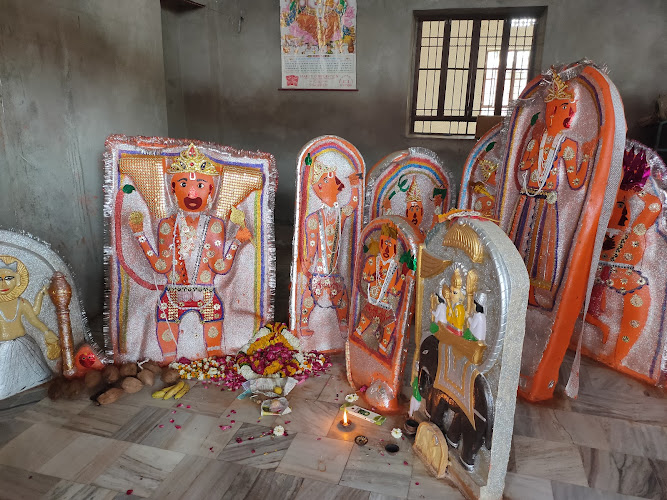
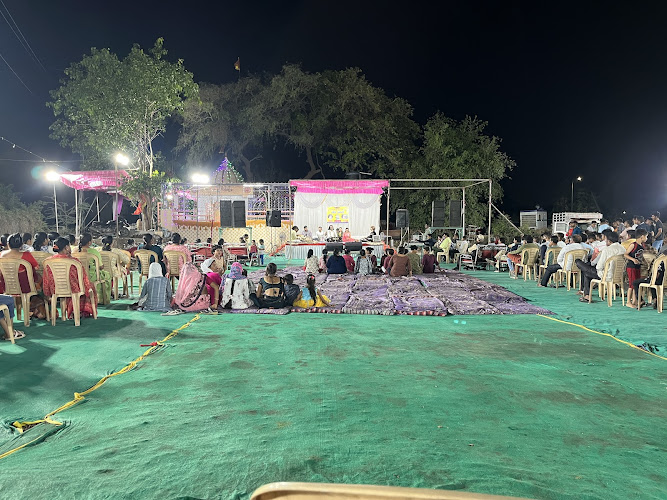
The Narsingh Leela festival, celebrated in the month of Vaishak (spring), is a significant cultural event in Mundru. During this festival, all 24 incarnations of Lord Vishnu are depicted, showcasing the village's vibrant cultural traditions. The festival features miniature representations of a village made of clay, where human figures are represented by dolls dressed in traditional attire. The tableaux include depictions of Palki (cradle), Lord Hanuman, Lord Brahma, Narad Muni, Lord Indra
Location