Hindu temple
Sai Baba Temple (Sai Baba Mandir)
About this place
Discover Sai Baba Temple (Sai Baba Mandir)
Sai Baba Temple, Jaipur
The Sai Baba Temple in Jaipur, Rajasthan, stands as a testament to the enduring legacy of Sai Baba of Shirdi, a spiritual luminary whose teachings of love, compassion, and unity continue to inspire millions worldwide. This temple, located in the Mansarovar area of Jaipur, serves as a beacon of spiritual solace and community gathering for devotees from diverse backgrounds.
Historical Background
Sai Baba of Shirdi, who lived from approximately 1838 to 1918, was a mystic and spiritual master revered by both Hindu and Muslim communities. His teachings emphasized the oneness of God, the importance of faith (Shraddha) and patience (Saburi), and the need to transcend religious and social divisions. Sai Baba's life and teachings have inspired numerous temples dedicated to his memory across India and abroad.
The Sai Baba Temple in Jaipur was established by the Shri Chunilal Bakhtawar Mehta Charitable Trust, Mumbai. The temple features a 5.5-foot-tall white marble statue of Sai Baba, crafted by the renowned sculptor Bharadwaj of Jaipur. (tripopola.com) This statue is a replica of the original idol from Shirdi, bringing a piece of the revered saint's presence to the people of Jaipur.
Architectural Significance
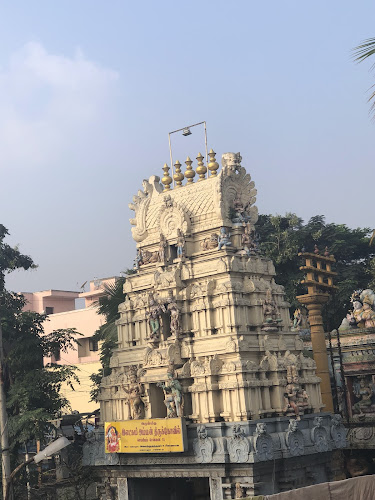
The temple's architecture is a harmonious blend of traditional Rajasthani design and elements inspired by the original Shirdi temple. The structure is adorned with intricate silver ornamental work, reflecting the rich cultural heritage of Rajasthan. The temple's design aims to create an environment conducive to meditation and contemplation, allowing devotees to connect with Sai Baba on a deeper level. (tripopola.com)
Cultural and Religious Importance
The Sai Baba Temple in Jaipur serves as a sanctuary for devotees seeking spiritual solace and is known for its serene ambiance, making it a significant landmark in Jaipur's religious landscape. It stands as a beacon of spiritual solace and community gathering for devotees from diverse backgrounds. The temple's inclusive environment reflects Sai Baba's teachings of unity and harmony among all people, regardless of their faith or background.
Visitor Information
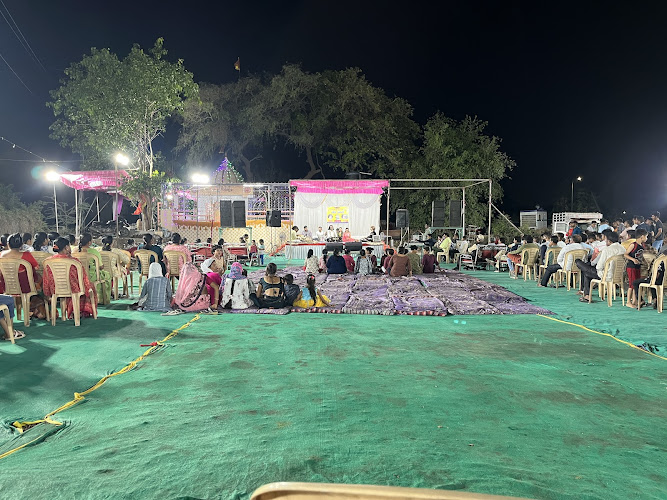
The temple is open 24 hours, allowing devotees to visit at their convenience. Visitors can engage in daily prayers, participate in aarti ceremonies, and receive blessings from the sacred idol. The temple also serves as a center for spiritual and social activities, housing a meditation hall where devotees can deeply contemplate and introspect. Regular discourses and spiritual gatherings are organized, providing a platform for disseminating Sai Baba's teachings and principles of love, compassion, and selfless service. (tripopola.com)
Conclusion
The Sai Baba Temple in Jaipur is more than just a place of worship; it is a vibrant center of spiritual learning and community engagement. Its rich history, architectural beauty, and cultural significance make it a must-visit destination for those seeking to connect with the teachings of Sai Baba and experience the spiritual heritage of Rajasthan.
Location