Hindu temple
Sri Sengeni Amman Temple

About this place
Discover Sri Sengeni Amman Temple
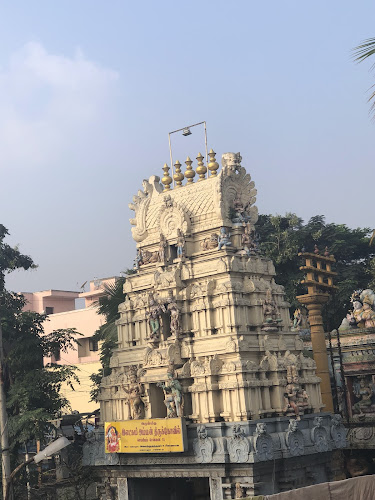
Sri Sengeni Amman Temple, situated in the heart of Tondiarpet, Chennai, stands as a testament to the city's rich cultural and religious heritage. Dedicated to Goddess Sengeni Amman, a revered form of the divine feminine energy, the temple has been a focal point for devotees and visitors alike.
Historical Significance
The origins of Sri Sengeni Amman Temple are deeply rooted in the annals of Chennai's history. While exact records are scarce, local legends and oral traditions suggest that the temple was established several centuries ago, serving as a spiritual center for the community. Over the years, it has witnessed numerous historical events, reflecting the evolving socio-cultural landscape of the region.
Architectural Marvel
The temple's architecture is a classic example of Dravidian style, characterized by its grandeur and intricate detailing. The towering gopuram, adorned with sculptures of various deities and mythological figures, serves as the temple's main entrance, welcoming devotees with its majestic presence. Inside, the sanctum sanctorum houses the idol of Sengeni Amman, meticulously crafted and adorned with vibrant garlands and offerings. The temple's walls are embellished with carvings depicting scenes from Hindu mythology, narrating tales of valor, devotion, and divine intervention.
Cultural and Religious Practices
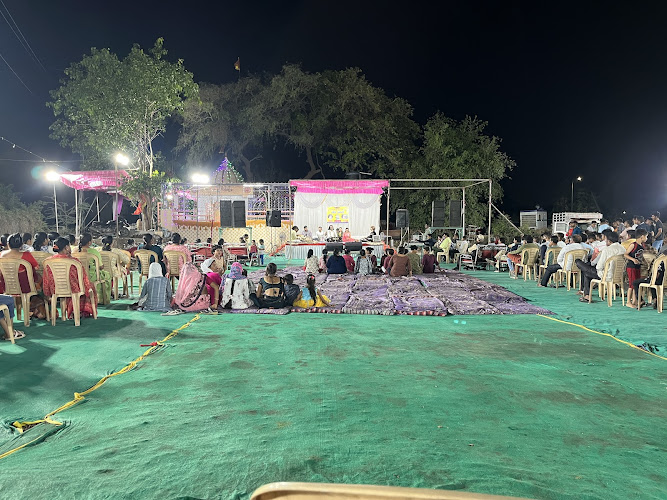
Sri Sengeni Amman Temple is not just a place of worship but also a hub for cultural and religious activities. The temple hosts several festivals throughout the year, with the annual festival being the most prominent. During this time, the temple comes alive with traditional music, dance performances, and processions, reflecting the community's deep-rooted devotion and cultural expressions. Devotees from various parts of Chennai and beyond gather to participate in these festivities, seeking the goddess's blessings and celebrating their shared heritage.
Community Engagement
Beyond its religious significance, the temple plays a pivotal role in community engagement. It serves as a gathering place for locals, fostering a sense of unity and belonging. The temple's management often organizes educational and social programs, aiming to uplift and support the community. Initiatives such as free medical camps, educational workshops, and cultural exchange programs are regularly conducted, reflecting the temple's commitment to societal well-being.
Visitor Experience
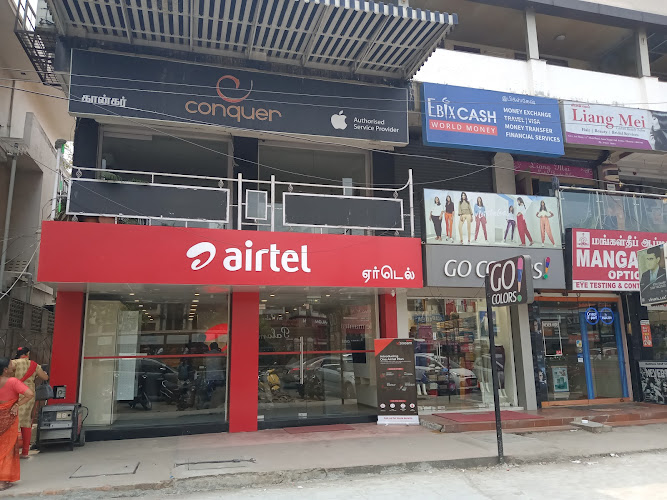
For visitors, Sri Sengeni Amman Temple offers a serene and spiritual experience. The temple's ambiance provides a peaceful retreat from the city's hustle and bustle, allowing individuals to connect with their spiritual selves. The surrounding area of Tondiarpet is known for its bustling markets, offering a variety of local handicrafts, textiles, and street food, providing a comprehensive cultural experience. Visitors can explore the narrow lanes lined with shops selling traditional items, savor local delicacies, and immerse themselves in the vibrant street life that characterizes Chennai.
Accessibility
Strategically located, the temple is easily accessible by various modes of transportation. The nearest bus stops and metro stations are within walking distance, making it convenient for both locals and tourists to visit. The temple's proximity to other significant landmarks in Chennai, such as the Marina Beach and Fort St. George, makes it an ideal spot for those looking to explore the city's rich history and culture.
Preservation Efforts
In recent years, there has been a concerted effort to preserve and restore the temple's architectural elements. Collaborations with conservationists and historians have led to the meticulous restoration of sculptures and paintings, ensuring that the temple's historical essence is maintained for future generations. These efforts also aim to enhance the temple's structural integrity, ensuring its longevity and continued service to the community.
Interfaith Relations
Sri Sengeni Amman Temple stands as a symbol of Chennai's pluralistic society. The temple's open-door policy welcomes individuals from all faiths and backgrounds, promoting interfaith dialogue and understanding. This inclusivity reflects the city's ethos of harmony and mutual respect, where diverse religious practices coexist peacefully.
Educational Initiatives
The temple's management has also initiated educational programs aimed at imparting knowledge about Hindu philosophy, rituals, and cultural practices. These programs are designed for all age groups, from children to adults, fostering a deeper understanding and appreciation of the rich traditions associated with the temple. Workshops on traditional music, dance, and arts are regularly conducted, encouraging the younger generation to connect with their cultural roots.
Environmental Sustainability
In line with global sustainability efforts, the temple has adopted eco-friendly practices. Rainwater harvesting systems have been installed to conserve water, and solar panels have been set up to generate renewable energy. The temple's management also promotes the use of biodegradable materials during festivals, reducing environmental impact and setting an example for the community.
Future Prospects
Looking ahead, Sri Sengeni Amman Temple aims to expand its outreach programs
Location