Mosque
Rajendra Nagar Muhammedia Mosque (Rajendra Nagar Muhammedia Masjid)
About this place
Discover Rajendra Nagar Muhammedia Mosque (Rajendra Nagar Muhammedia Masjid)
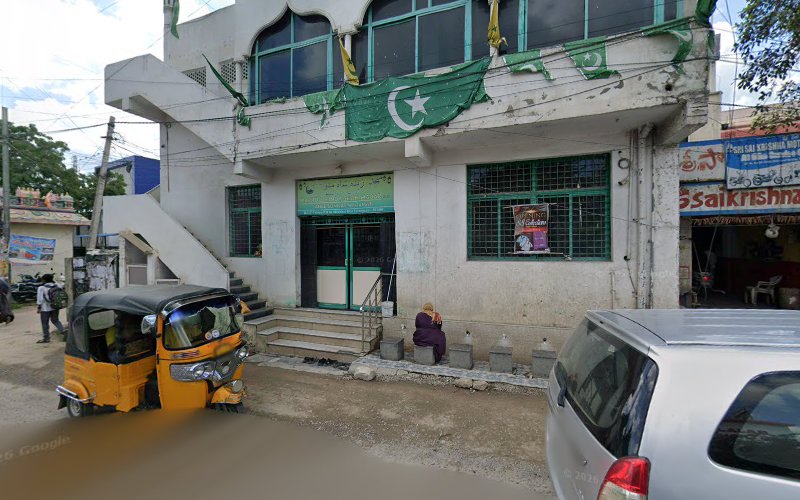
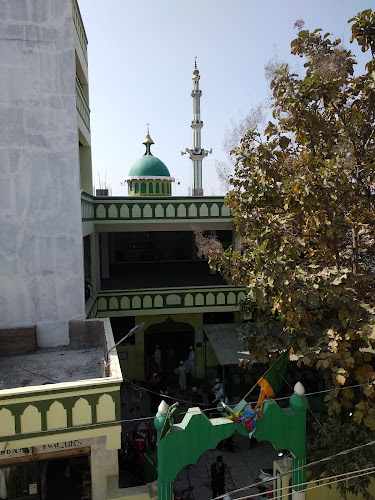
The Rajendra Nagar Muhammedia Mosque, situated in the vibrant city of Hyderabad, Telangana, stands as a testament to the city's rich Islamic heritage and architectural brilliance. Located in the bustling Rajendra Nagar area, the mosque serves as a central place of worship and community gathering for the local Muslim population.
Historical Context
Hyderabad, established in 1591 by Muhammad Quli Qutb Shah, has long been a melting pot of cultures, religions, and architectural styles. The city's Islamic architecture is renowned for its grandeur and intricacy, with structures like the Jama Masjid and Makkah Masjid serving as prime examples of the Qutb Shahi and Mughal architectural influences. While the Rajendra Nagar Muhammedia Mosque may not possess the same historical prominence as these monumental edifices, it plays a crucial role in the spiritual and cultural life of the Rajendra Nagar community.
Architectural Features
The mosque's design reflects the traditional Islamic architectural elements characteristic of Hyderabad's mosques. The façade is adorned with elegant arches and minarets, showcasing the intricate craftsmanship that defines the city's architectural style. The use of stucco and floral motifs adds to the aesthetic appeal, creating a serene and inviting atmosphere for worshippers and visitors alike.
Cultural Significance
Beyond its architectural beauty, the Rajendra Nagar Muhammedia Mosque holds significant cultural importance. It serves as a hub for religious activities, including daily prayers, educational programs, and community events. The mosque's role extends beyond mere worship; it is a center for social interaction, cultural exchange, and the preservation of Islamic traditions within the community.
Community Engagement
The mosque actively engages with the local community through various programs aimed at promoting education, social welfare, and interfaith dialogue. Educational initiatives, such as Quranic studies and language classes, are conducted to foster a deeper understanding of Islamic teachings among the youth. Additionally, the mosque organizes charitable activities, including food distribution and medical camps, to support the underprivileged sections of society.
Visitor Information
For those interested in exploring Hyderabad's Islamic heritage, the Rajendra Nagar Muhammedia Mosque offers a unique and enriching experience. Visitors can admire the mosque's architectural details, participate in guided tours to learn about its history and significance, and engage with the local community to gain insights into the cultural practices and traditions upheld within the mosque.
Conclusion
The Rajendra Nagar Muhammedia Mosque, though not as historically renowned as some of Hyderabad's other mosques, embodies the city's rich Islamic heritage and continues to serve as a vital center for worship, community engagement, and cultural preservation. Its architectural elegance and active role in the community make it a noteworthy landmark in Hyderabad's diverse religious landscape.
Location