Hindu temple
Kali temple, Baba Boro Thakurer temple, Maa Monosar temple, Gopal Thakurer temple (Kali mandir, Baba Boro thakurer mondir, Maa Monosar mondir, Gopal thakurer mondir)
About this place
Discover Kali temple, Baba Boro Thakurer temple, Maa Monosar temple, Gopal Thakurer temple (Kali mandir, Baba Boro thakurer mondir, Maa Monosar mondir, Gopal thakurer mondir)
Kali Temple, Dakshin Gouripur, West Bengal
The Kali Temple in Dakshin Gouripur, West Bengal, is a significant Hindu shrine dedicated to Goddess Kali, the embodiment of power, destruction, and liberation. Situated in the village of Dakshin Gouripur, the temple serves as a spiritual center for the local community and visitors alike, offering a place of worship, reflection, and cultural heritage.
Historical Background
While specific historical records about the establishment of the Kali Temple in Dakshin Gouripur are limited, the region's rich tradition of Kali worship provides context. Kali, a principal deity in Bengal, is revered in various forms across the state. Temples dedicated to her, such as the Dakshineswar Kali Temple in Kolkata and the Basirhat Dakshina Kali Temple in North 24 Parganas, have long been centers of spiritual and cultural significance. These temples have played pivotal roles in the religious landscape of Bengal, influencing local traditions, rituals, and community life.
Architectural Significance
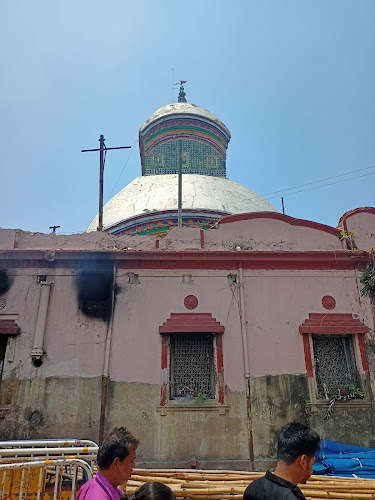
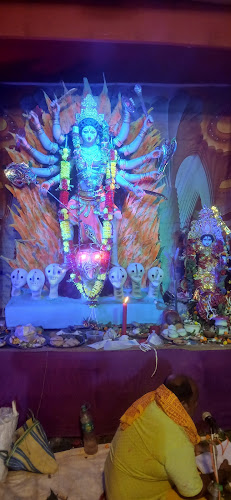
The Kali Temple in Dakshin Gouripur reflects traditional Bengali temple architecture, characterized by a high platform, curved roofs, and decorative terracotta panels. The sanctum sanctorum houses the idol of Goddess Kali in her Dakshina Kali form, depicted with her right foot forward, standing on Lord Shiva. This posture symbolizes grace and awakened consciousness, with the deity adorned with garlands, flowers, ornaments, and sacred symbols, creating a serene yet powerful spiritual atmosphere.
The temple complex includes a large courtyard with rooms along the boundary walls, providing space for devotees to gather and participate in various rituals. Along the riverfront, there are twelve shrines dedicated to Lord Shiva, Kali's consort, a temple to Radha–Krishna, a bathing ghat on the river, and a shrine dedicated to Rani Rashmoni. The 'Nahabat', or "music tower," northeast and beyond the last of the Shiva temples, is where Maa Sarada spent a considerable part of her life.
Cultural and Religious Significance
The Kali Temple in Dakshin Gouripur holds profound cultural and religious significance for the local community. Kali, as a deity, embodies the forces of destruction and creation, symbolizing the cyclical nature of life and death. Worship of Kali is central to many Bengali traditions, with rituals and festivals dedicated to her playing vital roles in community life. The temple serves as a focal point for these practices, offering a space for devotees to engage in worship, seek blessings, and participate in communal activities.
Festivals and Rituals
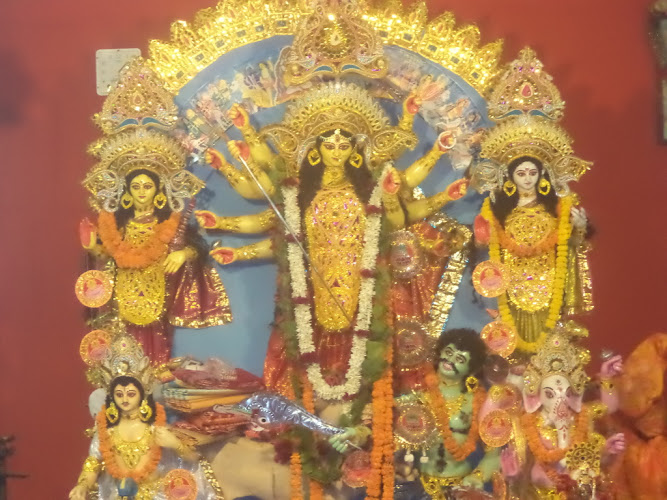
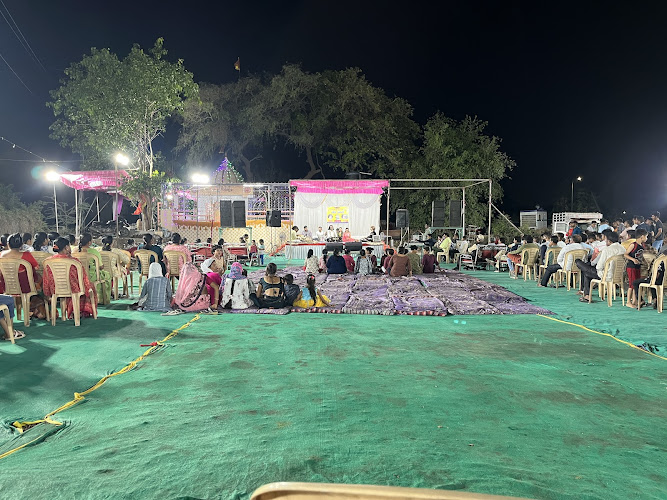
The temple observes various Hindu festivals, with Kali Puja being the most prominent. Kali Puja, also known as Shyama Puja, is celebrated with great fervor, especially during the night of the new moon in the month of Kartika (October–November). Devotees gather to offer prayers, perform rituals, and seek the goddess's blessings. The temple's proximity to the Hooghly River adds a unique dimension to the celebrations, with rituals often extending to the riverbanks.
Visitor Information
The Kali Temple in Dakshin Gouripur is open 24 hours, allowing devotees to visit at any time. Traditional and formal clothing is recommended for visitors, in keeping with the temple's sanctity. Photography is allowed, enabling visitors to capture the temple's architectural beauty and the vibrant atmosphere during festivals. Prasad (sacred offerings) is available for devotees, symbolizing the goddess's blessings.
The temple is accessible by bus, auto, e-rickshaw, and private vehicles. The nearest railway station is Basirhat railway station, well-connected to Kolkata and other major cities in West Bengal. From the station, local transportation options are available to reach the temple.
Community and Social Impact
Beyond its religious significance, the Kali Temple in Dakshin Gouripur plays a vital role in the social and cultural fabric of the community. It serves as a center for social gatherings, educational programs, and cultural events, fostering a sense of unity and shared identity among the villagers. The temple's involvement in community welfare activities,
Location