mosque
The Fourteen Infallibles Mosque (مسجد جامع چهارده معصوم)
About this place
Discover The Fourteen Infallibles Mosque (مسجد جامع چهارده معصوم)
The Fourteen Infallibles Mosque
The Fourteen Infallibles Mosque, also known as Imamzadeh Eshaq, is a significant religious and historical site located in Tehran Province, Iran. This mosque is dedicated to Imam Eshaq, a descendant of Imam Musa Kazim, who is believed to have been martyred alongside Ismail ibn Zakaria. The mosque's construction dates back to the 8th or 9th century AH, making it one of Tehran's oldest and most significant religious landmarks. (hamehchibazar.com)
Historical Background
The mosque's origins trace back to the early Islamic period in Iran, a time when the Safavid dynasty was establishing its rule. The Safavids were known for their promotion of Shia Islam, and many religious structures from this era reflect the dynasty's architectural and cultural influences. While specific historical records about the mosque's founding are limited, its enduring presence underscores its importance in the religious landscape of Tehran.
Architectural Features
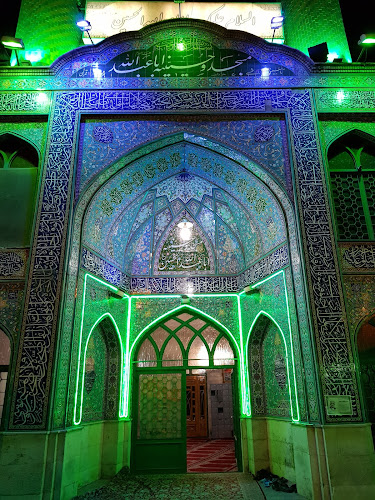
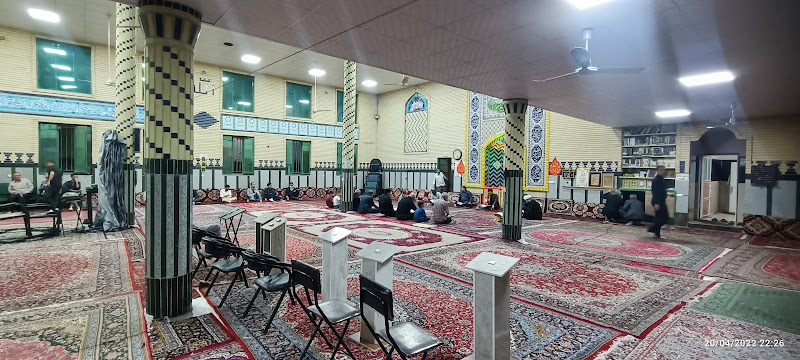
The mosque's architecture is characterized by its traditional Islamic design, featuring a domed structure and intricate tile work. The interior houses the tomb of Imam Eshaq, whose gravestone is adorned with beautiful Nastaliq script inscriptions. The shrine area is relatively modest, covering less than thirty square meters, yet it holds immense spiritual significance for visitors. (hamehchibazar.com)
The mosque's design reflects the architectural styles prevalent during its construction, incorporating elements such as a central dome, arched doorways, and decorative tile work. These features are characteristic of Islamic architecture in Iran, showcasing the artistic and cultural heritage of the period.
Cultural and Religious Significance
The mosque's name, "Fourteen Infallibles," reflects its dedication to the revered figures in Twelver Shia Islam, including the Prophet Muhammad, his daughter Fatima Zahra, and the Twelve Imams. These figures are believed to be divinely protected from error and sin, serving as spiritual guides for the Shia community. (en.wikipedia.org)
Imam Eshaq, the central figure of the mosque, is considered a significant personality in Shia Islam. His association with Imam Musa Kazim and his martyrdom alongside Ismail ibn Zakaria add to the mosque's historical and religious importance. The inscriptions on his gravestone, written in the elegant Nastaliq script, are a testament to the artistic achievements of the era.
Visitor Information
Historically, the mosque was primarily open for prayers and visitation on Thursdays, leading to large crowds of devotees. However, in recent times, it has been accessible daily, except on holidays, allowing for a more consistent flow of visitors seeking spiritual solace. (hamehchibazar.com)
Visitors to the mosque can experience a profound sense of history and spirituality, connecting with the rich Islamic heritage of the region. The site's serene environment offers a peaceful retreat for reflection and prayer, making it a cherished destination for both pilgrims and tourists interested in Iran's cultural and religious history.
Notable Events and Pilgrimages
Over the centuries, the mosque has been a focal point for numerous religious events and pilgrimages. Its significance has attracted scholars, artists, and devotees, contributing to the cultural and spiritual tapestry of Tehran. The mosque's role in the community has been multifaceted, serving as a place of worship, education, and social gathering.
Preservation and Restoration Efforts
Given its historical and cultural significance, the mosque has undergone various restoration and preservation efforts to maintain its structural integrity and aesthetic beauty. These initiatives aim to protect the mosque for future generations, ensuring that its rich history continues to inspire and educate.
Conclusion
The Fourteen Infallibles Mosque stands as a testament to Iran's rich Islamic heritage and architectural prowess. Its historical significance, architectural beauty, and spiritual importance make it a must-visit destination for those interested in exploring the depths of Iran's cultural and religious history.
Location