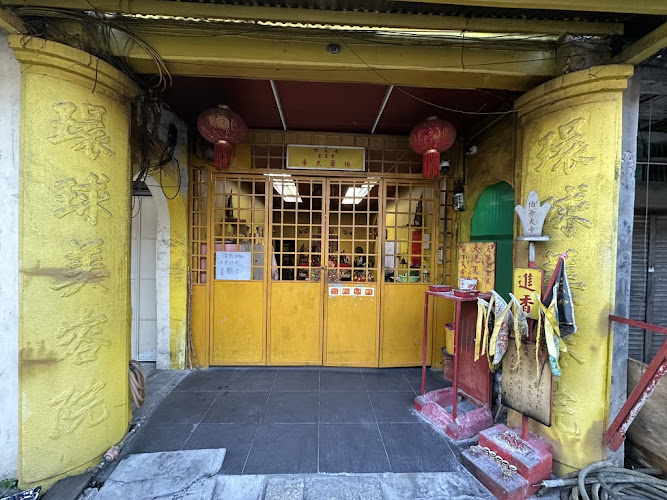
Taoist temple
Nantianmen Huangtiangong Boye Dadi (南天門皇天宮伯爺大帝)
About this place
Discover Nantianmen Huangtiangong Boye Dadi (南天門皇天宮伯爺大帝)
Situated in the vibrant city of George Town, Penang, this temple stands as a testament to the enduring faith and rich cultural heritage of the local Chinese community. Dedicated to the Jade Emperor, known as Tiangong in Taoist tradition, the temple has been a spiritual beacon for devotees for over a century. Its establishment in the early 20th century marked a significant milestone in the religious landscape of Penang, providing a dedicated space for worship and community gatherings.
Historical Background
The origins of the temple trace back to the early 1900s, a period when the Chinese community in Penang was experiencing significant growth and consolidation. As the community expanded, there was a pressing need for a central place of worship that could cater to the spiritual needs of the residents. The decision to dedicate the temple to the Jade Emperor was rooted in the deity's esteemed position within Taoist pantheon as the supreme ruler of heaven and earth. This choice underscored the community's reverence for the Jade Emperor and their desire to honor him through dedicated worship.
Architectural Significance
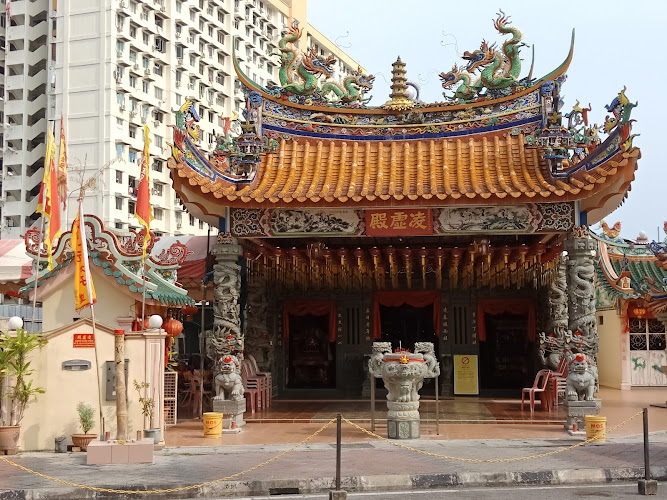
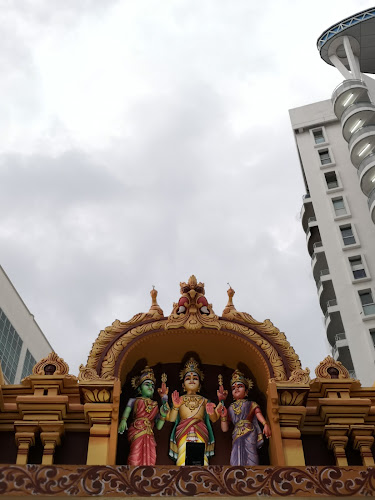
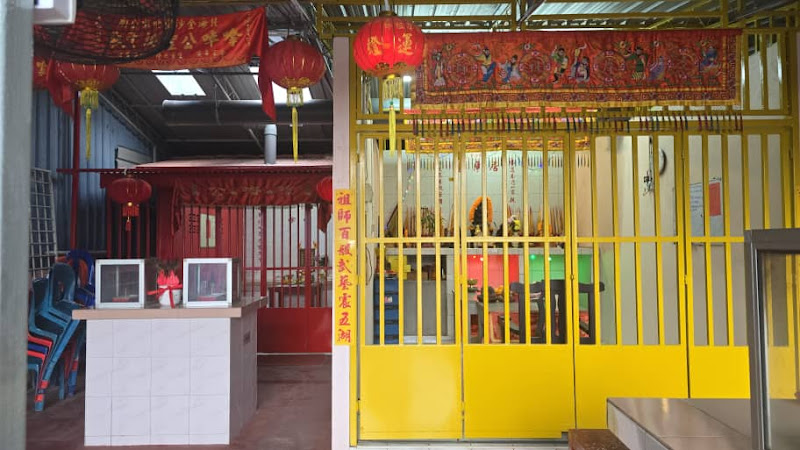
The temple's architecture is a harmonious blend of traditional Chinese design elements, meticulously crafted to reflect the cultural aesthetics of the era. The main hall, where the Jade Emperor's statue resides, is adorned with intricate carvings depicting various deities and mythological scenes, showcasing the artistic prowess of the craftsmen. The use of vibrant colors, such as red and gold, symbolizes prosperity and good fortune, aligning with the temple's purpose as a place of blessings. The surrounding courtyards are meticulously landscaped, featuring ornamental plants and decorative stones that enhance the temple's serene ambiance. The architectural design not only serves religious purposes but also acts as a cultural artifact, preserving the artistic traditions of the time.
Cultural and Religious Practices
As a focal point for the local Taoist community, the temple plays a pivotal role in the religious and cultural practices of Penang. Devotees visit regularly to offer prayers, light incense, and participate in rituals aimed at seeking blessings for health, prosperity, and happiness. The temple's priests conduct ceremonies that adhere to traditional Taoist rites, ensuring the preservation of religious customs. The temple also serves as a community hub, hosting events and gatherings that strengthen the bonds among residents.
Annual Celebrations
One of the most significant events at the temple is the annual celebration of the Jade Emperor's birthday, observed on the 9th day of the Chinese New Year. This festival attracts a large number of devotees who participate in various activities, including prayers, offerings, and cultural performances. The temple is adorned with lanterns and decorations, creating a festive atmosphere that reflects the community's joy and reverence. The celebration also features traditional music and dance, providing visitors with a rich cultural experience.
Visitor Information
The temple is open to visitors throughout the year, offering a peaceful retreat from the city's hustle and bustle. Its central location in George Town makes it easily accessible by public transport and on foot. Visitors are encouraged to dress modestly and observe the temple's customs, such as removing shoes before entering the main hall. While photography is generally permitted, it's advisable to seek permission before capturing images of the deities. The temple provides informational brochures in multiple languages, including English, to assist visitors in understanding the temple's history and significance.
Conclusion
This temple stands as a testament to the enduring faith and rich cultural heritage of Penang's Chinese community. Its historical significance, architectural beauty, and cultural vibrancy make it a must-visit destination for those interested in exploring the spiritual and cultural landscape of Penang. Whether you're a devotee seeking blessings or a visitor eager to learn about local traditions, the temple offers a welcoming and enriching experience.
Location