About this place
Discover Masjid Benjelloun
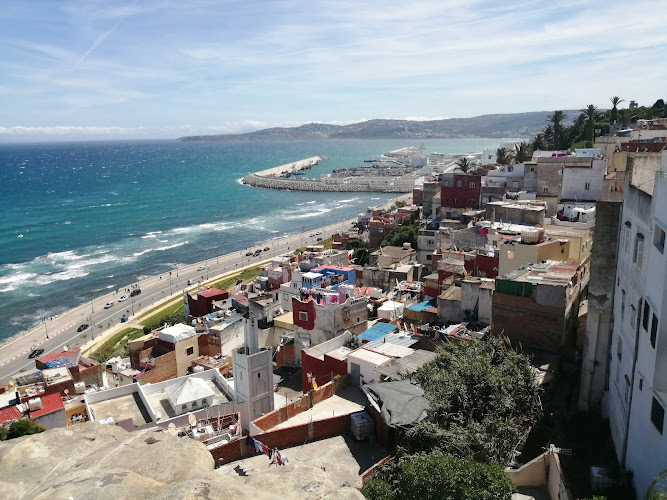
Situated in the heart of Tangier's historic medina, the Grand Mosque of Tangier stands as a testament to Morocco's rich architectural heritage and its dynamic history. This mosque, also known as the Great Mosque, has been a central place of worship and community life for centuries.
Historical Significance
The site of the Grand Mosque has a layered history, with evidence suggesting it was originally a Roman temple dedicated to Hercules, followed by a 5th-century Roman church. During the Marinid dynasty in the 13th century, a grand mosque was established here. After various foreign occupations, including the Portuguese and the English, the mosque underwent significant transformations. In 1684, following the English evacuation, Sultan Moulay Ismail ordered the conversion of the existing building into a mosque, symbolizing the city's return to Muslim rule. However, the structure was reportedly crude, leading to its complete reconstruction between 1817 and 1818 under Sultan Moulay Slimane. This reconstruction marked the beginning of the mosque's current architectural form. (en.wikipedia.org)
Architectural Features
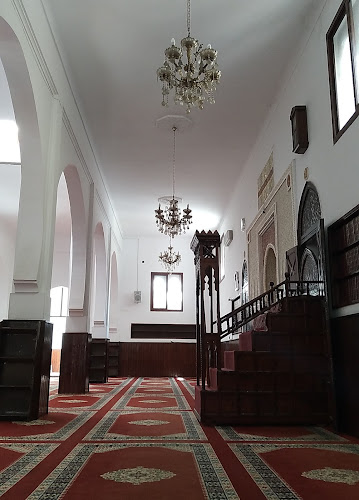
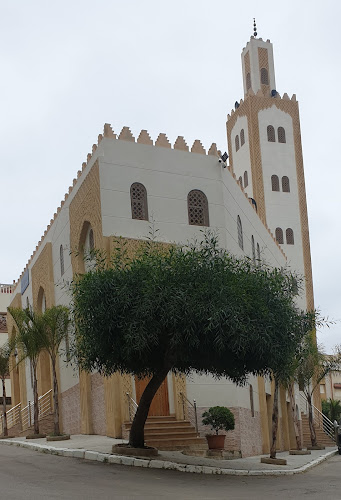
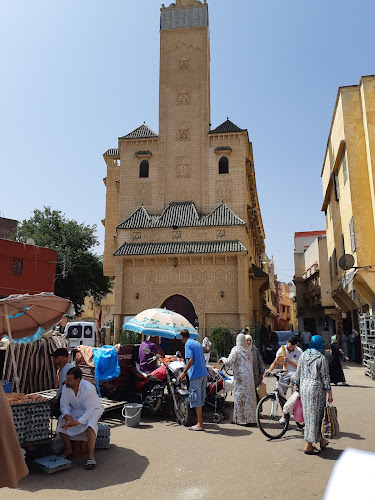
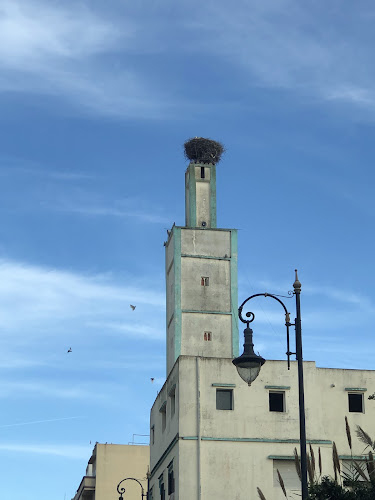
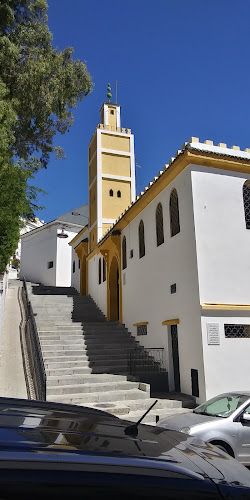
The mosque's architecture reflects traditional Arab-Moorish design, characterized by its rectangular layout measuring 34 meters in length and 30 meters in width. The exterior is adorned with pristine white stucco walls, complemented by vibrant green and orange ceramic tiles arranged in intricate geometric patterns, showcasing the craftsmanship of Moroccan artisans. A central courtyard, measuring 11 meters by 13 meters, features a fountain for ritual ablutions, a common element in Islamic architecture. The mosque's minaret, located at the northeast corner, is a striking feature adorned with decorative battlements and a pyramid-shaped dome with metallic detailing. The roof is covered with green ceramic tiles, symbolizing Morocco’s Islamic heritage. (gatewaytomorocco.com)
Cultural and Civic Role
Beyond its religious significance, the Grand Mosque has historically been a focal point for civic life in Tangier. Its proximity to the Inner Market, formerly the Roman Forum, underscores its central role in the city's commercial activities. Adjacent to the mosque were the house of the qadi (judge), the muwaqqit (timekeeper), a cistern, a hospital for the mentally ill, and a mortuary for foreigners who died far from home. These establishments were managed and funded by the mosque's habous (charitable trust), highlighting its influence on urban development and social welfare. (en.wikipedia.org)
Restorations and Modern Significance
The mosque has undergone several restorations to preserve its historical and architectural integrity. Notably, in 1962, an extension was added to the southwest side, and further restoration work was carried out in 2001 under the patronage of King Mohammed VI. These efforts ensure that the mosque remains a vibrant center for worship and a symbol of Tangier's rich cultural heritage. (en.wikipedia.org)
Visiting the Mosque
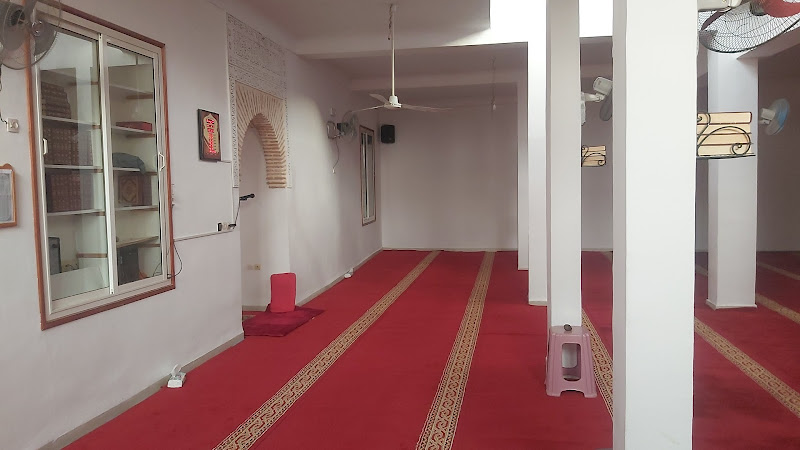
While the mosque is primarily a place of worship and is closed to non-Muslims, visitors can admire its majestic exterior and explore the surrounding medina. The intricate tilework, decorative stucco, and the imposing minaret make it a must-see landmark in Tangier. Strolling around the mosque offers a glimpse into the city's architectural splendor and provides an opportunity to experience the vibrant atmosphere of the medina. (gatewaytomorocco.com)
The Grand Mosque of Tangier stands as a testament to Morocco's rich architectural heritage and its dynamic history. Its blend of historical significance, architectural beauty, and cultural importance makes it a central landmark in Tangier, reflecting the city's enduring legacy and its role as a crossroads of civilizations.
Location