uncategorized
The Godson's Fountain (La Fuente del Ahijado)
About this place
Discover The Godson's Fountain (La Fuente del Ahijado)
La Fuente del Ahijado is a picturesque hamlet situated within the municipality of Adra, in the province of Almería, Spain. Located in the autonomous community of Andalusia, this quaint settlement offers a glimpse into the traditional rural life of the region. With a population of approximately 51 residents, La Fuente del Ahijado embodies the serene and close-knit community characteristic of Andalusian hamlets. (citypopulation.de)
Geographical Setting
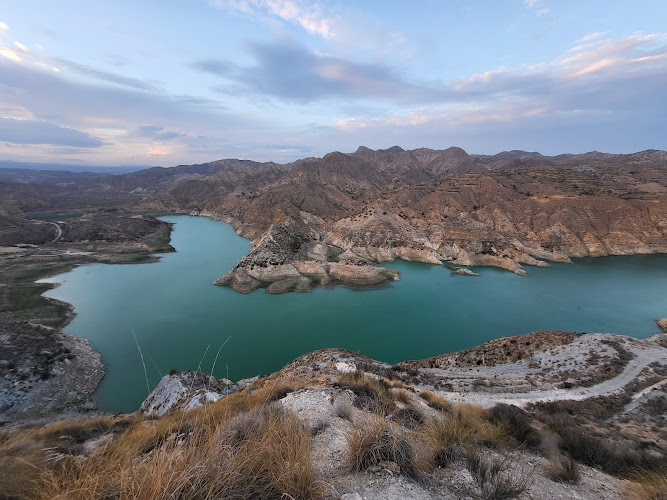
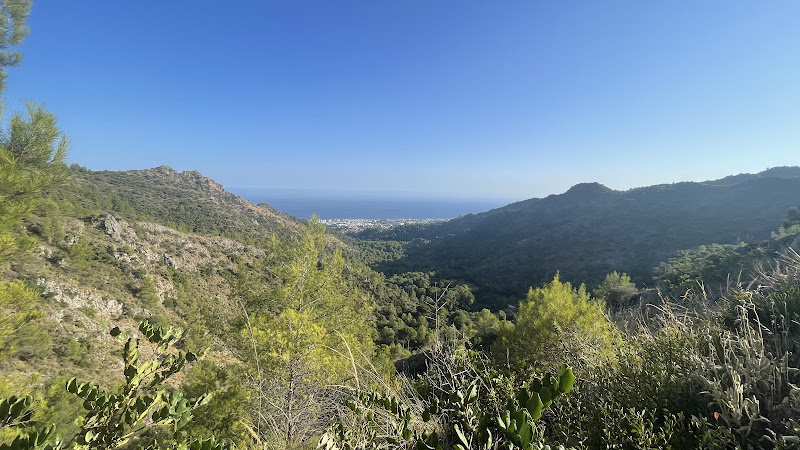
Nestled in the southeastern part of Spain, La Fuente del Ahijado is part of the municipality of Adra, which lies along the Mediterranean coast. The hamlet is situated near the localities of El Ciego and El Toril, contributing to its tranquil and rural ambiance. The surrounding landscape is characterized by rolling hills, olive groves, and traditional Andalusian architecture, offering visitors a picturesque setting that reflects the region's natural beauty. (mapcarta.com)
Historical Background
While specific historical records about La Fuente del Ahijado are limited, the region of Adra has a rich history that dates back to ancient times. Adra itself has been inhabited since Phoenician times and has witnessed various civilizations, including the Romans and Moors. The area's strategic coastal location has historically made it a hub for trade and cultural exchange. The hamlet's name, "La Fuente del Ahijado," translates to "The Godson's Fountain," suggesting a possible historical or cultural significance related to local traditions or events.
Cultural Significance
A cornerstone of La Fuente del Ahijado's cultural life is its annual celebration in honor of the Virgin of Fátima. This event, typically held during the last weekend of May, is a blend of religious devotion and local traditions. The festivities commence on Saturday with "Cante Alpujarreño," a traditional form of singing from the Alpujarra region, followed by performances by local musical groups such as 'Los Canarios.' The evening includes communal dances, known as "Baile con Piñata," where participants engage in traditional dances, and the sharing of local delicacies like chocolate and buñuelos. On Sunday, the celebration continues with children's games, including a "Carrera de Sacos Infantil" (children's sack race) and a "Concurso de Equilibrio de Bicicleta Infantil" (children's bicycle balancing contest). The religious aspect is highlighted by a mass sung by the local choir 'Alquería Viva,' followed by a procession in honor of the Virgin of Fátima, accompanied by the Banda de Cornetas y Tambores de Adra. The event concludes with a fireworks display, marking the end of the festivities. (adra.es)
Architectural and Natural Attractions
While La Fuente del Ahijado itself is a small hamlet, it is in proximity to several notable attractions that reflect the architectural and natural heritage of the region. The Adra Lighthouse, an active maritime beacon, is situated nearby and offers picturesque views of the Mediterranean coast. This lighthouse, built in 1986, is the third to have been constructed near the town of Adra and serves as a testament to the area's maritime history. (mapcarta.com)
Additionally, the Museo de Adra provides insights into the region's history and culture. The museum showcases artifacts and exhibits that narrate the story of Adra and its surroundings, offering visitors a deeper understanding of the area's rich heritage. (mapcarta.com)
Visitor Information
For those interested in visiting La Fuente del Ahijado, the hamlet offers a peaceful retreat from the hustle and bustle of city life. Accommodations in the area range from rural guesthouses to small hotels, providing a comfortable stay for visitors. The local cuisine is a highlight, with traditional Andalusian dishes such as "tortilla del Sacromonte" and "pisto almeriense" available in nearby eateries. The annual festivities in honor of the Virgin of Fátima are a significant draw, offering a unique cultural experience that combines religious devotion with local traditions. Visitors are encouraged to check the local calendar for specific dates and events to plan their visit accordingly.
Conclusion
�
Location