attractions
The Guijo Cliff (El Despeñadero del Guijo)
About this place
Discover The Guijo Cliff (El Despeñadero del Guijo)
El Despeñadero del Guijo
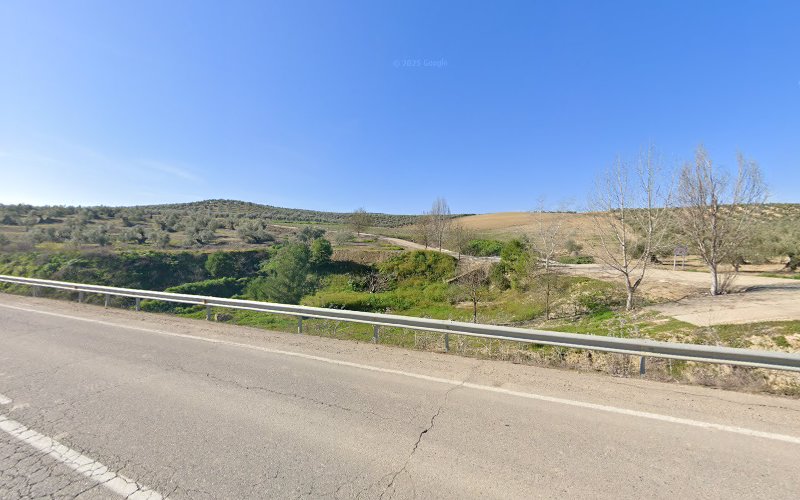
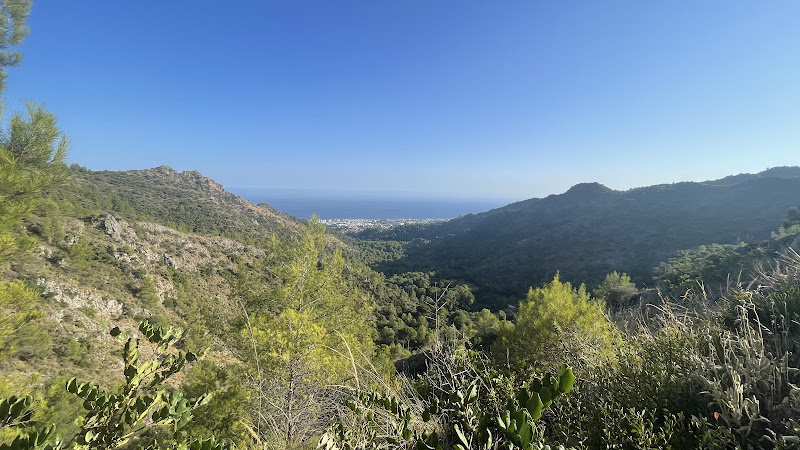
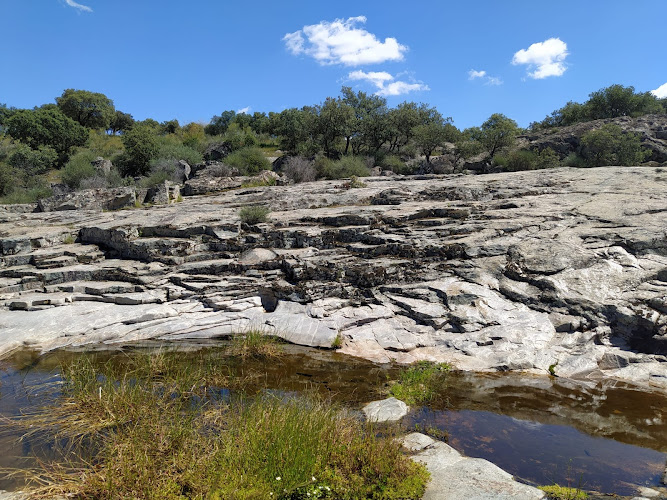
El Despeñadero del Guijo is a captivating natural landmark situated in the municipality of El Guijo, within the province of Córdoba, Spain. This extraordinary site is renowned for its towering cliffs and distinctive geological formations that rise majestically above the surrounding landscape, offering panoramic views of the Yeguas River and the expansive Los Pedroches Valley.
Geographical and Geological Features
El Guijo is located in the Los Pedroches Valley, approximately 100 kilometers north of Córdoba. The municipality encompasses an area of 67.26 square kilometers and is positioned at an elevation of 566 meters above sea level. ({{LINK0}}) The region's terrain is characterized by its volcanic origin, contributing to the unique geological features observed in the area. ({{LINK1}})
The cliffs of El Despeñadero del Guijo are composed of various rock types, including limestone and sandstone, which have been shaped over millions of years through processes such as erosion and sedimentation. These geological formations not only provide a visual spectacle but also offer insights into the Earth's geological history, making the site of interest to geologists and earth science enthusiasts.
Flora and Fauna
The diverse range of colors in the cliffs—from the stark whites of the exposed rock faces to the lush greens of the surrounding vegetation—creates a vibrant contrast that enhances the visual appeal of the area. This rich tapestry of colors supports a variety of plant species, including Mediterranean shrubs, wildflowers, and scattered trees such as oaks and pines. The vegetation provides habitat and sustenance for a range of animal species, including birds of prey like eagles and vultures, small mammals, and a variety of insects.
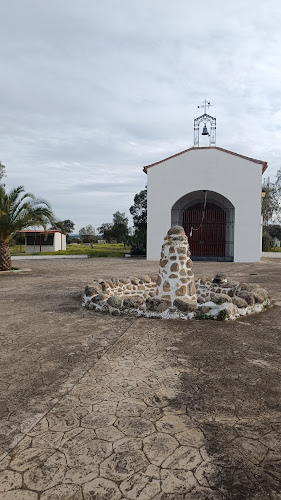
The presence of a paleochristian baptistery within the Ermita de la Virgen de las Cruces, located near El Despeñadero del Guijo, indicates the area's long-standing religious and cultural significance. (es.wikipedia.org)
Historical Significance
The region surrounding El Despeñadero del Guijo is rich in history and cultural heritage. Archaeological sites such as Majadaiglesia, located near the chapel of Our Lady of the Crosses, have yielded remains dating from the Bronze Age to the 12th century, indicating continuous human presence in the region over millennia. (crwflags.com) These findings suggest that the area has been a focal point for human activity since prehistoric times, serving as a settlement and a place of worship.
The name "El Guijo" itself is believed to be derived from the Spanish word "guijo," meaning "gravel" or "pebble," possibly referring to the riverbed materials found in the area. The settlement's history dates back to the Middle Ages, with its integration into the Lordship of Santa Eufemia in 1293. (es.wikipedia.org) Over the centuries, El Guijo has witnessed various historical events, including periods of economic prosperity and decline, reflecting the broader historical trends of the Los Pedroches Valley.
Cultural Heritage
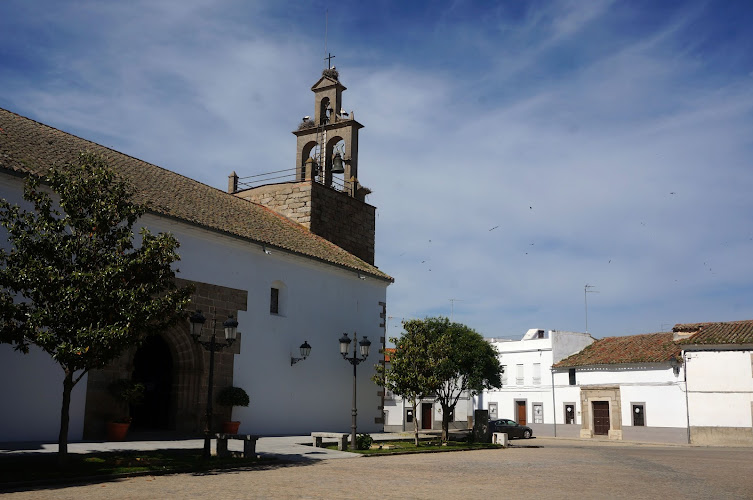
El Guijo's cultural heritage is evident in its architectural landmarks, such as the Parroquia de Santa Ana and the Ermita de la Virgen de las Cruces. The Parroquia de Santa Ana, built in the 16th century, features a single nave divided into five sections by pointed arches, a design characteristic of the Los Pedroches region. Its façade is distinguished by substantial buttresses that frame the main entrance, designed by Hernán Ruiz II. ({{LINK0}}) The Ermita de la Virgen de las Cruces, situated near the Majadaiglesia archaeological site, is divided into three sections by pointed arches and houses a paleochristian baptistery, underscoring the area's long-standing religious significance. ({{LINK1}})
Festivals and Traditions
El Guijo hosts
Location