place of historical interest
Sea Eye Spring (Manantial Ojo de mar)
About this place
Discover Sea Eye Spring (Manantial Ojo de mar)
The Ojo de Mar spring, situated in the municipality of Fuente Vaqueros in the province of Granada, Spain, is a remarkable natural feature that has captivated both locals and visitors for generations. This spring is an integral part of the "Ruta del Agua," an 8.3-kilometer trail that meanders through the picturesque landscapes of the Vega de Granada, offering a unique glimpse into the region's rich hydrological and cultural heritage. (elindependientedegranada.es)
Geographical and Hydrological Characteristics
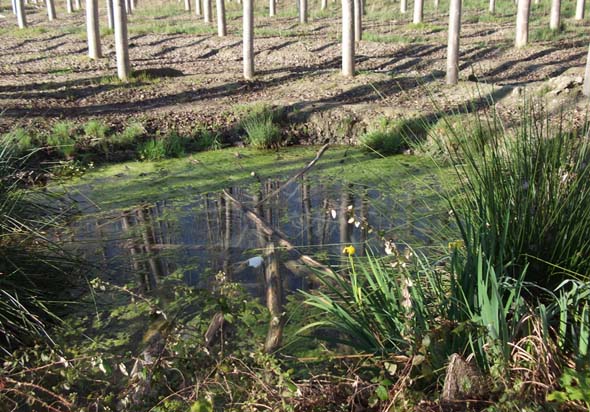
The Ojo de Mar spring is characterized by a circular depression in the ground where water emerges, creating a mesmerizing visual effect as it bubbles up from the earth. Despite its modest flow, the spring remains perennial, never running dry, which is a testament to the resilience and consistency of the local aquifer systems. This unique hydrological feature has made it a focal point for tourists seeking to experience the authentic beauty of the Vega de Granada. (elindependientedegranada.es)
The spring's location within the Vega de Granada, a fertile plain that stretches along the Genil River, contributes to its ecological significance. The area is characterized by rich alluvial soils and a network of irrigation channels, known as "acequias," which have been utilized for centuries to support the region's agricultural activities. The Ojo de Mar spring, along with other natural features in the area, plays a crucial role in sustaining the local ecosystem and supporting the livelihoods of the communities that have inhabited this land for generations.
Cultural and Historical Significance
The Vega de Granada has long been a source of inspiration for artists, poets, and writers, with its landscapes and natural features serving as muses for creative expression. The Ojo de Mar spring, in particular, holds cultural significance as it forms part of the landscape that inspired the renowned poet Federico García Lorca during his formative years. Lorca's deep connection to the region is evident in his works, where he often drew upon the natural surroundings and cultural traditions of the Vega de Granada. The "Ruta del Agua," which includes the Ojo de Mar spring, not only highlights the natural beauty of the region but also provides insights into the traditional irrigation systems and agricultural practices that have shaped the local way of life. (elindependientedegranada.es)
Ecological Importance
The Ojo de Mar spring contributes to the ecological diversity of the Vega de Granada by supporting a variety of plant and animal species that thrive in the moist environment created by the spring's waters. The surrounding poplar groves and other riparian vegetation provide habitats for numerous bird species, insects, and small mammals, contributing to the region's biodiversity. The perennial nature of the spring ensures a consistent water source, which is vital for maintaining the ecological balance of the area, especially during periods of low rainfall.
Visitor Information
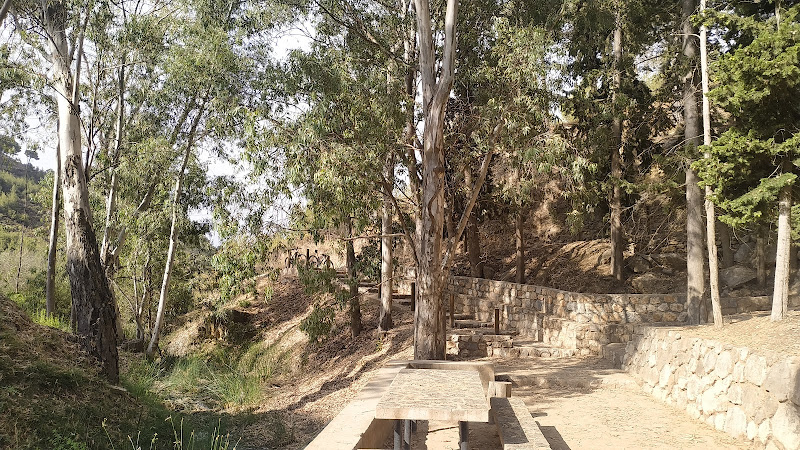
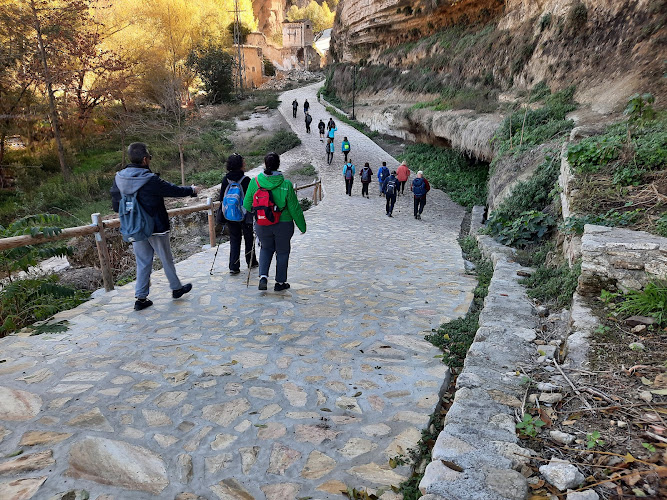
For those interested in exploring the Ojo de Mar and its surroundings, the "Ruta del Agua" offers a well-marked path suitable for hikers of varying skill levels. The trail provides an excellent opportunity to immerse oneself in the rich natural heritage of the Vega de Granada, making it a must-visit destination for nature enthusiasts and cultural explorers alike. Along the route, visitors can discover other springs and natural features, each with its own unique charm and ecological importance. The trail also offers insights into the traditional agricultural practices of the region, including the use of "acequias" for irrigation, and provides opportunities to learn about the history and culture of the local communities. (elindependientedegranada.es)
Conservation Efforts
Preserving the natural and cultural heritage of the Vega de Granada, including the Ojo de Mar spring, is essential for maintaining the region's ecological balance and cultural identity. Local authorities and environmental organizations are actively involved in conservation efforts aimed at protecting the area's water resources, promoting sustainable agricultural practices, and ensuring that future generations can continue to enjoy and learn from these natural wonders. Visitors are encouraged to respect the environment by staying on designated paths, avoiding littering, and adhering to local guidelines to help preserve the beauty and integrity of the Ojo de Mar spring and its surroundings.
Conclusion
The Ojo de Mar spring is more than just a natural feature; it is a testament to the enduring relationship between the people of the Vega de Granada and their environment. Its perennial waters, cultural significance, and ecological
Location