hiking area
High Bujo Trail (Sendero Alto del bujo)
About this place
Discover High Bujo Trail (Sendero Alto del bujo)
High Bujo Trail (Sendero Alto del Bujo)
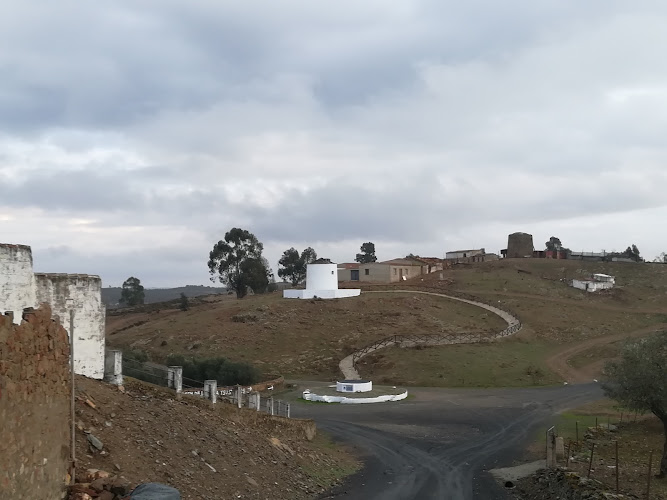
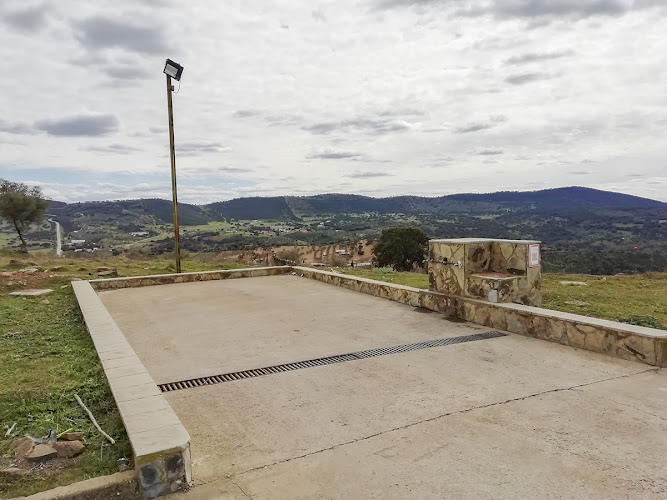
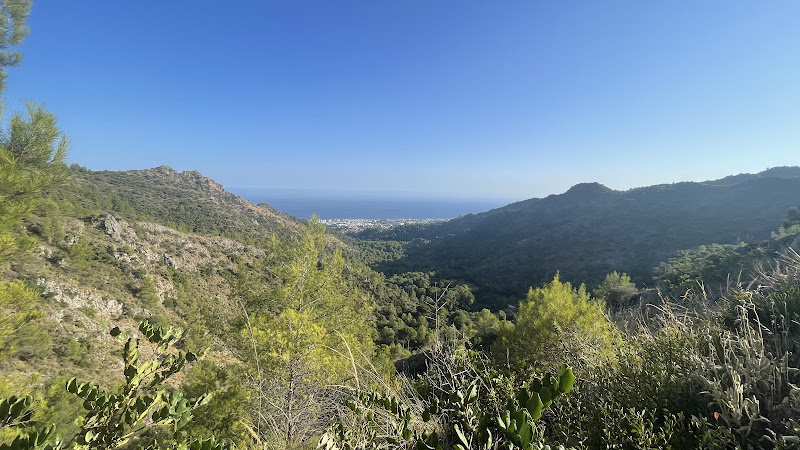
The High Bujo Trail, or Sendero Alto del Bujo, is a distinguished hiking route situated in Arroyomolinos de León, a picturesque village within the Sierra de Aracena y Picos de Aroche Natural Park in the province of Huelva, Spain. This trail offers an immersive journey through diverse landscapes, rich biodiversity, and cultural heritage, making it a cherished destination for hikers and nature enthusiasts.
Historical and Cultural Context
Arroyomolinos de León is a village steeped in history, with roots tracing back to ancient times. The area has been inhabited since prehistoric periods, as evidenced by archaeological findings in the region. Over the centuries, the village has witnessed various cultural influences, including Roman and Moorish, each leaving an indelible mark on its architecture, traditions, and way of life. The village's name, "Arroyomolinos," translates to "stream mills," reflecting its historical association with watermills that once dotted the landscape, harnessing the power of local waterways for milling grain and other agricultural processes.
Trail Overview
The High Bujo Trail is a linear route approximately 3.68 kilometers in length, with a round-trip duration of about 1 hour and 15 minutes, making it accessible to hikers of varying skill levels. The trail features a gentle ascent, with a total elevation gain of around 280 meters, leading hikers through a variety of terrains and ecosystems. The path is well-marked and maintained, ensuring a safe and enjoyable experience.
Starting Point and Route Description
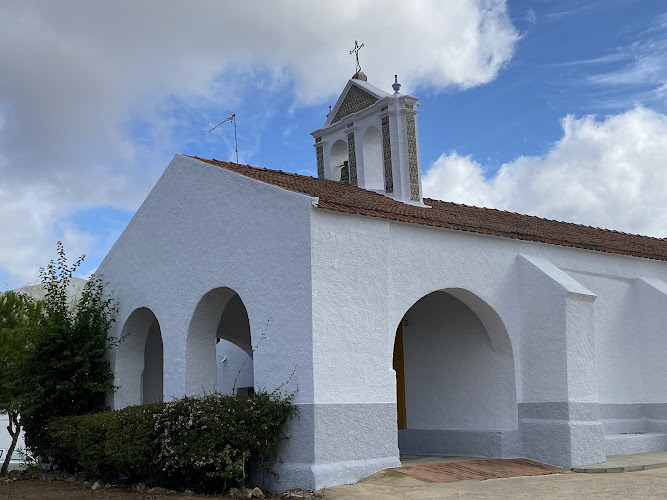
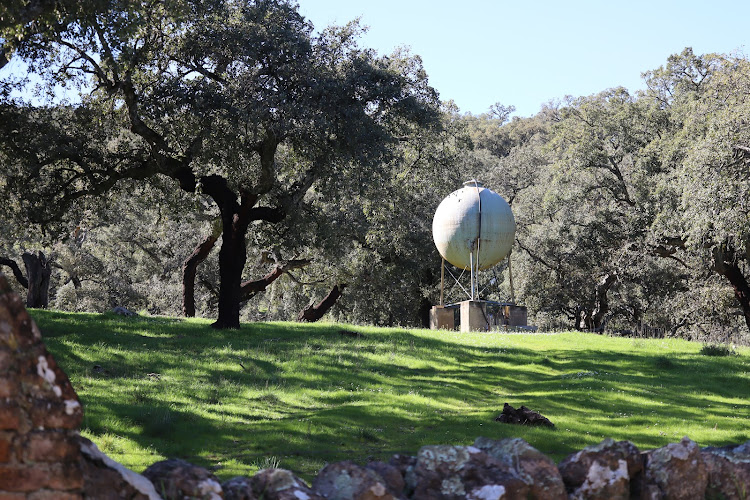
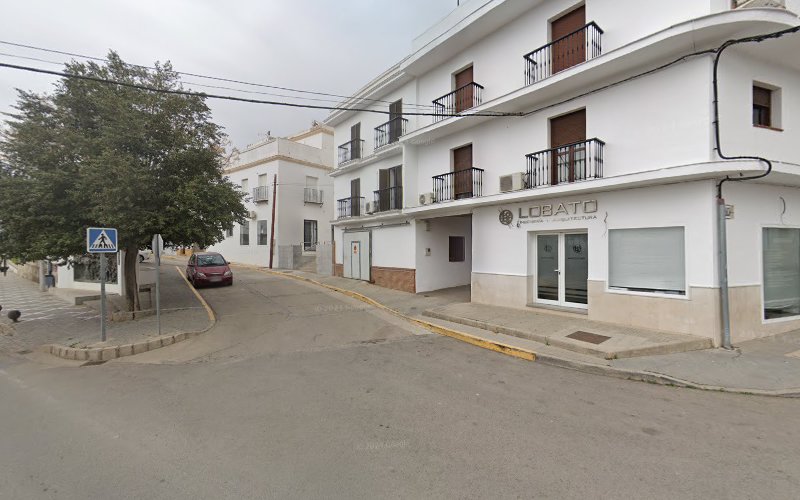
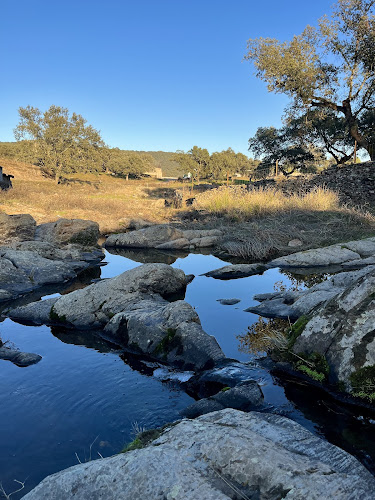
The adventure begins in the heart of Arroyomolinos de León, a village renowned for its traditional Andalusian architecture, whitewashed houses, and narrow cobblestone streets. From the village center, the trail follows a paved path that gradually transitions into a dirt track, guiding hikers through expansive dehesas—open woodlands dominated by holm oaks. These dehesas are a testament to the traditional land use of the region, where livestock grazing and cork harvesting have been practiced for centuries. The path is flanked by ancient stone walls, remnants of traditional land demarcations, adding a historical touch to the natural surroundings.
As hikers ascend, the landscape transforms, with the dense oak forests giving way to more resilient species such as cork oaks, strawberry trees,
Location