attractions
Mural "Decephalus, King of the Dacians" by WAH (Mural "Decéfalo, rey de los Dacios" de WAH)
About this place
Discover Mural "Decephalus, King of the Dacians" by WAH (Mural "Decéfalo, rey de los Dacios" de WAH)
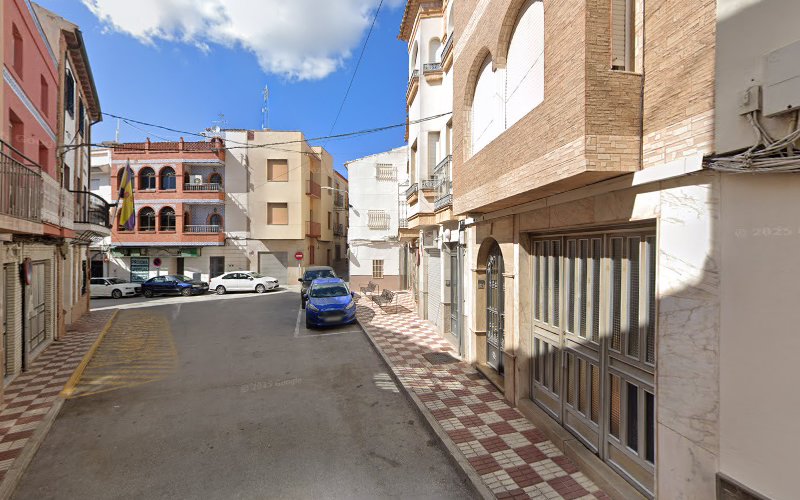
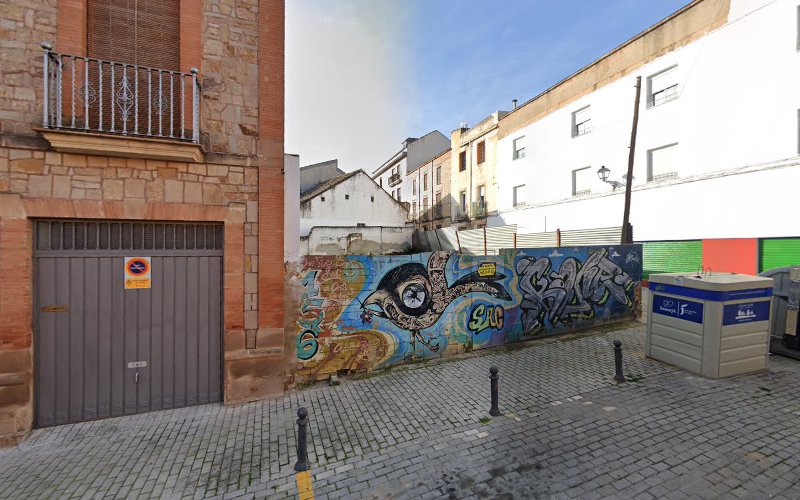
The mural "Decephalus, King of the Dacians" by WAH is a remarkable work of public art situated at C. Zambrana, 29, 23700 Linares, Jaén, Spain. This artwork pays homage to Decebalus, the last king of Dacia, who is renowned for his resistance against Roman conquest in the early 2nd century AD. The mural captures the king's formidable presence and the rich history of the Dacian people.
Historical Context of Decebalus and the Dacians
Decebalus ascended to the throne of Dacia around 87 AD, a period when the Roman Empire was expanding its borders into the Balkans. Dacia, located in the area of modern-day Romania and Moldova, was a region rich in natural resources, particularly gold, making it a prime target for Roman conquest. Under Decebalus's leadership, the Dacians became formidable opponents, employing guerrilla tactics and fortifications to resist Roman advances.
The Dacian Wars, fought between 101 and 106 AD, were a series of military campaigns initiated by Emperor Trajan to subjugate Dacia. These wars were marked by significant battles, including the Battle of Tapae, where the Dacians achieved a tactical victory, and the eventual fall of the Dacian capital, Sarmizegetusa Regia. Decebalus's leadership during these conflicts has been celebrated for its strategic acumen and determination.
Artistic Representation by WAH
The artist WAH is known for creating murals that blend historical themes with contemporary artistic styles. Their work often features bold colors and dynamic compositions, aiming to engage viewers and provoke thought. By choosing Decebalus as a subject, WAH highlights the enduring relevance of historical figures in modern art. The mural serves as a visual tribute to Decebalus's leadership and the cultural heritage of the Dacians.
Architectural and Artistic Features of the Mural
The mural is painted on the exterior wall of a building at the specified address in Linares. Its large scale and vibrant colors make it a focal point in the urban landscape. The depiction of Decebalus is both powerful and dignified, capturing the essence of his leadership and the resilience of the Dacian people. The use of contemporary artistic techniques, such as abstract forms and dynamic lines, adds a modern touch to the historical subject matter.
Cultural Significance and Community Impact
Located in Linares, a city in the province of Jaén, the mural adds to the area's cultural landscape. Linares is known for its rich history and vibrant arts scene, making it an ideal setting for such a significant piece of public art. The mural not only beautifies the urban environment but also educates the public about the historical significance of Decebalus and the Dacian civilization.
The presence of the mural has sparked interest and discussion among locals and visitors alike. It serves as a reminder of the city's commitment to preserving and celebrating its cultural heritage through art. The mural also fosters a sense of pride and identity among the community, connecting them to a broader historical narrative.
Visitor Information
Visitors to Linares can find the mural at the specified address, where it stands as a testament to the city's dedication to public art and historical education. The mural is accessible to the public at all times, allowing for spontaneous visits and appreciation. For those interested in learning more about the Dacian Wars and Decebalus's role in them, local libraries and museums in Linares may offer resources and exhibits related to this period.
In conclusion, the mural "Decephalus, King of the Dacians" by WAH is a significant addition to the public art scene in Linares, Jaén. It serves as a bridge between ancient history and contemporary art, offering viewers a visual exploration of the Dacian civilization and its last king's legacy. Through this artwork, the community is reminded of the importance of remembering and honoring historical figures and events that have shaped our world.
Location