place of historical interest
Fort El Cubete (Fortín El Cubete)
About this place
Discover Fort El Cubete (Fortín El Cubete)
Fort El Cubete
Fort El Cubete stands as a testament to Spain's rich military heritage, offering a glimpse into the architectural and strategic innovations of the late 15th century. Located in Carmona, a historic town in the province of Seville, this fortification has witnessed centuries of history, from its construction during the reign of the Catholic Monarchs to its restoration in the modern era.
Historical Background
The origins of Fort El Cubete trace back to the period between 1486 and 1488, a time when Spain was undergoing significant political and military transformations. During this era, the Catholic Monarchs, Ferdinand II of Aragon and Isabella I of Castile, sought to consolidate their realms and strengthen their defenses against external threats. Carmona, strategically located atop the Alcores mountain range, was a focal point in these defensive strategies.
The fort was constructed as an extension of the Alcázar del Rey Don Pedro, a royal palace that had been built in the 14th century by King Peter I of Castile. This palace was renowned for its architectural splendor and served as a symbol of the king's power and influence. The addition of Fort El Cubete was a strategic move to enhance the Alcázar's defensive capabilities, ensuring that Carmona remained impregnable to potential invaders.
The construction of the fort is attributed to Francisco Ramírez de Madrid, a distinguished artillery expert of the time. His expertise in military engineering was instrumental in the design and execution of the fort, reflecting the advanced understanding of artillery and fortification techniques during the late 15th century. (monumentalnet.org)
Architectural Features
Fort El Cubete is distinguished by its oval-shaped design, a departure from the traditional quadrangular fortifications of the period. This design was a direct response to the advancements in artillery, which rendered traditional fortifications vulnerable. The oval shape provided a more robust defense against cannon fire, with the continuous curve minimizing blind spots and enhancing the fort's overall resilience.
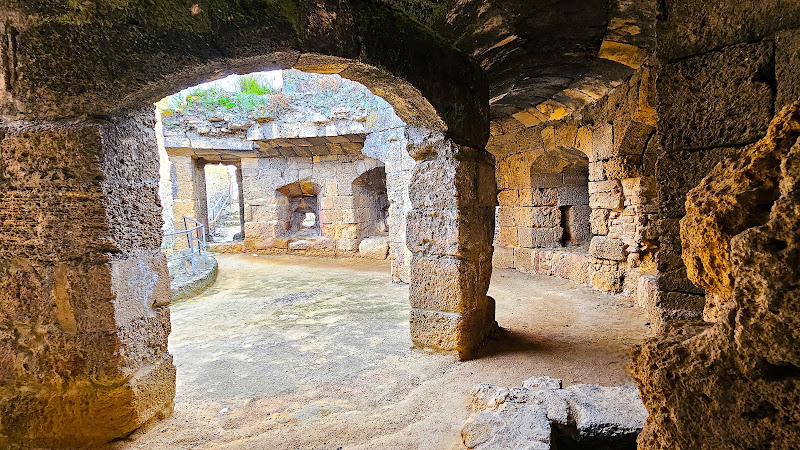
The exterior of the fort is adorned with a chain-like molding, adding to its aesthetic appeal. Triangular buttresses reinforce the structure, providing additional support and stability. Three sentry boxes, strategically positioned, offered lookout points and defensive positions for the fort's occupants. The entrance is marked by two horseshoe arches, which have been preserved over the centuries, serving as a testament to the fort's enduring design and construction quality. (turismo.carmona.org)
Cultural and Historical Significance
The fort's design and construction marked a significant evolution in military architecture. It was among the first artillery forts built in the Iberian Peninsula, setting a precedent for future fortifications in Spain and beyond. The use of the oval design influenced the development of military architecture, reflecting a shift towards more dynamic and adaptable defensive structures.
In 1993, Fort El Cubete was declared a site of cultural interest, recognizing its historical and architectural significance. This designation underscored the fort's role in Spain's rich cultural heritage and its importance as a historical monument. (turismo.carmona.org)
Restoration and Visitor Information
After centuries of neglect, the fort underwent extensive restoration efforts to preserve its structural integrity and historical authenticity. These efforts culminated in the fort's opening to tourists in June 2018, allowing visitors to explore its storied past and architectural marvels. The restoration has ensured that Fort El Cubete remains a vibrant part of Carmona's cultural landscape, offering insights into Spain's military history and architectural evolution.
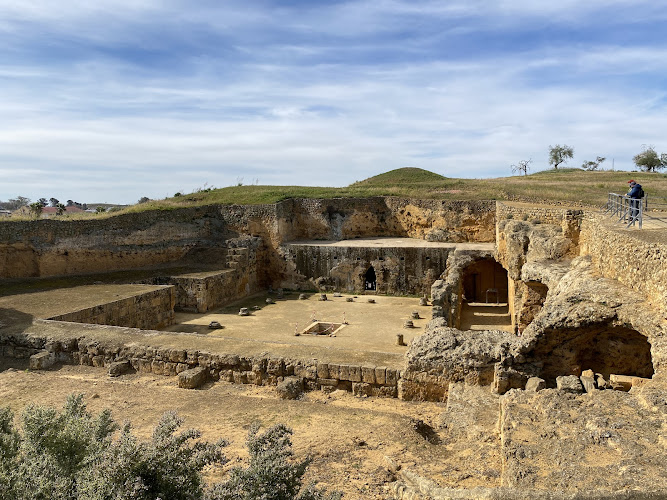
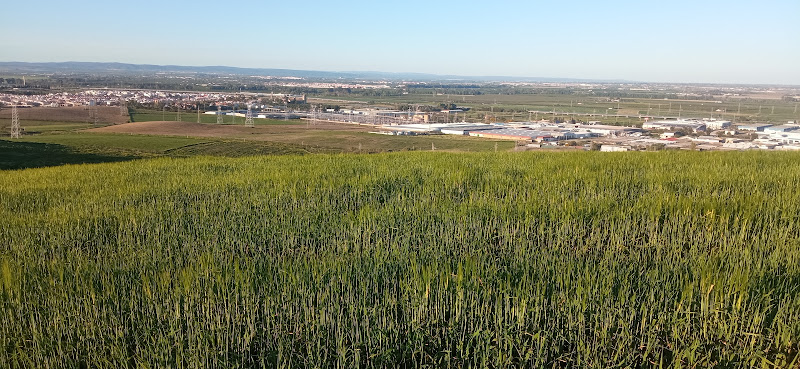
Visitors to Fort El Cubete can access the complex through a large double pointed horseshoe arch, which still preserves the remains of geometric paintings on the interior of the arches. The fort offers panoramic views of the surrounding Alcores region, providing a unique perspective on the landscape that has shaped Carmona's history. For those interested in exploring the fort's history in greater detail, audio guides and brochures are available, enhancing the visitor experience. (turismo.carmona.org)
In conclusion, Fort El Cubete stands as a monumental testament to Spain's military ingenuity and architectural prowess. Its strategic location, innovative design, and rich history make it a significant landmark in Carmona and a must-visit destination for those interested in Spain's cultural and historical heritage.
Location