Historical landmark
King Chulalongkorn Statue
About this place
Discover King Chulalongkorn Statue
King Chulalongkorn Statue
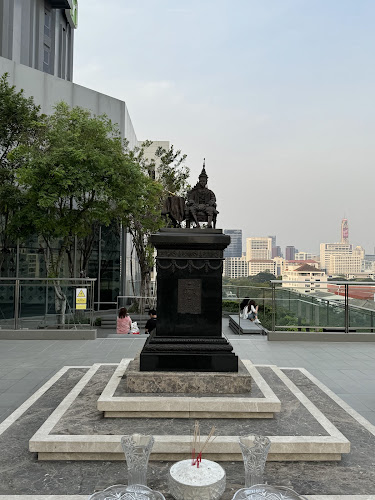
The King Chulalongkorn Statue, also known as the Equestrian Statue of King Chulalongkorn, stands majestically in the Royal Plaza of Bangkok, Thailand. This monumental bronze sculpture honors King Chulalongkorn, or Rama V, who reigned from 1868 to 1910 and is celebrated for his transformative role in modernizing Thailand. (en.wikipedia.org)
Historical Background
King Chulalongkorn ascended to the throne at a time when Thailand faced significant challenges from colonial powers in Southeast Asia. His reign marked a period of profound change, as he implemented reforms that modernized the country's infrastructure, education system, and military. Notably, he abolished slavery and corvée labor, laying the foundation for a more equitable society. (en.wikipedia.org)
The idea for an equestrian statue was inspired during King Chulalongkorn's visit to Europe in 1907. Impressed by the equestrian statue of King Louis XIV at the Palace of Versailles, he envisioned a similar monument in Bangkok to commemorate his 40th anniversary on the throne. The project was entrusted to French sculptor Georges Saulo, who crafted the statue in Paris. King Chulalongkorn himself posed for the statue, ensuring its authenticity and personal significance. (en.wikipedia.org)
Design and Symbolism
The statue portrays King Chulalongkorn in military uniform, holding the reins of his horse in his left hand and a baton in his right, symbolizing his leadership and military prowess. Standing 5 meters tall and weighing 6 tons, the bronze statue is mounted on a marble pedestal, reflecting the grandeur and importance of the monument. (en.wikipedia.org)
Location and Architectural Context
Situated in front of the Ananta Samakhom Throne Hall within the Dusit Palace complex, the statue occupies a central position in Bangkok's architectural landscape. The Royal Plaza, where the statue stands, has been a site for various national ceremonies and events, underscoring its significance in Thai history. (thisisbangkok.com)
Cultural Significance and Visitor Information
The statue serves as a focal point for both locals and tourists, offering a glimpse into Thailand's rich history and the enduring legacy of its former monarch. Visitors often pay respects by lighting candles and incense, especially on Tuesdays, the day of King Chulalongkorn's birth. The monument also attracts worshippers who make offerings of candles, flowers, and brandy, believed to be the king's favorite drink, in hopes of receiving blessings. (lonelyplanet.com)
The surrounding area, including the Dusit Palace and the Ananta Samakhom Throne Hall, offers visitors a rich historical and cultural experience. The Royal Plaza is accessible to the public, and visitors are encouraged to explore the nearby attractions, which showcase Thailand's architectural heritage and the legacy of King Chulalongkorn. (thisisbangkok.com)
In summary, the King Chulalongkorn Statue stands as a testament to the monarch's vision and leadership, symbolizing Thailand's journey towards modernization and its commitment to preserving its sovereignty and cultural identity. The monument continues to inspire reverence and admiration, serving as a bridge between Thailand's past and its present.
Location