About this place
Discover The Erawan Museum
Erawan Museum
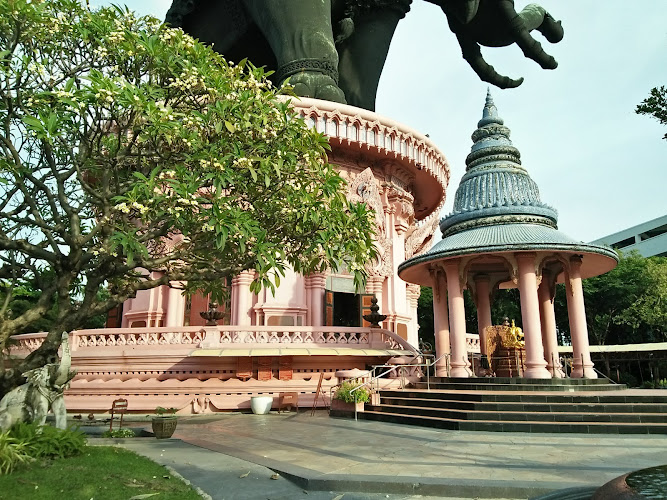
The Erawan Museum, situated in Samut Prakan Province, Thailand, is a remarkable cultural landmark renowned for its colossal three-headed elephant sculpture, a modern architectural marvel that symbolizes the Hindu god Airavata. This monumental structure stands 29 meters tall, weighs 250 tons, and is set atop a 15-meter pedestal, making it one of Thailand's most iconic and awe-inspiring edifices. (en.wikipedia.org)
Historical Background
The museum was established in 2003 by Thai businessman and philanthropist Lek Viriyaphant, who also founded the Ancient City (Muang Boran) and the Sanctuary of Truth. Viriyaphant's vision was to create a space that would preserve and showcase Thailand's rich cultural heritage through art and artifacts. His dedication to cultural preservation led to the creation of the Erawan Museum, which houses an extensive collection of ancient religious objects and artworks. (en.wikipedia.org)
Architectural Design
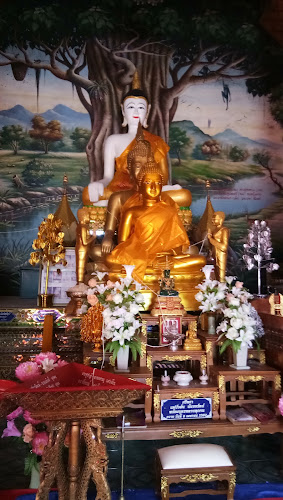
The Erawan Museum's design is inspired by Hindu cosmology, representing the three realms of the universe: the underworld, the human world, and heaven. The lower level, known as the underworld, is located within the pedestal and features a collection of rare artifacts and antiques. The middle level, representing the human world, is adorned with a blend of Eastern and Western art, including a stunning stained glass ceiling depicting the world map and zodiac signs. The upper level, situated within the belly of the elephant, symbolizes heaven and houses sacred Buddha relics, with walls decorated with murals depicting the cosmos. (en.wikipedia.org)
Cultural Significance
The Erawan Museum serves as a testament to Thailand's rich cultural and religious heritage. The three-headed elephant, known as Erawan in Hindu mythology, is a symbol of the god Indra's mount and is associated with rain and fertility. By incorporating this symbol into the museum's design, Viriyaphant emphasized the importance of preserving and honoring cultural and religious traditions. (erawanmuseum.com)
Notable Artifacts and Exhibits
Inside the museum, visitors can explore an extensive collection of artifacts that reflect Thailand's diverse cultural influences. The lower level houses rare artifacts, including Chinese vases from the Ming and Qing dynasties and European pottery. The middle level features a blend of Eastern and Western art, with a highlight being the stained glass ceiling created by German artist Jacob Schwarzkopf, depicting the world map and zodiac signs. The upper level houses sacred Buddha relics and is adorned with murals depicting the cosmos. (en.wikipedia.org)
Visitor Information
The Erawan Museum is open daily from 9:00 AM to 6:00 PM, with the last admission at 5:00 PM. It is accessible via the Chang Erawan BTS station on the Sukhumvit Line. Visitors can explore the museum's extensive collection, which includes Chinese vases from the Ming and Qing dynasties, European pottery, and various Buddhist relics. The surrounding gardens and walking paths offer a serene environment for reflection and appreciation of Thai culture. (erawanmuseum.com)
Interesting Facts
- The Erawan Museum is the largest freestanding sculpture created by hand-knocking, making it a unique architectural feat. (sayhithailand.com)
- The museum's design and construction involved meticulous craftsmanship, with hundreds of thousands of copper sheets applied to create the elephant's exterior. (sayhithailand.com)
- The museum is located on a 12-acre site, providing ample space for visitors to explore the surrounding gardens and walking paths. (thailanddiscovery.info)
- The Erawan Museum is part of a cultural legacy that includes the Ancient City and the Sanctuary of Truth, all founded by Lek Viriyaphant. (thailand-vloggers.com)
Conclusion
The Erawan Museum stands as a monumental testament to Thailand's rich cultural and religious heritage. �
Location