Museum
Adana Archaeology Museum
About this place
Discover Adana Archaeology Museum
Adana Archaeology Museum
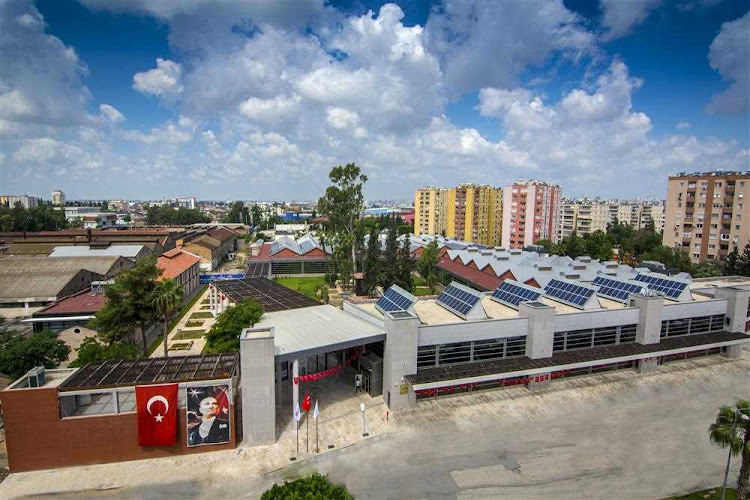
The Adana Archaeology Museum, established in 1924, stands as one of Turkey's oldest and most significant archaeological institutions. Its extensive collection offers a comprehensive journey through the rich tapestry of Cilician history, encompassing artifacts from the Paleolithic era to the Ottoman period. In 2017, the museum relocated to the restored Milli Mensucat Factory in Adana's Döşeme neighborhood, becoming a central component of the Adana Museum Complex. This complex includes the Archaeology Museum, Mosaic Museum, Ethnography Museum, Agriculture Museum, Industry Museum, and City Museum, collectively providing a multifaceted exploration of the region's heritage. (turkishmuseums.kprod.kultur.gov.tr)
Historical Background
The museum's origins trace back to 1924, shortly after the proclamation of the Turkish Republic. Initially, it began with the collection of column capitals and sarcophagi gathered by local civilians and French military personnel. An agreement with the Imperial Museum in Constantinople facilitated the transfer of certain antiquities held in Silifke to the Adana museum. In 1928, under the directorship of Alyanakzade Halil Kamil Bey, the museum opened to the public in the medrese section of the defunct Cafer Pasha Mosque. Over the years, the museum underwent several relocations to accommodate its growing collection, moving to the former Greek Orthodox Church at Kuruköprü in 1950 and later to its current location in 2017. (en.wikipedia.org)
Architectural Significance
The museum's current building is a testament to Adana's industrial heritage. The Milli Mensucat Factory, established in 1906 by Aristidi Simyonoglu, was once the largest manufacturing plant in the region. The restoration of this historic textile factory into the museum complex preserves the architectural essence of early 20th-century industrial Adana. The adaptive reuse of the factory not only honors the city's industrial past but also provides a unique backdrop for the museum's diverse collections. (en.wikipedia.org)
Collections and Exhibits
The museum's extensive collection is organized chronologically, offering visitors a structured exploration of Cilician history. Artifacts span from the Neolithic and Chalcolithic periods through the Hittite, Assyrian, Archaic, Hellenistic, Roman, Byzantine, Seljuk, and Ottoman eras. Notable exhibits include:
- Hittite Period: A statue of the Storm God Tarhunda, exemplifying the artistic achievements of the Hittite civilization.
- Roman Period: The "Achilles Sarcophagus," adorned with high-relief scenes depicting the Trojan wars, and a marble sarcophagus from Tarsus illustrating the same theme.
- Byzantine Period: A sarcophagus carved with a Medusa from the ancient city of Augusta, submerged beneath the Seyhan Dam Reservoir.
- Bronze Age: A life-sized bronze statue from the ancient city of Magarsus in Karataş.
The museum also houses the only known inscription mentioning Apollonius of Tyana from the 3rd–4th century CE. (en.wikipedia.org)
Visitor Experience
The museum's design enhances the visitor experience by effectively illuminating exhibits, drawing attention to the artifacts while maintaining a comfortable viewing environment. The use of lateral lighting in glass display cases highlights intricate details, enriching the understanding of each piece. Informative panels, visuals, dioramas, and reconstructions provide context, making the museum's offerings accessible and engaging for a diverse audience. (adanabaska.com)
In addition to the archaeological exhibits, the museum complex features a shop selling Adana-specific souvenirs and a café with a large garden, offering visitors a place to relax and reflect on their experience. (adanabaska.com)
Visitor Information
The museum is open from Tuesday to Sunday, with summer hours from 8:30 AM to 7:00 PM and winter hours from 8:30 AM to 5:30 PM. The entrance fee is 15 TL, with free admission
Location