Mosque
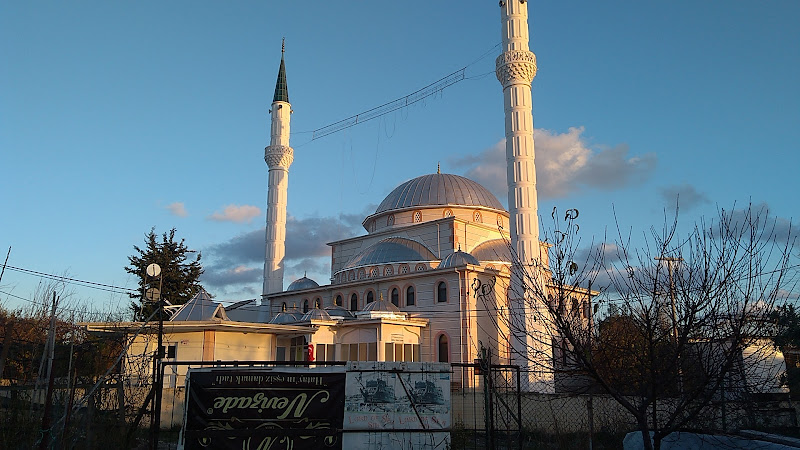
Ermenek Ibn-i Sina Mosque (Ermenek İbn-i Sina Camii)
About this place
Discover Ermenek Ibn-i Sina Mosque (Ermenek İbn-i Sina Camii)
Ermenek Ibn-i Sina Mosque
The Ermenek Ibn-i Sina Mosque, situated in the town of Ermenek in Karaman Province, Turkey, stands as a testament to the rich historical and architectural heritage of the region. Ermenek, historically known as Germanicopolis, has a storied past that spans several millennia, reflecting the diverse cultures and civilizations that have influenced its development.
Historical Background
Ermenek's origins trace back to ancient times, with its name derived from Germanicus, the grandnephew and grandson-in-law of Emperor Augustus. The town's strategic location in the Roman province of Isauria made it a significant urban center. Over the centuries, Ermenek witnessed the rise and fall of various empires, including the Byzantine and Seljuk Turks, each leaving an indelible mark on its cultural and architectural landscape.
During the 14th century, Ermenek was under the rule of the Karamanid dynasty, a Turkish principality that played a pivotal role in the region's history. The Karamanids were known for their contributions to art, architecture, and culture, commissioning the construction of several notable mosques in Ermenek. Among these were the Akça Mosque (1300), Ermenek Grand Mosque (1302), Sipas Mosque (1306), and Meydan Mosque (1436). These structures not only served as places of worship but also as symbols of the Karamanid's architectural prowess and cultural significance. (en.wikipedia.org)
Architectural Significance
The Ibn-i Sina Mosque is renowned for its unique architectural features that distinguish it from other mosques of its era. One of its most notable aspects is the inclusion of a narthex gallery, a form of antechamber, between the outer doors and the prayer hall. This design element is the first example of its kind in Turkish mosque architecture, reflecting innovative thinking and adaptation to the local environment. The mosque's rectangular hypostyle prayer hall is divided into three transverse arched naves extending from west to east, creating a harmonious and functional space for worshippers. The main entrance and narthex are uniquely positioned to the west of the mosque, deviating from the traditional orientation where entrances are typically located to the north, opposite the mihrab to the south. (en.wikipedia.org)
Constructed by Mahmud Bey of the Karamanids in 1302 AD (702 AH), the mosque's foundation is marked by an inscription in Sülüs-style calligraphy on the original door wings between the antechamber and the prayer hall. These 14th-century wooden door wings, adorned with intricate calligraphic designs, have been preserved and are currently exhibited at the Sahip Ata Museum in Konya, offering visitors a glimpse into the artistic achievements of the period. (en.wikipedia.org)
Cultural and Religious Significance
The Ibn-i Sina Mosque holds a prominent place in the religious and cultural life of Ermenek. As a functioning mosque, it continues to serve the local Muslim community, providing a space for daily prayers, religious education, and community gatherings. Its architectural elegance and historical significance attract scholars, historians, and tourists interested in the rich tapestry of Turkish Islamic architecture. The mosque's design elements, such as the narthex gallery and the unique orientation of the entrance, reflect the adaptability and innovation of the Karamanid architects in response to both functional requirements and aesthetic considerations.
Visitor Information
For those interested in visiting the Ibn-i Sina Mosque, it is advisable to check the local municipality's official website or contact the mosque administration for the most current visiting hours and any specific guidelines. Visitors are encouraged to dress modestly and respect the mosque's sanctity during their visit. While the mosque is primarily a place of worship, it also welcomes tourists who wish to appreciate its architectural beauty and historical significance.
Exploring Ermenek
Beyond the Ibn-i Sina Mosque, Ermenek offers a wealth of historical and natural attractions that reflect the region's diverse heritage. The Firan Castle, located on Boyacı Street, is a notable historical structure with a deep-rooted history. The Ilısu Waterfall provides a serene natural setting, while the Tol Madrasa, constructed by Emir Musa of the Karamanoğlu Domain in 1339, showcases authentic examples of Karamanid art and architecture. The Ermenek Bozdağ Ski Center offers recreational opportunities for visitors during the winter months. These sites, along with the Ibn-i Sina Mosque, contribute to Ermenek's reputation as a destination rich in cultural and historical experiences. (lomio.com)
In conclusion, the Ibn-i Sina Mosque stands as a remarkable example of 14th-century Turkish architecture, embodying the artistic and cultural achievements of the Karamanid dynasty. Its unique design elements, historical significance, and continued role in the community make it a must-visit destination for those interested in exploring Turkey's rich Islamic heritage.
Location