Anglican church
St John the Baptist Church
About this place
Discover St John the Baptist Church
St John the Baptist Church, situated in Coventry's historic Spon Street, stands as a testament to the city's rich medieval heritage. Established in 1344 by Queen Isabella of France, the church was originally founded as a guild chapel for the Guild of St John the Baptist. This guild was a religious fraternity dedicated to the veneration of St John the Baptist, and the chapel served as a focal point for their spiritual and communal activities. The land for the chapel was granted by Queen Isabella, the widow of Edward II, who provided a parcel of land at 'Babbelak' (Bablake) for its construction. This royal patronage underscored the significance of the guild and its chapel within the medieval religious landscape of Coventry. (achurchnearyou.com)
The chapel's consecration took place on 2 May 1350, marking its official establishment as a place of worship. Over the ensuing decades, the chapel expanded both in size and in its role within the community. By 1393, the number of priests serving the chapel had increased to nine, reflecting its growing importance. In the early 16th century, this number rose to twelve, indicating a flourishing congregation and the chapel's central role in the spiritual life of Coventry. These developments highlight the chapel's evolution from a modest guild chapel to a significant religious institution within the city. (en.wikipedia.org)
The chapel's transformation into a collegiate church was a significant milestone in its history. Through various enlargements and endowments, it achieved collegiate status, allowing it to support a community of clergy and engage in more extensive religious and educational activities. However, this period of prosperity was not to last. In 1548, during the English Reformation, the collegiate church was dissolved, and the priests were pensioned off. This dissolution marked a period of decline for the church, as it ceased to be used for worship around 1590. During the English Civil War, the church was repurposed as a prison for Scottish Royalist soldiers captured after the Battle of Preston. The local population, predominantly Parliamentarian, treated the prisoners with hostility, leading to the expression 'sent to Coventry.' This period of disuse and repurposing underscores the church's resilience and its ability to adapt to the changing tides of English history. (en.wikipedia.org)
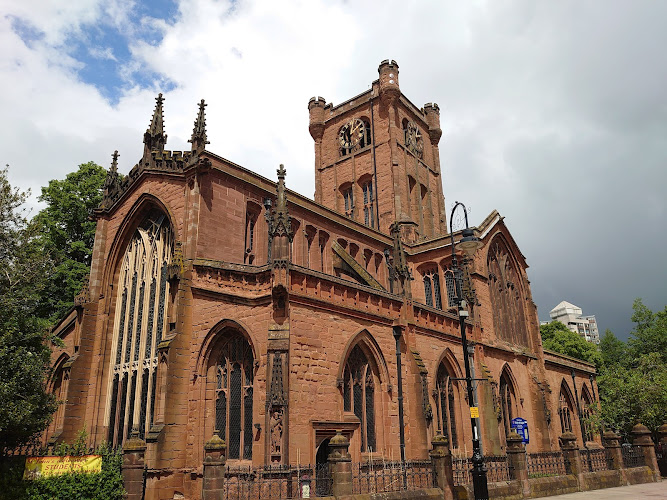
The church's restoration in 1734 marked a new chapter in its history. It was re-established as a parish church, serving the local community once again. In the 19th century, the church underwent significant restorations under the guidance of Sir George Gilbert Scott. Scott's first restoration, conducted between 1858 and 1861, focused on the exterior, transepts, and tower, costing £2,000. He renewed much of the exterior red sandstone, which had become weathered, and added turrets to the corners of the tower, enhancing its medieval architectural style. The second restoration, between 1875 and 1877, encompassed the nave and interior, at a cost of £6,000. These restorations were pivotal in preserving the church's historical architecture and ensuring its continued use as a place of worship. (gilbertscott.org)
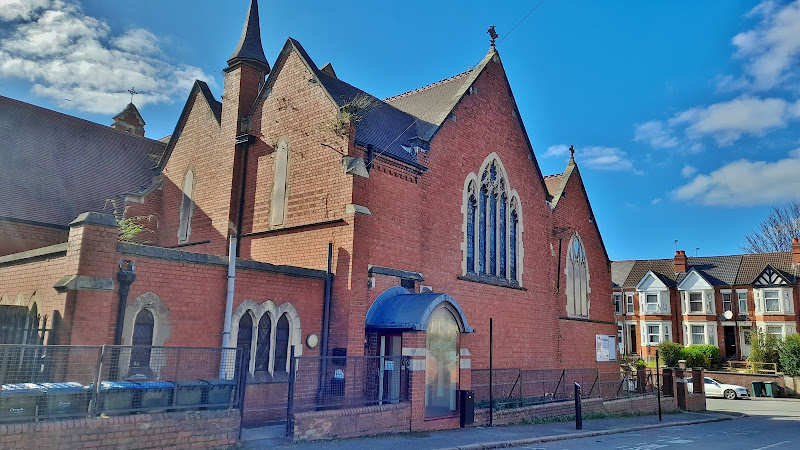
Architecturally, St John the Baptist Church is a remarkable example of medieval design. The church is renowned for its 14th-century carvings, including grotesque beasts, and a medieval alabaster carving of the Three Wise Men. These intricate carvings provide insight into the artistic sensibilities of the period and the church's role as a center of artistic expression. A unique feature is a relic of Saint Valentine of Rome, displayed on the altar during Mass on Saint Valentine's Day. This relic adds a layer of historical and religious significance to the church, attracting visitors and pilgrims interested in its unique heritage. (nationalchurchestrust.org)
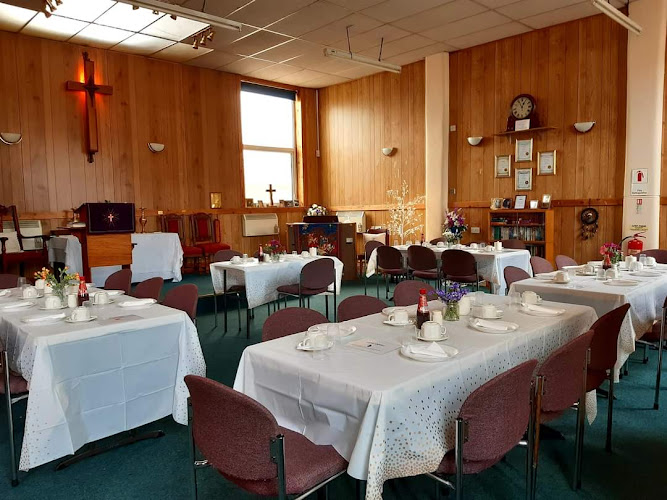
Today, St John the Baptist Church serves as an active parish church in the Traditional Anglo-Catholic tradition. It offers services and community events, fostering a vibrant spiritual community. The church is open from 10.00am to 12.00noon every Saturday, providing a space for private prayer, peace, and tranquility. Saturday mornings also serve as a time when the Rector is available to discuss matters such as Christenings, weddings, or other church-related inquiries. The church's community café operates on Saturday mornings, offering a welcoming and friendly space for visitors to meet old friends and make new ones. This café is part of the church's broader commitment to community engagement and support. (achurchnearyou.com)
Visitors to the church can explore its historical architecture, stained glass windows, and participate in various activities. The church's location in the medieval Spon Street adds to its charm, offering visitors a glimpse into Coventry's rich history. The church's commitment to accessibility is evident in its facilities, including a ramp for wheelchair access, assistance dogs are welcome, and an accessible toilet. The church also hosts concerts and live music events, contributing to Coventry's vibrant cultural scene. Additionally, the church supports the Street Pastors in the city, reflecting its active role in community service and outreach. (achurchnearyou.com)
In summary, St John the Baptist Church is a significant historical and architectural landmark in Coventry. Its rich history, architectural beauty, and active role in the community make it a noteworthy destination for visitors interested in Coventry's heritage and culture.
Location