About this place
Discover Bradgate House
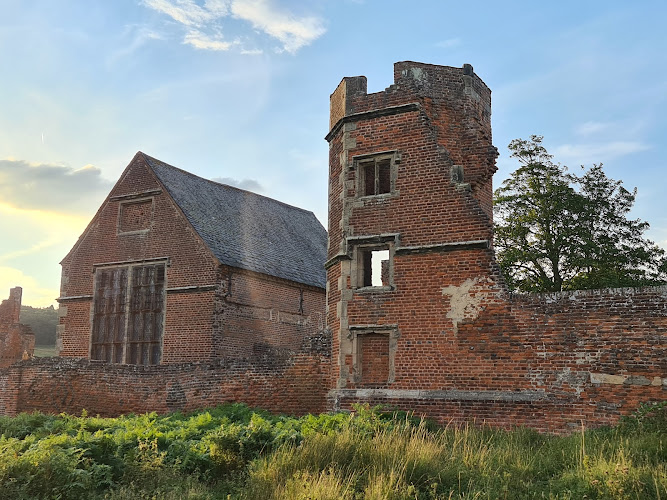
Bradgate House, situated within the picturesque confines of Bradgate Park near Newtown Linford in Leicestershire, England, stands as a testament to the architectural innovation and historical significance of the Tudor period. Constructed around 1520 by Thomas Grey, 2nd Marquess of Dorset, the house was among the earliest unfortified brick residences in England, reflecting a significant departure from the medieval tradition of building fortified manor houses. (en.wikipedia.org)
Historical Background
The origins of Bradgate House are deeply intertwined with the Grey family, a prominent lineage in English history. Edward Grey's son, Sir John Grey of Groby, married Elizabeth Woodville, who later became the wife of King Edward IV. Their son, Thomas Grey, 1st Marquess of Dorset, initiated plans for the construction of the house in the late 15th century. However, it was his son, the 2nd Marquess of Dorset, who completed the building around 1520. This period marked a transition in English architecture, moving away from the defensive structures of the medieval era to more comfortable and aesthetically pleasing residences. (en.wikipedia.org)
The Grey family occupied Bradgate House for nearly 250 years, during which it witnessed significant historical events. Notably, Lady Jane Grey, who became Queen of England for nine days in 1553, was born here in 1537. Her brief reign and subsequent execution have been subjects of extensive historical study, underscoring the house's connection to pivotal moments in English history. (historicengland.org.uk)
Architectural Features
Bradgate House was a substantial structure, approximately 200 feet in length, featuring a main hall measuring 80 feet by 40 feet. The design included four truncated towers, adding to its grandeur and defensive appearance. The chapel, which remains intact, contains a tomb effigy to the 1st Earl of Stamford and his wife, highlighting the family's continued association with the estate. The use of brick in its construction was innovative for the time, marking a significant advancement in building materials and techniques. (en.wikipedia.org)
Decline and Ruin
After the execution of Lady Jane Grey and her father, the 1st Duke of Suffolk, in 1554, the estate passed to the Crown. Local history suggests that groundskeepers marked the occasion of Jane's execution by pollarding the estate's oak trees in a symbolic beheading. Examples of pollarded oaks can still be seen in the park. In 1563, the family regained favor, and the Groby manor, including Bradgate, was restored to Jane's uncle, Lord John Grey of Pirgo. Sometime after 1739, they moved out of Bradgate, which began a long decline. The house fell into ruin between 1740 and 1750, and today, its remains offer a glimpse into the grandeur of Tudor architecture. (en.wikipedia.org)
Cultural Significance
The ruins of Bradgate House are not only a monument to Tudor architecture but also a symbol of the transient nature of power and fortune. The house's association with Lady Jane Grey, often referred to as the "Nine Days Queen," adds a layer of poignancy to its history. Her brief reign and tragic end have captivated historians and the public alike, making the site a focal point for those interested in the complexities of English history. (atlasobscura.com)
Visitor Information
Today, Bradgate House's ruins are accessible to the public through pathways in Bradgate Park. Visitors can explore the remains of the house, with information boards providing insights into its history and architectural features. The surrounding park offers a scenic backdrop, making it a popular destination for history enthusiasts and casual visitors alike. The park is also home to several herds of deer, and children are often seen paddling in the shallow River Lin, which runs through it. (en.wikipedia.org)
For those interested in a more in-depth exploration, the Bradgate Park Trust manages the park and offers resources and guided tours that delve into the rich history of the area. The Trust's efforts in preserving and interpreting the park's heritage provide visitors with a comprehensive understanding of the site's significance. (bradgatepark.org)
In summary, Bradgate House stands as a remarkable historical site, offering a window
Location