Historical landmark
Brunel Tunnel Under River Thames
London SE16 4NF
Brunel Museum
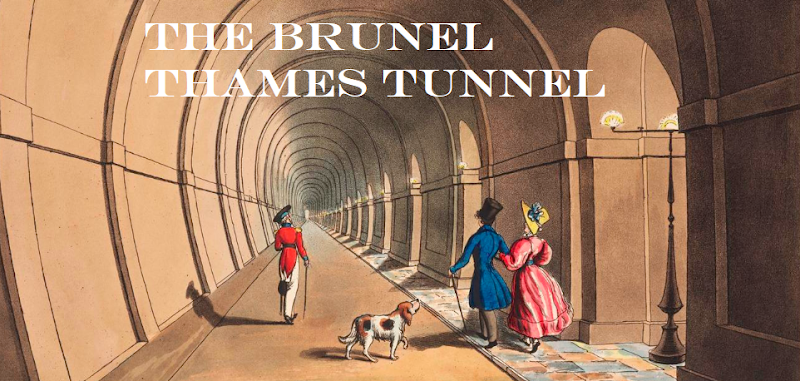
The Thames Tunnel, completed in 1843, was the first tunnel to be successfully constructed beneath a navigable river, connecting Rotherhithe and Wapping in London. Designed by French-British engineer Marc Isambard Brunel and his son, Isambard Kingdom Brunel, the tunnel was initially intended for horse-drawn traffic. However, it became primarily a pedestrian thoroughfare and a popular tourist attraction. (en.wikipedia.org)
The construction of the tunnel was a monumental engineering challenge. Brunel's innovative tunneling shield, a cast-iron structure, allowed workers to excavate the tunnel safely beneath the riverbed. Despite these advancements, the project faced numerous difficulties, including flooding, gas leaks, and the spread of disease among workers due to the unsanitary conditions. The tunnel was eventually completed after 18 years of laborious work. (en.wikipedia.org)
After its completion, the tunnel was opened to the public on 25 March 1843. It quickly became a major tourist attraction, drawing approximately two million visitors annually, each paying a penny to pass through. The tunnel also hosted annual fancy fairs, featuring panoramas, side shows, and scientific demonstrations. (urban75.org)
In 1865, the East London Railway Company purchased the tunnel for £800,000, and it began serving as a railway crossing in 1869. The tunnel was later incorporated into the London Underground system, becoming part of the East London Line. Today, it continues to serve as a vital transportation link, now part of the London Overground network. (en.wikipedia.org)
The Brunel Museum, located in Rotherhithe, is housed in the original Engine House built to house drainage pumps for the tunnel. The museum offers insights into the tunnel's construction and the Brunels' other engineering achievements. Visitors can explore exhibits, including a model of the tunneling shield and artifacts from the tunnel's use as a pedestrian thoroughfare. (en.wikipedia.org)
The Thames Tunnel's successful construction demonstrated the feasibility of underwater tunneling, paving the way for future projects like the Tower Subway, the Severn Tunnel, and the Mersey Railway Tunnel. Its innovative design and construction techniques have left a lasting legacy in civil engineering. (en.wikipedia.org)
Location
Place details
- Area
- London, London
- Country
- United Kingdom
- Map
- Open in maps