Church
St Marys Church Haddon, Peterborough
About this place
Discover St Marys Church Haddon, Peterborough
St Mary's Church, Haddon
St Mary's Church in Haddon, Peterborough, stands as a testament to the rich history and enduring faith of the local community. This Church of England parish church has been a focal point for worship, community gatherings, and historical reflection for centuries.
Historical Background
The origins of St Mary's Church trace back to the Domesday Survey of 1086, where a church in Haddon is mentioned. It is believed that the eastern wall of the nave belongs to this early period, providing a tangible link to the medieval past. (peterboroughchurches.com)
The architectural evolution of the church reflects the changing styles and needs of its congregation over the centuries. The chancel arch, dating from the 12th century, is a notable feature, showcasing a rounded arch with five tiers resting on scalloped capitals. This design exemplifies the craftsmanship and aesthetic preferences of the period. (peterboroughchurches.com)
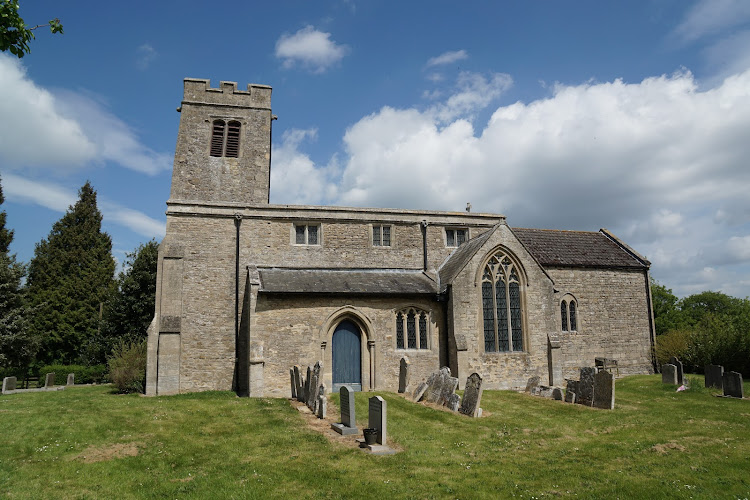
In the 13th century, the north and south aisles were added, expanding the church's capacity and accommodating a growing congregation. The clerestories, introduced in the 16th century, along with the addition of the tower, further enhanced the church's architectural grandeur. The tower is square and battlemented, rising above the western end of the extended nave, and is adorned with gargoyles peering out from the south wall of the nave. (peterboroughchurches.com)
Architectural Features
Inside the church, visitors are greeted by a bright and welcoming interior, especially when sunlight streams through the south windows. The chancel arch stands out as a fine example of 12th-century architecture, with its rounded arch and scalloped capitals. Over the chancel, fragments of a 15th-century wall painting depict a figure seated on a rainbow, likely representing Christ on the Day of Judgment. This painting is a remnant of a doom painting, a common medieval depiction of the Last Judgment. (peterboroughchurches.com)
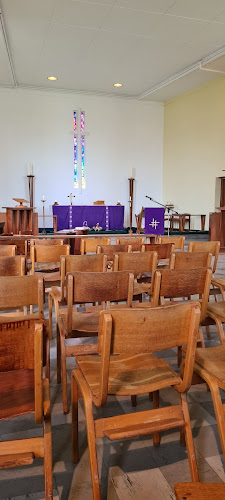
The chancel itself is simple and tasteful, featuring a small altar adorned with a cross and candlesticks, with a Bible open to the north side. A large memorial window in the chancel commemorates Lieutenant Cornwallis Jasper Trower, R.N., who was killed at the Battle of Majuba Hill in February 1881. The stained glass image of Christ crucified is central, flanked by depictions of St Michael and St George. Below the depiction of Christ crucified is an image of the Virgin Mary with the infant Jesus on her lap, with a coiled snake at Jesus' feet, symbolizing the triumph of good over evil. (peterboroughchurches.com)
Memorials and Artifacts
The church houses several notable memorials and artifacts. The font, thought to date from the 14th century, is plain and unadorned. Inside the church, against the north wall of the aisle, is a stone carving of a lion, which is said to have once belonged to a large monument. A floor slab in the chancel commemorates Samuel Morton, Rector here, who passed away in 1680. Looking upwards, a ceiling boss with an animal-like face, beard, and mustache appears to be wearing glasses, adding a touch of whimsy to the interior. (peterboroughchurches.com)
Bell Tower
The church is home to three bells. The first was originally cast by 15th-century bellfounder and winemaker John Danyell, who worked between 1450 and 1470. The other two bells date from the 16th century and were cast by Newcombe of Leicester. In the early 20th century, all three bells were recast by Taylor of Loughborough and rehung. (peterboroughchurches.com)
Church Grounds
The church grounds are peaceful, with a cluster of old gravestones near the south wall of the nave. Some of these stones date back to 1702, carved by the same hand, while others are older, with one bearing the initials WC and a date from the 16th century. These gravestones add
Location