About this place
Discover House of Wonders
House of Wonders
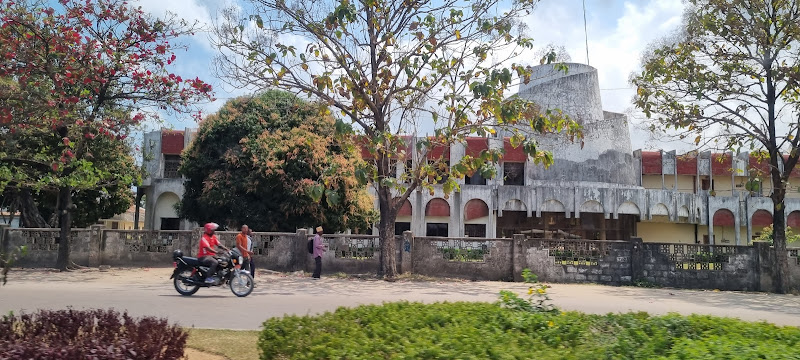
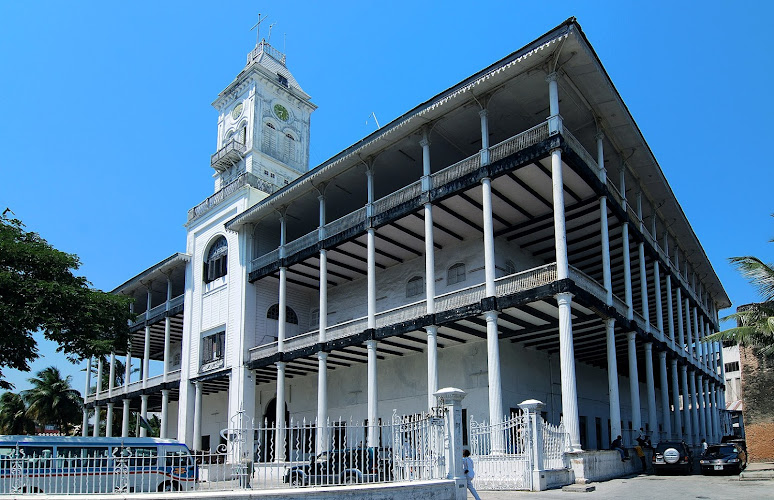
The House of Wonders, known locally as Beit al-Ajaib, stands as a monumental testament to Zanzibar's rich history and architectural innovation. Located in the heart of Stone Town, this iconic structure has witnessed centuries of cultural evolution, political upheavals, and technological advancements. Its story is intertwined with the legacy of the Sultans of Zanzibar and the broader narrative of the Swahili Coast.
Historical Background
In 1883, Sultan Barghash bin Said, the second Sultan of Zanzibar, commissioned the construction of the House of Wonders. As one of six palaces built by Sultan Barghash, it was intended as a ceremonial palace and official reception hall, symbolizing the Sultanate's modernity and sophistication. The building's design is attributed to a British marine engineer, introducing new architectural elements into the Zanzibar repertoire, including expansive external verandas supported by cast-iron columns, allowing for unusually high ceilings. (en.wikipedia.org)
The construction materials comprised a unique blend of coral rag, concrete slabs, mangrove shoots (boriti), and steel beams. This combination not only provided structural integrity but also reflected the resourcefulness and adaptability of the builders. The House of Wonders was also the first building in Zanzibar to have electricity and the first in East Africa to have an elevator, earning it the name "House of Wonders." (en.wikipedia.org)
Architectural Significance
The House of Wonders introduced a radical new style to Zanzibar's architectural landscape. Unlike the traditional coral-stone mansions of Stone Town, the building featured massive, multi-tiered external verandas supported by slender cast-iron columns imported from Scotland. These verandas provided shade and ventilation, essential in the tropical climate, and allowed for unusually high ceilings, creating a sense of openness and grandeur. The building's design also incorporated elements of Swahili and Arab architectural styles, with large windows and intricate carvings, giving it a majestic and distinctive appearance. (zanzibar-island.com)
Cultural and Political Role
Beyond its architectural marvel, the House of Wonders played a pivotal role in the cultural and political life of Zanzibar. It served as a ceremonial palace and official reception hall, hosting dignitaries and foreign visitors, and
Location