attractions
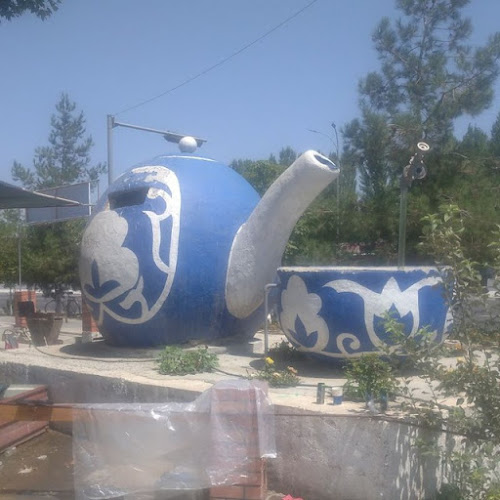
Teapot Bowl (Choynak Piyola)
About this place
Discover Teapot Bowl (Choynak Piyola)
Teapot Bowl (Choynak Piyola)
The Teapot Bowl, or "Choynak Piyola" in Uzbek, is a quintessential element of Uzbekistan's tea culture, reflecting the nation's deep-rooted traditions and artistic heritage. This traditional ceramic tea set comprises a teapot (choynak) and matching cups (piyola), each piece meticulously handcrafted and adorned with intricate national patterns. The vibrant colors—deep black, gold, green, red, and turquoise—are not merely decorative but carry significant cultural symbolism, representing various aspects of Uzbek life and beliefs.
Historical Significance
Tea has been an integral part of Central Asian culture for centuries, serving as a symbol of hospitality, social connection, and daily ritual. The tradition of tea drinking in Uzbekistan is believed to have been influenced by the Silk Road, which facilitated cultural exchanges between the East and the West. Over time, tea became more than just a beverage; it evolved into a central element of social gatherings, ceremonies, and familial bonds.
The Choynak Piyola set embodies this rich history, serving as a tangible link to the past. The designs on these ceramic pieces often feature motifs inspired by nature, geometric patterns, and traditional symbols, each carrying its own significance. For instance, floral patterns may symbolize prosperity and growth, while geometric designs can represent harmony and balance. These motifs are not only aesthetically pleasing but also serve as a testament to the cultural and artistic traditions of the region.
Cultural and Social Context
In Uzbekistan, the act of sharing tea is a deeply ingrained social practice. It transcends mere refreshment, acting as a medium for conversation, bonding, and the exchange of ideas. The Choynak Piyola set plays a central role in these interactions, whether in casual gatherings among friends and family or in more formal ceremonies. The elaborate designs on these ceramic pieces often serve as conversation starters, allowing individuals to connect over shared appreciation for art and tradition.
The tea-drinking ritual is also associated with various customs and etiquettes. For example, it is customary to serve tea in small, handleless cups, allowing the drinker to appreciate the warmth and aroma fully. The tea is often poured from a height, creating a slight froth, which is considered a mark of skill and tradition. These practices highlight the importance of tea in fostering social bonds and cultural identity.
Artistic Craftsmanship
The production of Choynak Piyola sets is a meticulous process that showcases the exceptional craftsmanship of Uzbek artisans. Artisans begin by selecting high-quality clay, which is then shaped into the desired forms using traditional techniques. Once the basic shapes are formed, the pieces are left to dry to a leather-hard consistency before being fired in a kiln. This initial firing, known as bisque firing, hardens the clay and prepares it for glazing.
After the bisque firing, the pieces are coated with a layer of glaze, which serves both as a protective layer and a medium for the application of decorative designs. The glazing process is followed by the application of intricate patterns, often using a combination of painting and stamping techniques. These designs are inspired by a variety of sources, including nature, architecture, and traditional symbols. The use of vibrant colors is a hallmark of Uzbek ceramics, with each color chosen for its symbolic meaning and aesthetic appeal.
The final step involves a second firing, known as glaze firing, which vitrifies the glaze and sets the decorative patterns. This process can take several days, depending on the size and complexity of the pieces. The result is a durable, glossy finish that enhances the colors and designs, making each Choynak Piyola set a unique work of art.
Cultural Significance of Designs
The designs on Choynak Piyola sets are rich in symbolism and cultural significance. Floral motifs, for example, are prevalent and often symbolize prosperity, fertility, and the beauty of nature. Geometric patterns, such as spirals and interlocking shapes, represent
Location