About this place
Discover Mosque
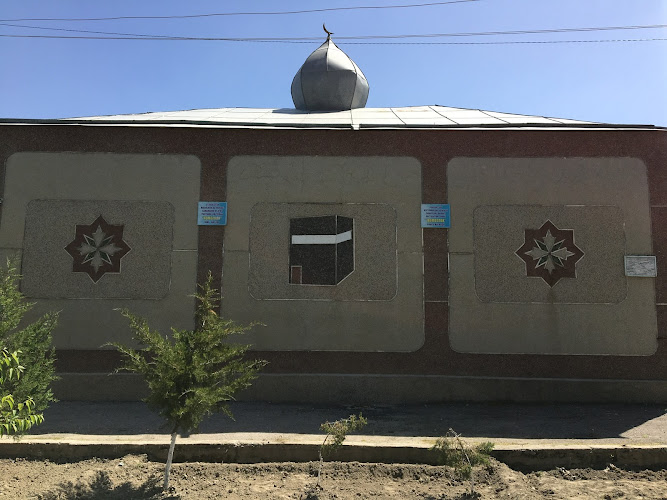
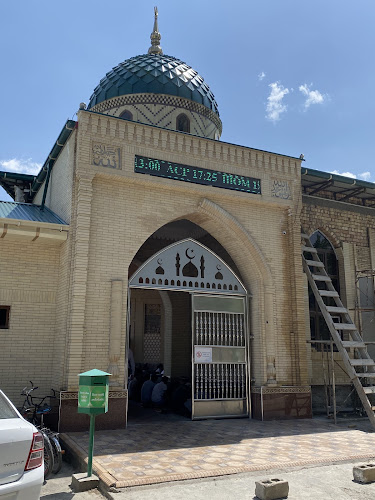
The Domla Kamoliddin Okhun Mosque, located at JWJR+3X7 in Samarkand, Uzbekistan, stands as a testament to the city's rich Islamic heritage and architectural grandeur. Samarkand, often referred to as the "Jewel of the East," has long been a crossroads of cultures, religions, and architectural styles. This mosque, nestled in the heart of the city, encapsulates the essence of Samarkand's historical and cultural significance.
Historical Background
Samarkand's history dates back over 2,500 years, with its strategic position along the Silk Road making it a melting pot of various civilizations. The city has witnessed the rise and fall of empires, each leaving an indelible mark on its landscape. The Timurid era, in particular, was a golden age for Samarkand, marked by architectural innovation and cultural flourishing. The Domla Kamoliddin Okhun Mosque, constructed during this period, reflects the artistic and religious fervor of the time.
Architectural Significance
The mosque's architecture is a harmonious blend of Persian and Central Asian styles, characterized by its grand domes, intricate tile work, and towering minarets. The use of blue and turquoise tiles, adorned with geometric patterns and calligraphic inscriptions, is a hallmark of Timurid architecture. The mosque's façade is embellished with ornate decorations, including floral motifs and verses from the Quran, showcasing the artisans' attention to detail and devotion.
The prayer hall is spacious, with high ceilings supported by slender columns, creating an atmosphere of openness and serenity. The mihrab, indicating the direction of Mecca, is intricately designed, serving as a focal point for worshippers. The mosque's minarets, rising majestically, not only serve as architectural features but also as symbols of the Islamic faith, calling the faithful to prayer.
Cultural and Religious Importance
Beyond its architectural beauty, the mosque holds profound cultural and religious significance. It has been a center for worship, education, and community gatherings for centuries. The mosque's serene environment provides a peaceful retreat for both locals and visitors seeking spiritual solace. Its role in the community extends beyond religious practices, serving as a hub for cultural exchange and social interaction.
Notable Events and Figures
Throughout its history, the mosque has been associated with various notable events and figures. It has witnessed the ebb and flow of empires, the spread of Islamic scholarship, and the evolution of Samarkand's urban landscape. The mosque's association with prominent religious scholars and leaders has further cemented its status as a beacon of Islamic learning and spirituality.
Visitor Information
Today, the Domla Kamoliddin Okhun Mosque continues to attract visitors from around the world. Its architectural splendor and historical significance make it a must-visit destination for those interested in Islamic architecture and history. Visitors are encouraged to dress modestly and respect local customs when entering the mosque. Guided tours are available, providing deeper insights into the mosque's history, architecture, and cultural context. The mosque's location in Samarkand, a city renowned for its rich history and cultural heritage, adds to its appeal. Exploring the mosque offers a glimpse into the past while serving as a vibrant center of faith in the present.
In conclusion, the Domla Kamoliddin Okhun Mosque is more than just a place of worship; it is a living monument to Samarkand's enduring legacy. Its architectural beauty, historical depth, and cultural significance make it a cornerstone of the city's identity, reflecting the spirit and resilience of its people through the ages.
Location