About this place
Discover Medano
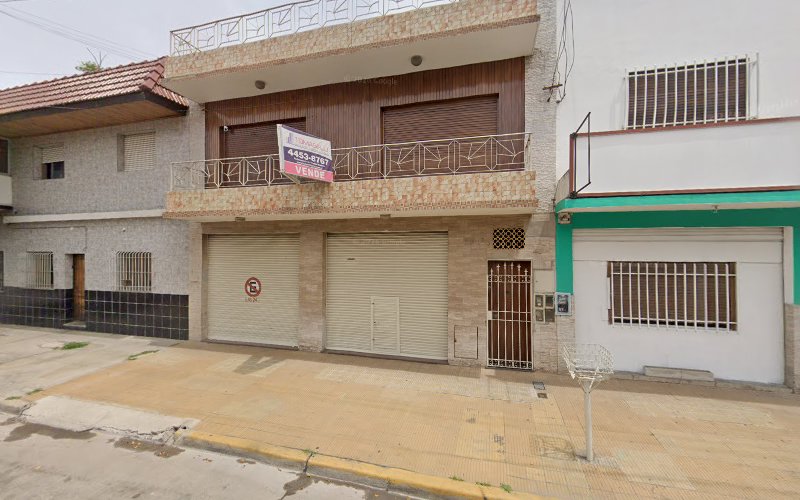
The address provided corresponds to a location in Villa Madero, a city in the La Matanza Partido of Buenos Aires Province, Argentina. Villa Madero is situated within the Greater Buenos Aires area and is bordered by the Autonomous City of Buenos Aires and other localities such as La Tablada, Tapiales, and Ciudad Celina. The city is well-connected to Buenos Aires and the rest of the metropolitan area through various transportation routes, including the General Paz Avenue, Riccheri Highway (National Route A002), Belgrano Sur Railway Line, and several key avenues. As of the latest census, Villa Madero has a population of approximately 100,000 residents, making it the ninth most populous locality in the partido.
Historical Background
The lands that now constitute Villa Madero were originally inhabited by the Querandíes, a semi-nomadic indigenous group known for their warrior culture and physical prowess. Following the Spanish colonization in the 16th century, the area underwent various ownership changes. In 1615, Hernando Arias de Saavedra granted a 600-vara-wide by one-league-deep plot to the conquistador Pedro Gutiérrez, marking the first known ownership of the land. Over the next two centuries, the property changed hands multiple times through transfers, successions, and sales.
In 1775, Martín José de Altolaguirre acquired the property and introduced innovative land division methods, such as using cactus fences to demarcate fields and pastures. This practice led to the area being referred to as "los Tapiales de Altolaguirre." In October 1808, Altolaguirre sold the property to Francisco Ramos Mejía and María Antonia Segurola. After their deaths, their four surviving children inherited the land. Marta Ramos Mejía, married to Francisco Bernabé Madero, Vice President of Argentina under President Julio A. Roca, received one of the lots.
In 1880, Argentina underwent significant institutional and economic transformations. The municipal slaughterhouse was relocated to more distant areas, prompting the establishment of factories for tallow and its derivatives in the region. This industrial shift attracted the first residents, who took advantage of numerous land subdivisions to build homes. The influx of immigrants, encouraged by government policies, led to a housing shortage, spurring the development of several peripheral populations. One such settlement, "Villa Las Fábricas," began to form between 1896 and 1900. Early 20th-century censuses already mentioned this burgeoning population. By 1905, the population was substantial enough to warrant the inauguration of a school on Pedernera Street, School No. 9.
Another notable development was "Villa Circunvalación," a small town that originated around 1908 due to a subdivision by the real estate company "La Franco Argentina," which also owned the railway and in which the Madero and Ramos Mejía families held shares. This subdivision was conducted near the station (then called Estación Boulevard Circunvalación), just two blocks from Villa Las Fábricas. These two populations grew and eventually merged into a single settlement, which, in 1913, began to be known as "Villa Madero" following the renaming of the railway station.
Modern Developments
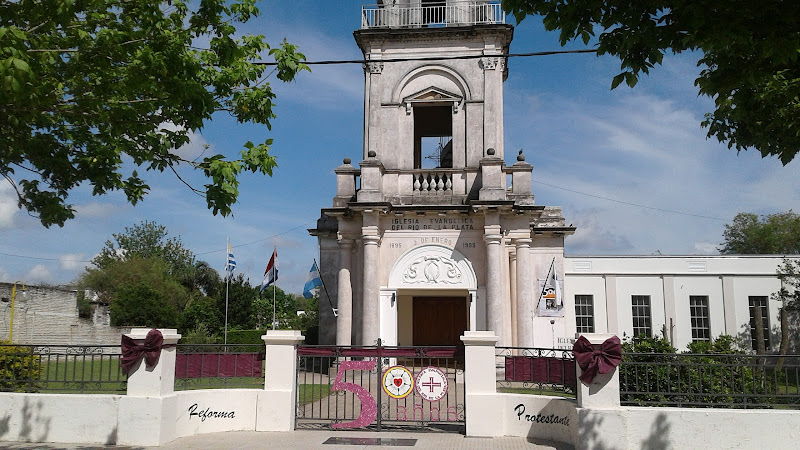
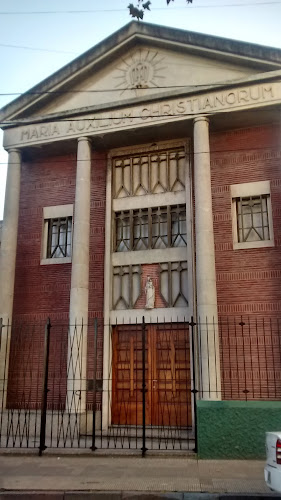
In recent years, Villa Madero has experienced significant growth and development. The city celebrated its 40th anniversary as a city on November 22, 2016. Culturally, Villa Madero honors its heritage by commemorating figures like Francisco Bernabé Madero, with a bust erected in his honor in 2015. The city is also home to several religious institutions, including the Nuestra Señora de la Guardia Parish, San José Obrero Parish, San Carlos Borromeo and Inmaculada Concepción Parishes, and the Sagrado Corazón de Jesús Parish in Ciudad Celina.
Transportation and Accessibility
Villa Madero boasts a well-developed transportation infrastructure that facilitates easy access to Buenos Aires and other parts of the Greater Buenos Aires area.
Location