Mosque
Tangier Grande Mosque
About this place
Discover Tangier Grande Mosque
Grand Mosque of Tangier
The Grand Mosque of Tangier, also known as the Great Mosque, stands as a testament to the rich tapestry of Tangier's history and architectural evolution. Situated in the heart of the city's old medina, this mosque has been a focal point of religious and cultural life for centuries.
Historical Significance
The origins of the mosque trace back to the 8th century during the Umayyad period, when a grand mosque was established on this site following the Muslim conquest of Tangier. Over the centuries, the mosque underwent several transformations, especially during periods of foreign occupation. Notably, during the Portuguese era in the 15th century, the mosque was converted into a cathedral. After the Portuguese evacuation in 1684, Sultan Moulay Ismail of the Alaouite dynasty reclaimed the city and ordered the conversion of the cathedral back into a mosque. Recognizing its deteriorating condition, Sultan Moulay Slimane commissioned a comprehensive reconstruction in 1815, culminating in the mosque's current form completed in 1817–1818. (next.archnet.org)
Architectural Features
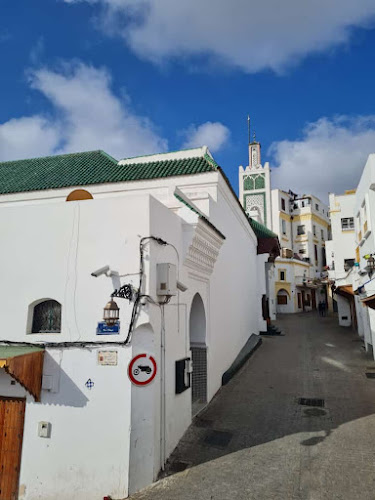
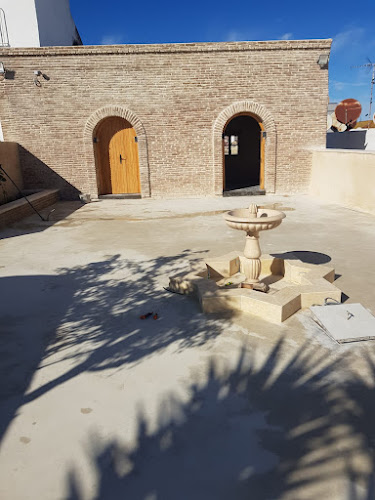
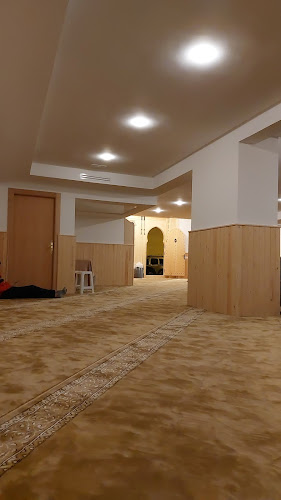
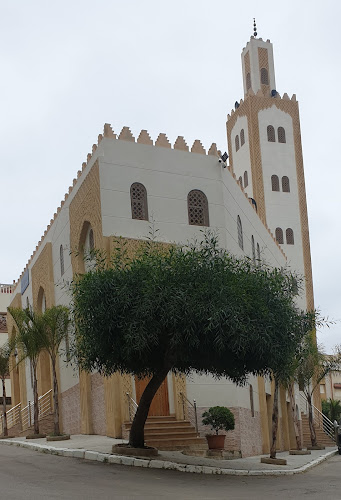
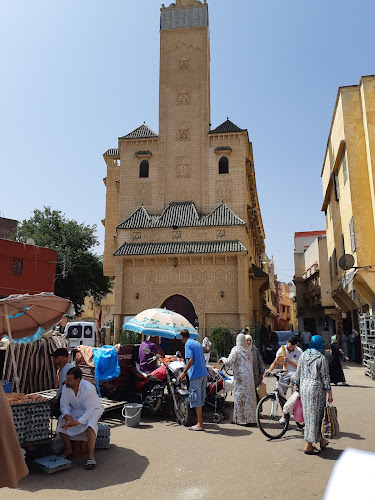
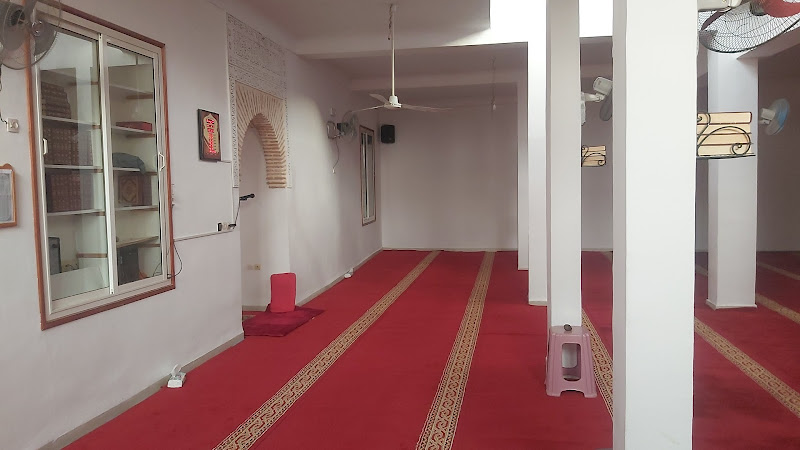
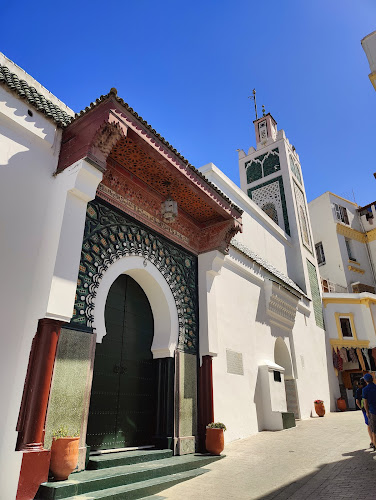
The mosque's architecture reflects the quintessential Alawite style, characterized by its simplicity and elegance. The structure is rectangular, with its longitudinal axis rotated forty-five degrees counter-clockwise to align with the qibla, the direction of prayer. A prominent feature is its minaret, located at the northwest corner, which is entirely covered in white stucco, adorned with colorful tilework in blind arcades on each level. The interior comprises a hypostyle prayer hall divided into seven rows by seven columns, leading to a central mihrab, the niche indicating the direction of prayer. Surrounding the central courtyard are porticos decorated with intricate mosaics and ceramic tiles, exemplifying traditional Moroccan craftsmanship. (next.archnet.org)
Cultural and Social Role
Beyond its religious significance, the mosque has historically been a center of civic life. Adjacent to the mosque were various institutions, including a hospital for the mentally ill, a madrasa (school), and a house for washing the bodies of the deceased, reflecting the mosque's role in community welfare. Its central location near the Inner Market (formerly the Roman Forum) underscores its importance in the city's social and economic activities. (wikiterminal.com)
Visiting the Mosque
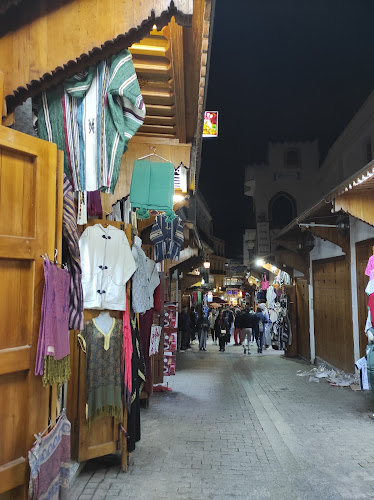
While the mosque remains an active place of worship, non-Muslim visitors can admire its exterior beauty and the surrounding areas. The mosque's location near the Grand Socco, a bustling public square, offers visitors a glimpse into the vibrant life of Tangier's medina. The mosque's large minaret is visible from various points in the city, serving as a landmark and a testament to Tangier's rich history. (tanger.city-tour.com)
In essence, the Grand Mosque of Tangier is not merely a place of worship but a symbol of the city's resilience, cultural fusion, and historical depth. Its enduring presence continues to inspire awe and reverence, reflecting the spirit of Tangier through the ages.
Location