Mosque
Mosquée El Fath
Mosquée El Fat'h, Tanger 90060, Morocco
Mosquée El Fath
Situated in the heart of Tangier's medina, the mosque stands as a testament to the city's rich Islamic heritage. Its strategic location near the Petit Socco and the sea walls underscores its historical significance. The mosque's architecture is a harmonious blend of traditional Moroccan design and the unique influences that have shaped Tangier over the centuries.
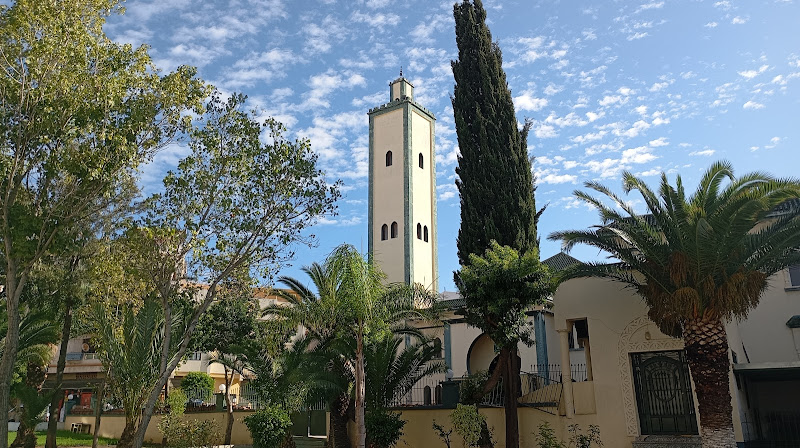
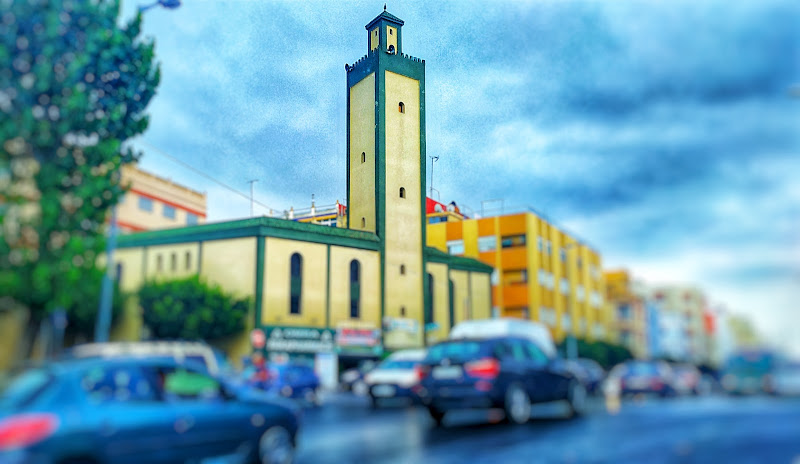
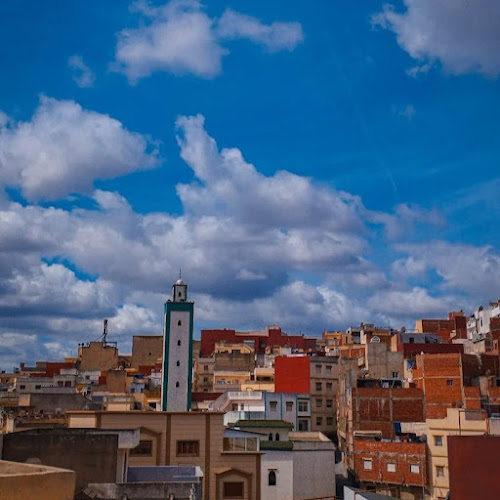
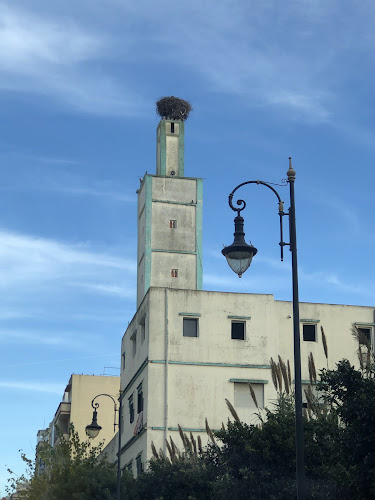
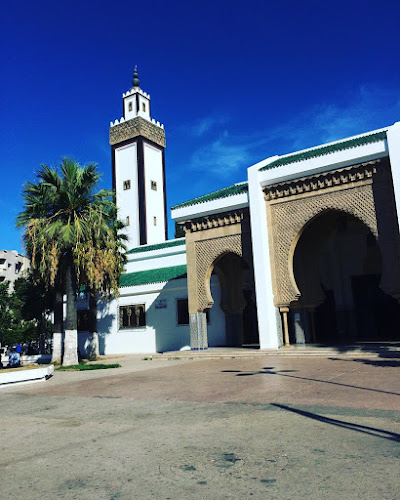
The mosque's minaret is a notable feature, reflecting the traditional Moroccan architectural style. Its square shaft is adorned with geometric motifs and blind arches outlined in white stucco, with green and multicolored tile mosaics filling the spaces between the arches. This design is characteristic of the Alaouite-era minarets, which are known for their distinctive decorative elements. (en.wikipedia.org)
The main entrance to the mosque is marked by a monumental horseshoe arch, a common architectural element in Moroccan mosques. The arch is decorated with green ceramic tiles up to the level of the impost, with unadorned white stucco tracing the shape of the horseshoe over the opening. The spandrel between the white face of the arch and the green ceramic cornice is decorated with intricate orange and green tilework forming geometric patterns. A projecting second cornice extends the green tile roof out over the sidewalk and the two steps that lead up to the arched threshold, creating a shallow porch at the point of entry into the mosque. (next.archnet.org)
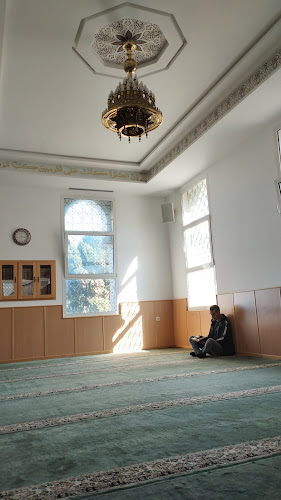
Inside, the mosque features a square courtyard with a central fountain, around which are indoor galleries and the main prayer hall. The galleries and prayer hall are interior hypostyle spaces marked by rows of arches. The galleries to the southwest and northeast of the courtyard are two aisles deep, while the gallery to the northwest (on the side of the main entrance) is only one row deep. The main prayer hall, which extends from the courtyard towards the qibla (direction of prayer) and the mihrab (niche symbolizing the direction of prayer), is three aisles deep. Behind the mihrab wall at the far end are a few rooms that were historically used, or are still used, as a library, imam's chamber, and funeral mosque (for conducting funerary rites before the burial of a body), all accessed from within the mosque. (en.wikipedia.org)
The mosque's location near the Petit Socco, a bustling square in the medina, places it at the heart of Tangier's social and cultural life. Its proximity to the sea walls also highlights its historical role in the city's defense and maritime activities. The mosque's architecture and location reflect the rich tapestry of Tangier's history, influenced by various cultures and civilizations over the centuries.
Visitors to the mosque can appreciate its architectural beauty and gain insight into the Islamic architectural heritage of Morocco. The mosque's design elements, such as the horseshoe arch and the decorative tilework, are emblematic of Moroccan mosque architecture. Its location in the medina, a UNESCO World Heritage site, further underscores its cultural and historical significance.
Location
Place details
- Area
- Idrissia, Tangier
- Country
- Morocco
- Map
- Open in maps