Mosque
Khalilieh Mosque (مسجد خليلية)
About this place
Discover Khalilieh Mosque (مسجد خليلية)
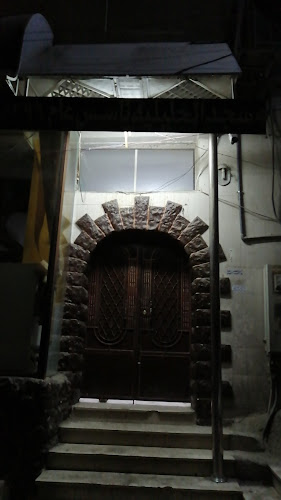
The Khalilieh Mosque, situated in the Al Khalidiyyah district of Makkah, Saudi Arabia, stands as a testament to the city's rich Islamic heritage and architectural evolution. While detailed historical records about the mosque's origins and architectural specifics are scarce, its location in Makkah—a city renowned for its profound religious significance and unique architectural styles—provides valuable context for understanding its role and importance.
Historical Context
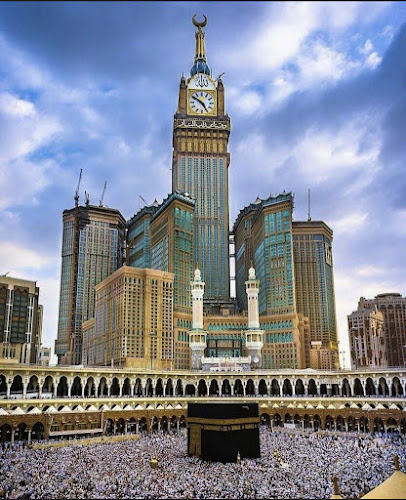
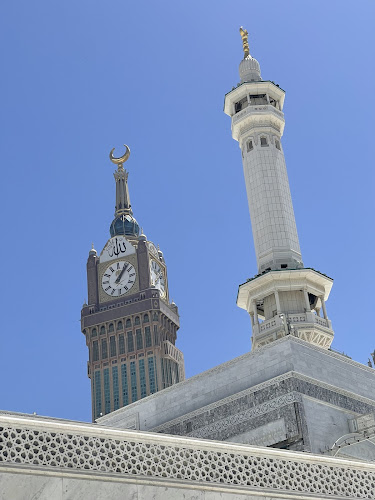
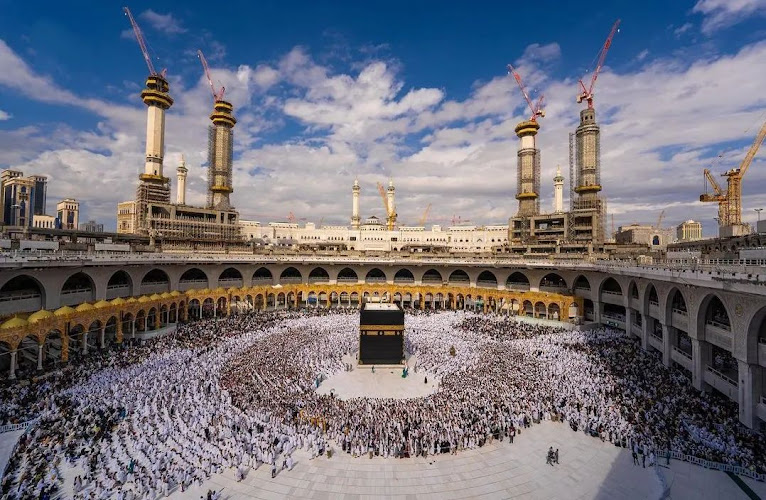
Makkah, the birthplace of the Prophet Muhammad and the site of the Kaaba, holds unparalleled significance in Islam. Over the centuries, the city has undergone numerous transformations, especially with the increasing number of pilgrims and the expansion of the Grand Mosque (Al-Masjid al-Haram). These developments have led to the demolition of several historic structures to accommodate the growing influx of visitors. For instance, the Al-Rayah Mosque, located in the Al-Judariyyah district, was demolished in 1431 AH as part of the northern expansion project of the Grand Mosque. (en.wikipedia.org)
Architectural Significance
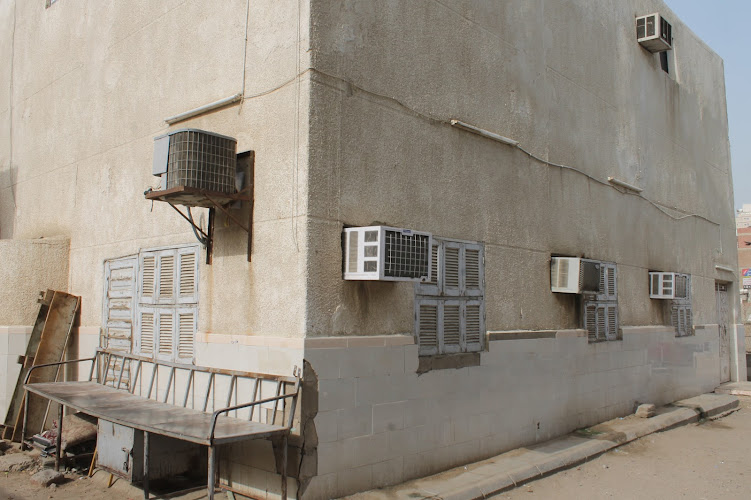
Makkah's traditional architecture is characterized by elements designed to adapt to the city's hot and dry climate, as well as its rugged mountainous terrain. Key architectural features include:
- Roushan: A wooden structure covering the openings of upper floors, providing shade and privacy.
- Qalalib: Small wooden sunbreakers that control the amount of light entering rooms and shield interiors from direct sunlight.
- Kharja: The rooftop of a house, often with high walls built of small bricks.
- Shawabir: Openings between the walls of the Kharja, allowing for ventilation and light.
These elements not only address environmental challenges but also reflect the socio-cultural aspects of Makkah's residents. However, the rapid modernization and expansion of the Grand Mosque have led to the disappearance of many traditional architectural vocabularies, replaced by modern elements that sometimes feel disconnected from the city's historical identity. (sciencedirect.com)
Cultural and Religious Importance
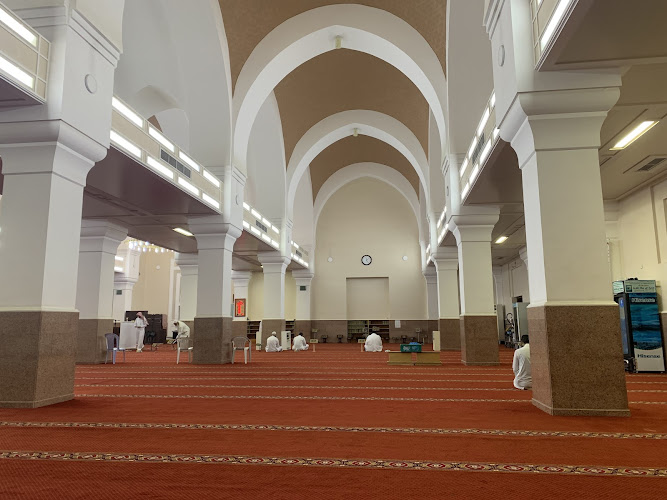
Despite the challenges posed by urbanization and modernization, the Khalilieh Mosque continues to serve as a vital center for worship and community activities. Its presence in the Al Khalidiyyah district underscores the enduring spiritual significance of Makkah, even as the city evolves. The mosque's role in the daily lives of its congregants highlights the resilience of Islamic traditions amidst changing times.
Visitor Information
While specific visitor information about the Khalilieh Mosque is limited, visitors to Makkah are encouraged to explore the city's rich architectural heritage. Engaging with local guides can provide deeper insights into the mosque's history and its place within the broader context of Makkah's religious and cultural landscape.
In conclusion, the Khalilieh Mosque embodies the spirit of Makkah—a city that honors its past while embracing the future. Its continued presence in the Al Khalidiyyah district serves as a reminder of the enduring importance of faith and community in the heart of Islam.
Location