Buddhist temple
Wat Phra Sri Mahathat, Pavilion 2 (วัดพระศรีมหาธาตุ ศาลา 2)
About this place
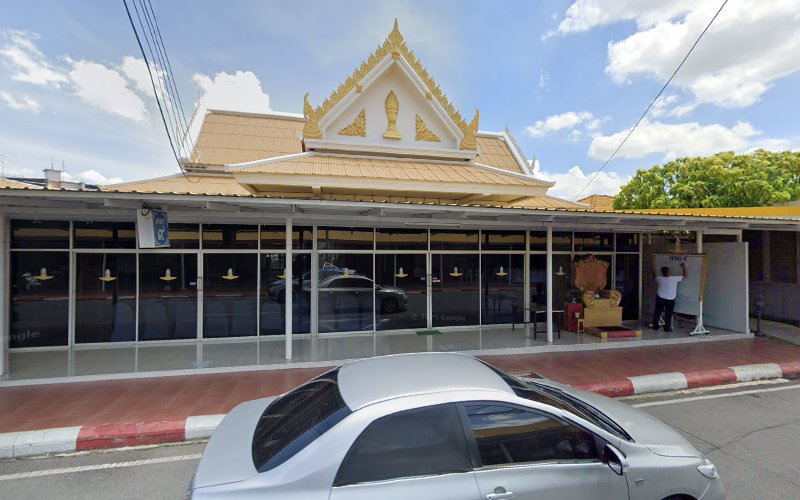
Discover Wat Phra Sri Mahathat, Pavilion 2 (วัดพระศรีมหาธาตุ ศาลา 2)
Wat Phra Sri Mahathat Woramahawihan, commonly known as Wat Phra Sri Mahathat, is a prominent Buddhist temple situated in Bangkok's Bang Khen District. Established in 1941 during the administration of Prime Minister Plaek Phibunsongkhram, the temple was initially named Wat Prachathipatai, or "Temple of Democracy," to commemorate Thailand's transition to constitutional rule following the 1932 revolution. The temple's construction was intended to symbolize the government's victory over royalist forces during the Boworadet Rebellion of 1933. (en.wikipedia.org)
The temple's establishment was a significant event in Thailand's history, reflecting the nation's shift from absolute monarchy to a constitutional monarchy. The Khana Ratsadon (People's Party), which orchestrated the 1932 revolution, sought to integrate democratic principles with Thailand's rich Buddhist heritage. By commissioning the temple, they aimed to demonstrate that democracy was not foreign to Thai culture but could be harmoniously integrated with Buddhism. (nationthailand.com)
In 1940, Rear Admiral Thawal Thamrong Navaswadhi, a special envoy, traveled to British India to obtain sacred Buddhist relics. He returned with a piece of the Buddha's relic from the Dharmarajika Stupa in Taxila (modern-day Pakistan), five branches of the Bodhi Tree from the Mahabodhi Temple, and soil samples from various sacred Buddhist sites. These relics were enshrined in the temple, leading to its renaming to Wat Phra Sri Mahathat, meaning "Temple of the Sacred Relics." (en.wikipedia.org)
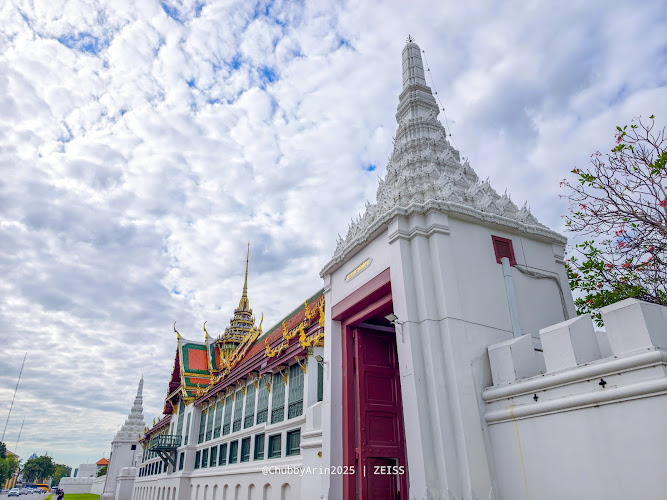
The temple's architecture reflects a blend of traditional Thai design and modernist influences. The main stupa, or chedi, is a bell-shaped structure built in the early 13th century style, believed to house the Buddha's relics. Surrounding the base of the stupa are 22 sculpted standing elephants, symbolizing the Twenty-twofold Spiritual Faculties in Theravada Buddhism. The spire of the stupa is adorned with gold leaf and precious stones, standing at 10.89 meters tall. (en.wikipedia.org)
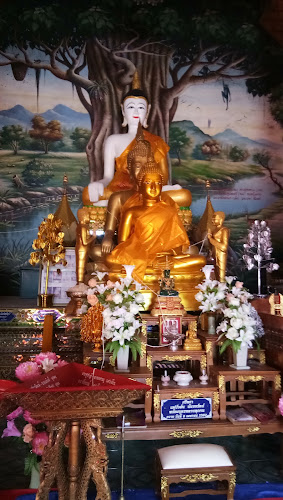
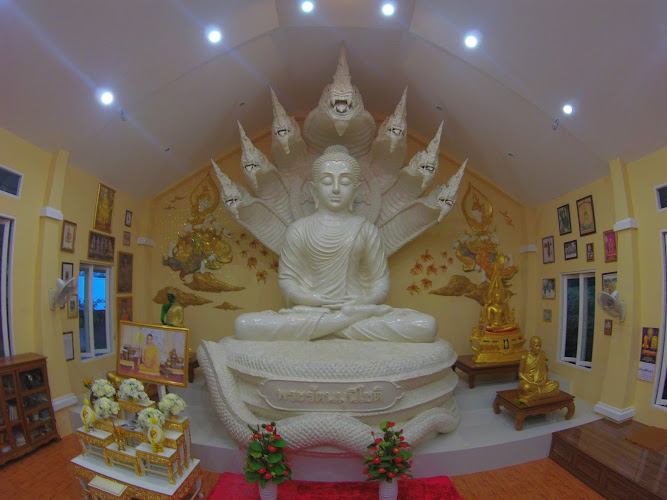
The temple complex is divided into two main areas: the Buddha-avasa, the sacred area for religious activities, and the Sangha-avasa, the residential area for monks. The cloister surrounding the main stupa is covered with colored tiles and houses numerous Buddha images, with the oldest being a Sukhothai-style image dating from the 13th–14th century CE. Additionally, there are 158 minor chedis containing the ashes and bones of Buddhist devotees. (en.wikipedia.org)
The temple's design and construction were influenced by the modernist spirit of the period, fusing traditional Thai forms with contemporary design elements. The clean lines and geometric simplicity of the main stupa represented a break from the ornate grandeur of royal temples, aligning with the Khana Ratsadon's vision of a modern nation. This architectural approach was intended to symbolize the government's commitment to modernization and democratic principles. (nationthailand.com)
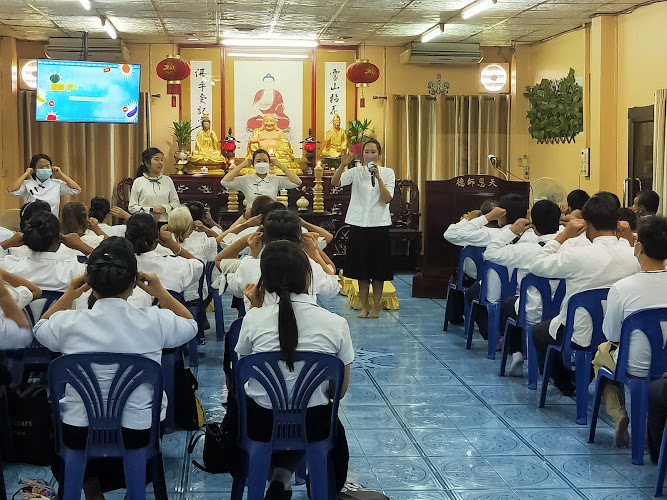
Wat Phra Sri Mahathat serves as a center for Buddhist learning and practice, offering meditation courses and religious ceremonies. Its unique history and architectural features make it
Location