Historical landmark
Wat Kumkam Teepram No.1 Abandoned Temple Ruins
About this place
Discover Wat Kumkam Teepram No.1 Abandoned Temple Ruins
Wat Kum Kam No. 1
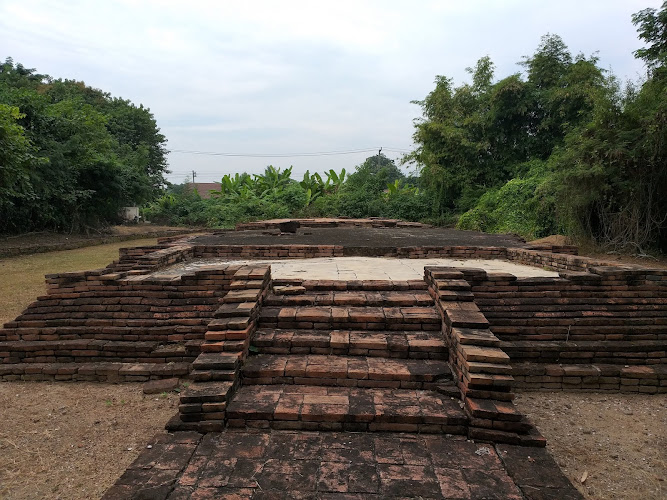
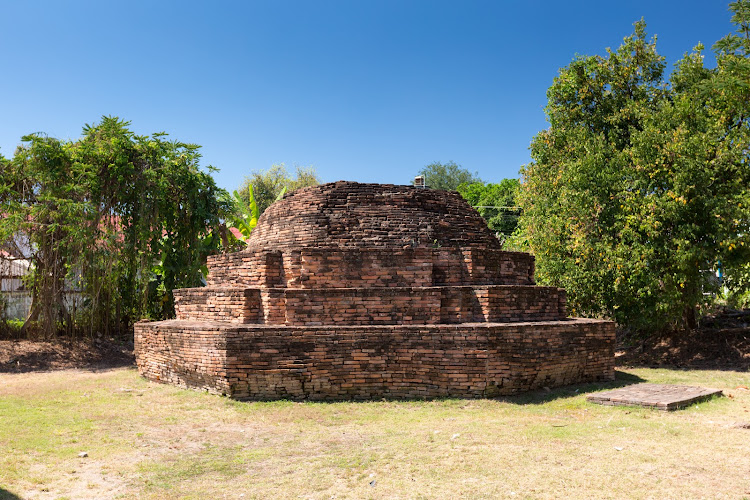
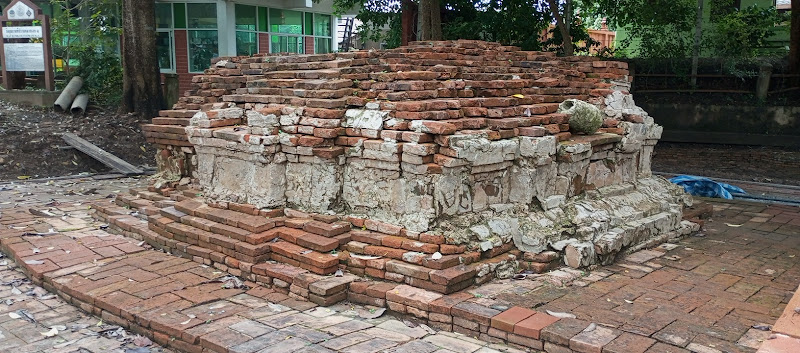
Wat Kum Kam No. 1 is a notable temple ruin situated within the Wiang Kum Kam archaeological site, approximately 5 kilometers south of Chiang Mai's Old City. This temple exemplifies the traditional Lanna architectural style, characterized by its vihara (assembly hall) and stupa (chedi). Distinctively, Wat Kum Kam No. 1 faces north, a unique orientation among the temples in the area.
Historical Background
Wiang Kum Kam, often referred to as the "Lost City" of Chiang Mai, was established by King Mengrai in 1286 as the capital of the Lanna Kingdom. The city's location near the Ping River provided fertile land and strategic positioning for trade and agriculture. However, the area was prone to flooding, which led to the city's abandonment in the 16th century. Over time, Wiang Kum Kam was buried under layers of sediment and remained hidden until archaeological excavations in the 1980s uncovered its ruins. (scmp.com)
Archaeological Excavations
Between 2002 and 2003, archaeologists from Thailand's Fine Arts Department conducted excavations at Wat Kum Kam No. 1. These efforts revealed a modest brick base of the stupa, now about one meter below the current ground level, indicating that the structure was once more prominent. Sections of an enclosure wall surrounding the temple were also uncovered, suggesting that it was part of a larger complex. Additionally, fragments of limestone and bronze Buddha images were discovered, providing valuable insights into the temple's historical and cultural context. (pathsunwritten.com)
Architectural Features
The temple's vihara, or assembly hall, was oriented northward, a distinctive feature among the temples in Wiang Kum Kam. The stupa, a central feature of the temple, was constructed using brick and mortar, typical of Lanna architecture. The enclosure wall, made of brick, once surrounded the temple, indicating its importance within the complex. The discovery of limestone and bronze Buddha image fragments suggests that the temple was adorned with such images, reflecting the artistic practices of the time.
Cultural Significance
Wat Kum Kam No. 1, like other temples in Wiang Kum Kam, holds significant cultural and historical value. The Lanna Kingdom, during its peak between the 14th and 16th centuries, was known for its unique architectural styles, art, and religious practices. The temples in Wiang Kum Kam, including Wat Kum Kam No. 1, provide valuable insights into this rich cultural heritage. The discovery of artifacts such as Buddha image fragments further enhances our understanding of the religious and artistic practices of the time.
Visitor Information
Today, Wiang Kum Kam serves as a significant cultural heritage site, offering visitors a glimpse into the early days of the Lanna Kingdom through its well-preserved temples and artifacts. The site is open daily from 8:00 AM to 5:00 PM, with free admission. Visitors can explore the area on foot, by bicycle, or via horse-drawn carriage, providing a unique and immersive experience. The peaceful rural surroundings and less crowded atmosphere make it an excellent alternative to Chiang Mai's more famous temples. (lovethailand.org)
Conclusion
Wat Kum Kam No. 1 stands as a testament to the architectural ingenuity and cultural richness of the Lanna Kingdom. Its unique orientation, modest yet significant architectural features, and the artifacts uncovered during excavations offer valuable insights into the historical and cultural context of the time. As part of the Wiang Kum Kam archaeological site, it contributes to our understanding of the early days of the Lanna Kingdom and serves as a significant cultural heritage site for both scholars and visitors alike.
Location