museums
Sword and Shield House (Kılıç Kalkan Evi)
About this place
Discover Sword and Shield House (Kılıç Kalkan Evi)
Sword and Shield House (Kılıç Kalkan Evi)
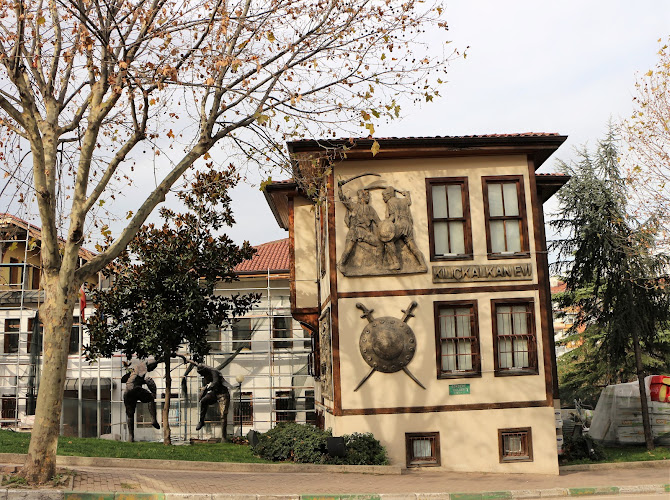
The Sword and Shield House, or Kılıç Kalkan Evi, stands as a testament to Bursa's rich cultural heritage, serving as a dedicated museum that preserves and celebrates the unique tradition of the Kılıç Kalkan dance. This distinctive martial art form, deeply rooted in the city's history, has been an integral part of Bursa's identity for centuries.
Historical Background
The origins of the Kılıç Kalkan dance date back to the early 14th century, during the Ottoman siege of Bursa. As the Ottoman forces laid siege to the city, the soldiers sought ways to maintain their morale and disrupt the resolve of the Byzantine defenders. Outside the city walls, groups of soldiers began engaging in rhythmic clashes of swords and shields, creating a resonant sound that echoed through the air. This practice not only served as a form of entertainment but also as a strategic psychological tactic to unsettle the besieged defenders.
Over time, these spontaneous displays evolved into a structured performance, incorporating choreographed movements and symbolic gestures. The dance became a medium to narrate tales of valor, unity, and the indomitable spirit of the Ottoman soldiers. By 1326, following the successful conquest of Bursa, the Kılıç Kalkan dance had transcended its military origins, becoming a cherished cultural emblem of the city. It was performed during various ceremonies, festivals, and public gatherings, symbolizing the strength and resilience of the Bursa community.
Architectural Significance
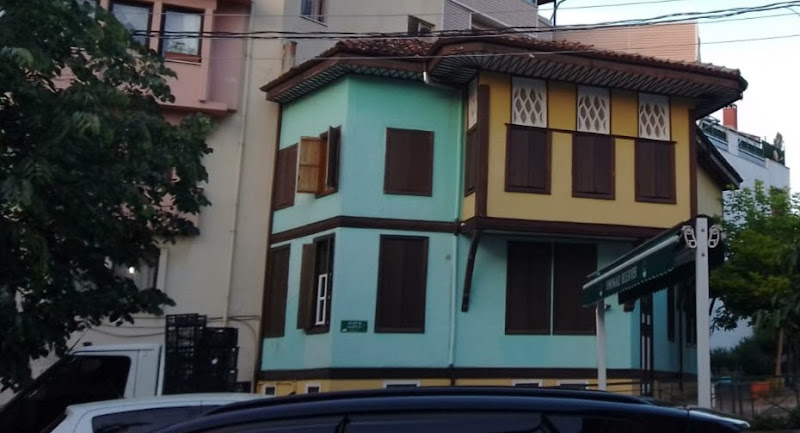
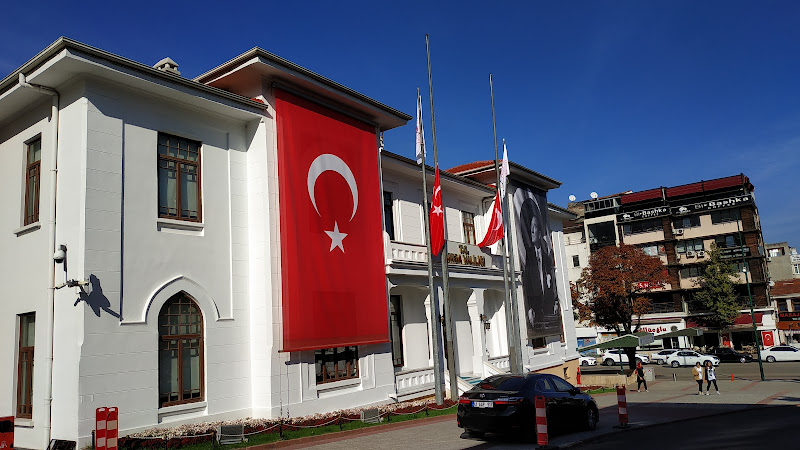
The museum is housed in a historic two-story wooden building located in the Kurtoğlu neighborhood of Yıldırım, a district in Bursa. This building, constructed over a century ago, exemplifies traditional Ottoman-era architecture, characterized by its wooden framework, intricately designed facades, and spacious interiors. The structure has been meticulously restored to preserve its historical authenticity while accommodating modern museum functions. The building's strategic location near the Setbaşı Bridge and the Setbaşı City Library situates it within a vibrant cultural precinct, making it easily accessible to both locals and tourists.
Museum Exhibits and Collections
Inside the museum, visitors are greeted with a curated collection that offers an immersive journey into the world of the Kılıç Kalkan dance. Authentic swords and shields, some dating back to the 14th century, are displayed alongside traditional costumes and attire worn by performers. These artifacts provide tangible connections to the dance's rich history and evolution. The exhibits are thoughtfully arranged to highlight the dance's progression from a military exercise to a cultural performance, emphasizing its role in fostering community identity and cohesion.
The museum also features multimedia presentations that showcase live performances, allowing visitors to experience the dynamic movements and rhythms of the dance. Workshops and interactive sessions are regularly organized, offering participants the opportunity to learn the basic steps and techniques of the Kılıç Kalkan dance. These educational programs aim to engage the community, especially the youth, in preserving and promoting this unique aspect of Bursa's cultural heritage.
Cultural Significance
The Kılıç Kalkan dance holds a unique place in Bursa's cultural landscape. Recognized as the only unaccompanied folk dance in the world, it is performed solely to the rhythm of clashing swords and shields, distinguishing it from other traditional dances that typically incorporate musical instruments. This distinctive feature underscores the dance's deep-rooted connection to martial traditions and its symbolic representation of strength and unity.
Over the centuries, the Kılıç Kalkan dance has been performed during various significant events, including military parades, weddings, and public festivals. Its performances are characterized by six key figures, each representing different aspects of military life and discipline. These figures include the "Peşrev," symbolizing the call to arms and the departure of soldiers; the "Yemin Töreni," depicting the oath-taking ceremony of new recruits; and other sequences that narrate tales of valor, camaraderie, and the spirit of the Ottoman military. The dance's enduring
Location