About this place
Discover Yunus Emre Mosque
Yunus Emre Mosque
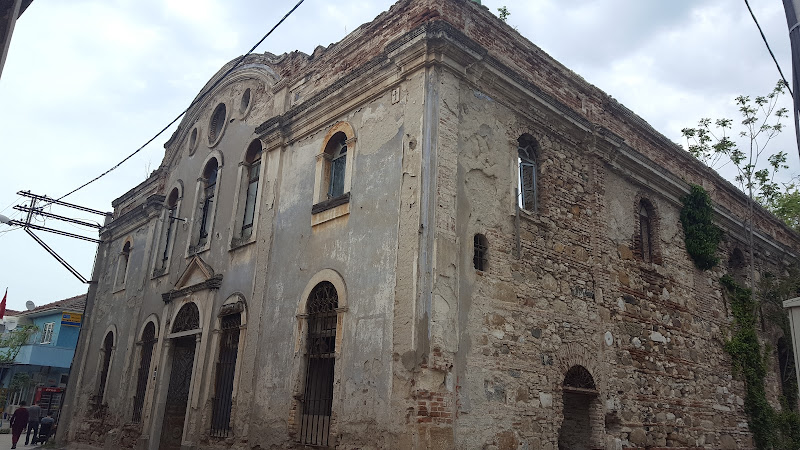
The Yunus Emre Mosque, situated in the Atıcılar neighborhood of Osmangazi, Bursa, stands as a testament to the city's rich Islamic heritage and architectural beauty. While specific historical records about the mosque's construction are scarce, its name pays homage to Yunus Emre, a revered Turkish Sufi poet and mystic from the 13th century. Emre's profound influence on Turkish literature and Sufism is evident through his poetry, which delves into themes of love, humanity, and the divine.
Historical Context
Yunus Emre was born in 1238 in Sarıköy, near Sivrihisar, within the Sultanate of Rum, now part of modern-day Turkey. His works, composed in Old Anatolian Turkish, have been instrumental in shaping the spiritual and cultural landscape of the region. Emre's poetry emphasizes the unity of all beings and the importance of inner purity, resonating deeply with the principles of Sufism. The establishment of the Yunus Emre Mosque in Bursa reflects the city's dedication to honoring figures who have significantly contributed to its spiritual and cultural identity.
Architectural Features
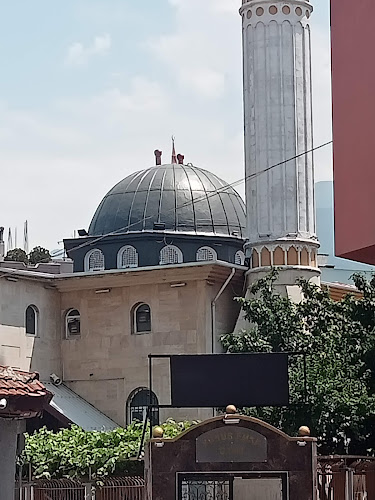
The mosque's architecture embodies the traditional Ottoman style, characterized by a central prayer hall and a minaret. The prayer hall is designed to accommodate a large congregation, with a spacious interior that fosters a sense of community and devotion. The minaret, attached to the eastern wall, is constructed using rubble stones and bricks, showcasing the craftsmanship of the era. The transition from the square plinth to the cylindrical body of the minaret is achieved through triangular sections, a distinctive feature in Ottoman architecture. The minaret's fluted body, arranged in 24 segments, and its surrounding balcony add to the mosque's architectural elegance.
Cultural and Religious Significance
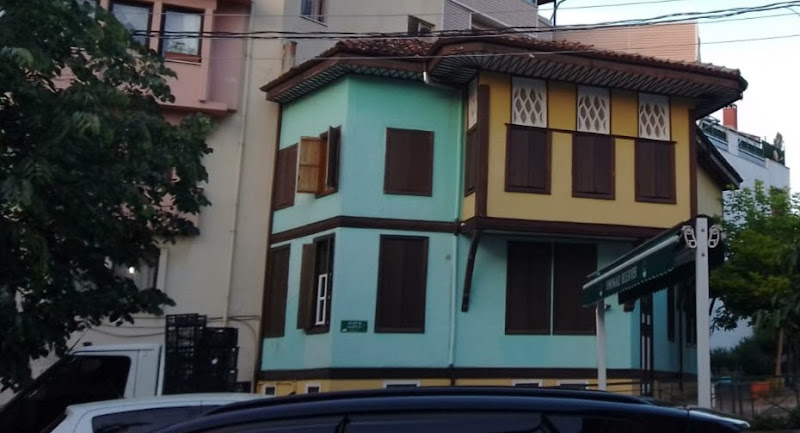
The Yunus Emre Mosque serves as a focal point for spiritual activities and community gatherings in Bursa. Its association with Yunus Emre imbues it with a deep cultural and religious significance, attracting both worshippers and visitors interested in the city's Sufi heritage. The mosque's location in the Atıcılar neighborhood, known for its traditional markets and vibrant community life, offers a unique opportunity to experience the local culture and history. The surrounding area is rich in historical sites, reflecting the city's evolution from the Byzantine era through the Ottoman period.
Visitor Information
Visitors to the Yunus Emre Mosque can immerse themselves in the serene atmosphere that pervades the mosque and its surroundings. The mosque is accessible to the public, with facilities that cater to the needs of worshippers and tourists alike. The Atıcılar neighborhood provides a picturesque setting, with its narrow streets, traditional houses, and bustling markets, offering a glimpse into the daily life of Bursa's residents. The mosque's proximity to other historical landmarks in Osmangazi makes it an integral part of the city's cultural itinerary.
Conclusion
The Yunus Emre Mosque stands as a significant monument in Bursa, reflecting the city's rich Islamic heritage and honoring the legacy of Yunus Emre. Its architectural beauty, historical context, and cultural significance make it a must-visit destination for those interested in exploring the depths of Turkish history and spirituality. The mosque not only serves as a place of worship but also as a bridge connecting the past with the present, inviting visitors to delve into the rich tapestry of Bursa's cultural and religious landscape.
Location