Tourist attraction
Barbican Centre
About this place
Discover Barbican Centre
The Barbican Centre, located in the heart of London's financial district, stands as a testament to the city's post-war resilience and cultural ambition. Officially opened in 1982 by Queen Elizabeth II, this performing arts complex has become a cornerstone of London's cultural landscape. (en.wikipedia.org)
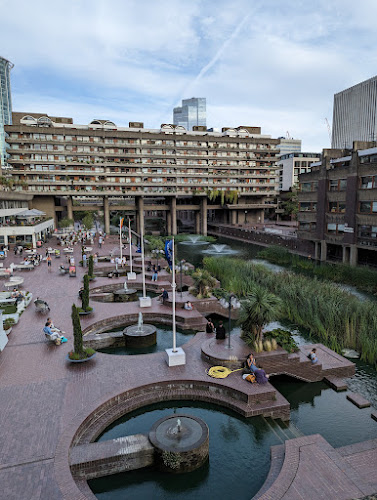
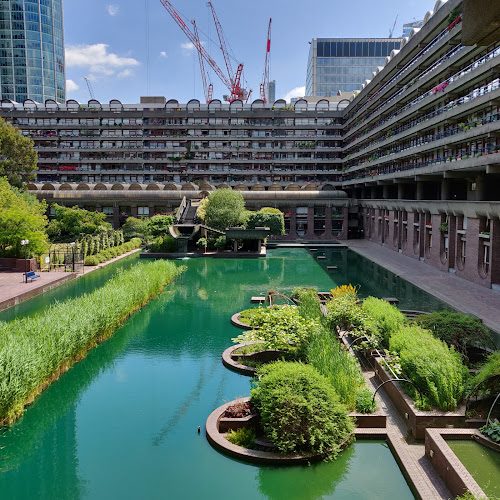
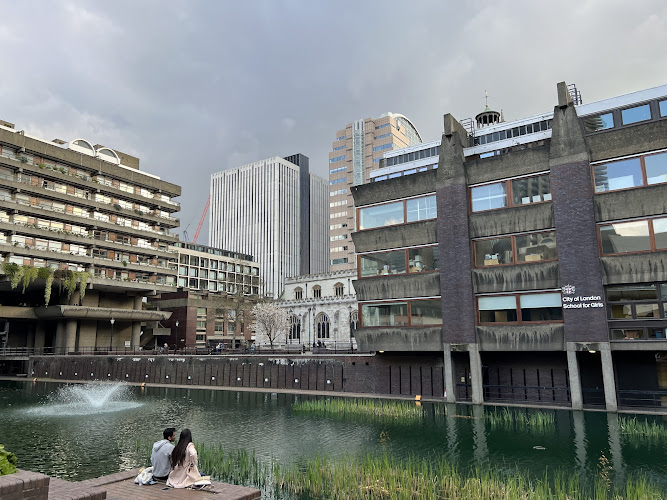
Designed by the architectural firm Chamberlin, Powell and Bon, the Barbican Centre is a prime example of Brutalist architecture. Its distinctive concrete structures and multi-level walkways have sparked both admiration and debate. Despite mixed opinions, the centre was designated a Grade II listed building in 2001, recognizing its architectural significance. (en.wikipedia.org)
The centre's design is intricately woven into the surrounding Barbican Estate, a residential complex that also houses the Museum of London and the Guildhall School of Music and Drama. This integration creates a vibrant cultural hub, blending residential life with artistic expression. (en.wikipedia.org)
Within its walls, the Barbican Centre offers a diverse array of facilities. The Concert Hall, with a seating capacity of 1,943, serves as the home for the London Symphony Orchestra and the BBC Symphony Orchestra. The Theatre, designed exclusively for the Royal Shakespeare Company, seats 1,156 and hosts a range of theatrical performances. For more intimate events, The Pit Theatre provides a flexible 200-seat venue. The centre also boasts three cinema screens, a public library, and a conservatory filled with exotic plants and trees. (en.wikipedia.org)
Over the years, the Barbican Centre has been at the forefront of cultural programming. It regularly hosts art exhibitions, film screenings, and music concerts, catering to a wide range of artistic tastes. The Barbican Art Gallery, for instance, has showcased works by renowned artists such as Picasso and Alice Neel. Additionally, the centre's cinema screens a variety of films, from the latest releases to documentaries and foreign films, and hosts film festivals and Q&A sessions with filmmakers. (citymatters.london)
The Barbican Centre's commitment to the arts is further exemplified by its role as the London-based venue for the Royal Shakespeare Company, which returned in 2013 after a 12-year hiatus. This partnership underscores the centre's dedication to presenting high-quality theatrical productions. (en.wikipedia.org)
In recent years, the Barbican Centre has undertaken significant refurbishments to enhance its facilities and accessibility. These improvements aim to ensure that the centre remains a dynamic and welcoming space for both artists and audiences. (en.wikipedia.org)
Beyond its architectural and cultural offerings, the Barbican Centre plays a vital role in the community. Its public library is one of the largest in London, housing special collections in arts and music, and regularly conducting free events. The conservatory, a hidden gem within the centre, provides a tranquil escape from the city's hustle and bustle. (citymatters.london)
In essence, the Barbican Centre is more than just a performing arts venue; it is a cultural landmark that embodies London's spirit of innovation and resilience. Its diverse facilities and programming continue to attract millions of visitors each year, solidifying its status as a premier destination for arts and culture in the city.
Location