Historical landmark
Hyde Park Barracks
About this place
Discover Hyde Park Barracks
Hyde Park Barracks
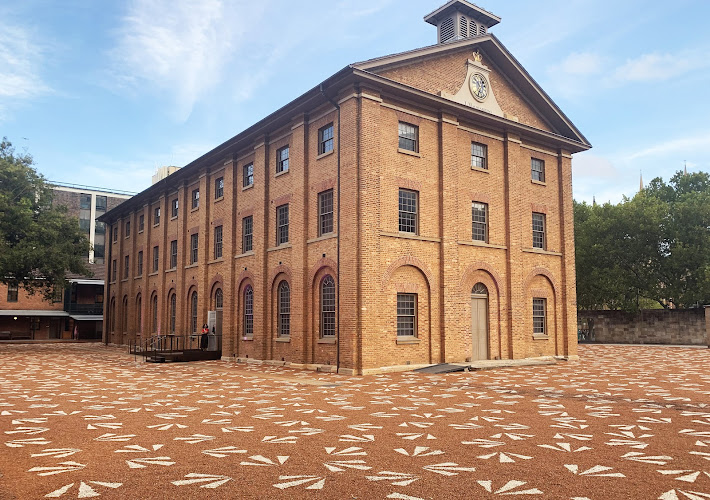
Hyde Park Barracks, situated in the heart of Sydney's central business district, stands as a testament to Australia's colonial history and its convict past. This UNESCO World Heritage-listed site offers visitors a comprehensive and immersive experience into the lives of those who once inhabited its walls.
Historical Background
The barracks were designed by Francis Greenway, a convict architect who, despite his status as a convict, became one of the most prominent architects of the time. Commissioned by Governor Lachlan Macquarie, the construction of the barracks began in 1817 and was completed in 1819. The building was intended to house male convicts who were employed in public works across the colony. Initially designed to accommodate 600 men, the facility often housed up to 1,400 convicts at a time, with approximately 30,000 men and boys passing through between 1819 and 1848. (en.wikipedia.org)
The barracks were strategically located at the northern end of Hyde Park, forming part of Governor Macquarie's vision to create a civic square in Sydney. This vision included the construction of significant public buildings, with the barracks serving as a cornerstone of this plan. (visitsydneyaustralia.com.au)
Architectural Significance
The design of the barracks is a fine example of Georgian architecture, characterized by its symmetry and classical proportions. The building's layout was meticulously planned to accommodate the large number of convicts, with dormitories arranged around a central courtyard. The use of convict labor in its construction not only provided the necessary workforce but also served as a form of rehabilitation, integrating the convicts into the colony's development. (visitsydneyaustralia.com.au)
Evolution of the Barracks
After the cessation of convict transportation in 1840, the barracks underwent several transformations. In 1848, it became the Female Immigration Depot, catering to single female immigrants seeking work as domestic servants and awaiting family reunion. This role continued until 1852, after which the building served as an orphan institution and, between 1862 and 1886, as an asylum for infirm and destitute women. In 1886, the site transitioned to house law courts and government offices, marking a significant shift in its function within the community. (en.wikipedia.org)
Restoration and Museum Experience
In 2019, the barracks underwent an $18 million restoration aimed at transforming it into an immersive museum experience. Reopened in February 2020, the museum now features over 4,000 original artifacts, including convict clothing, personal items, and other historical objects. These artifacts provide a tangible connection to Australia's convict heritage, allowing visitors to engage with the past in a meaningful way. (nsw.gov.au)
The museum employs innovative audio technology to guide visitors through the site. This technology offers location-based narratives, allowing visitors to hear stories and accounts from the perspectives of those who lived and worked in the barracks. This immersive approach brings history to life, providing a deeper understanding of the experiences of convicts, immigrants, and institutionalized women. (nsw.gov.au)
Visitor Information
The Hyde Park Barracks Museum is open daily from 10:00 am to 5:00 pm, except on Good Friday and Christmas Day. Admission is free, and the site is accessible to people with various needs. Facilities include a gift shop, public toilets, and a café, ensuring a comfortable visit for all guests. (nsw.gov.au)
For those interested in exploring the rich history of Sydney and Australia's convict past, the Hyde Park Barracks Museum offers a comprehensive and engaging experience. Its combination of historical significance, architectural beauty, and innovative presentation makes it a must-visit destination for both history enthusiasts and casual visitors alike.
Location