Hindu temple
Maa RajRajeshwari
About this place
Discover Maa RajRajeshwari
Maa RajRajeshwari
Maa RajRajeshwari Temple, situated in the bustling locality of Fariapukur in Shyam Bazar, Kolkata, West Bengal, is a prominent Hindu temple dedicated to Goddess RajRajeshwari. This temple holds a significant place in the spiritual landscape of Kolkata, attracting devotees and visitors alike with its rich history, architectural beauty, and cultural significance.
Historical Background
The origins of Maa RajRajeshwari Temple are intertwined with the rich tapestry of Kolkata's religious and cultural evolution. While specific historical records about the temple's establishment are limited, it is believed to have been founded in the early 20th century by a group of devout followers who sought to create a sanctuary dedicated to Goddess RajRajeshwari. The goddess is revered as a manifestation of the supreme feminine energy, embodying grace, power, and universal beauty.
Over the decades, the temple has undergone several renovations and expansions to accommodate the growing number of devotees and to preserve its architectural integrity. These efforts have ensured that the temple remains a vibrant center of worship and cultural activities, reflecting the enduring devotion of the community.
Architectural Significance
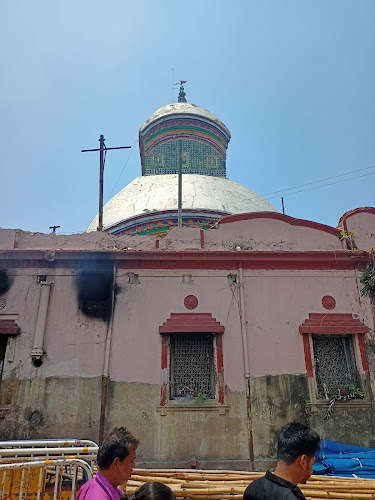
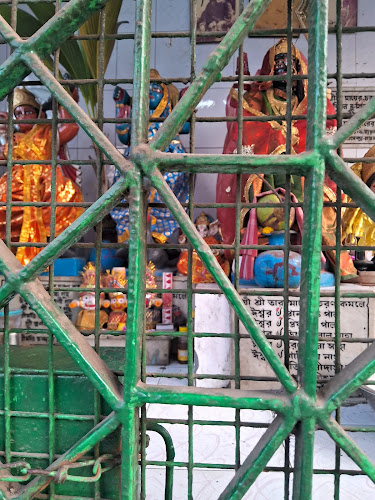
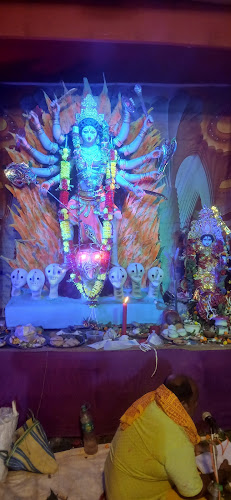
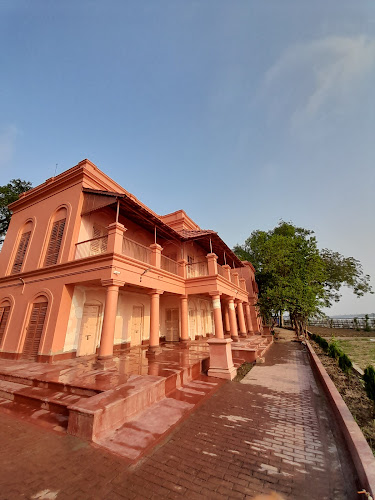
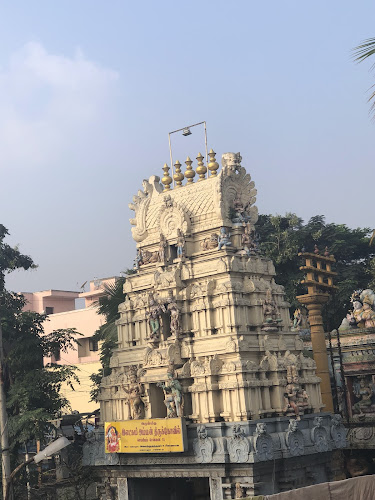
The temple's architecture is a testament to traditional Bengali temple design, characterized by ornate terracotta work, intricate carvings, and a distinctive roof structure. The main entrance is adorned with sculptures depicting various deities and mythological scenes, welcoming visitors into a space of spiritual reverence. The sanctum sanctorum, or garbhagriha, houses the idol of Goddess RajRajeshwari, which is the focal point of the temple.
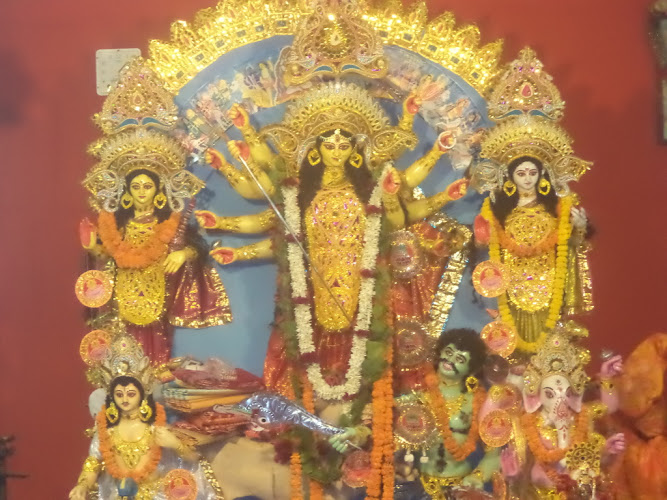
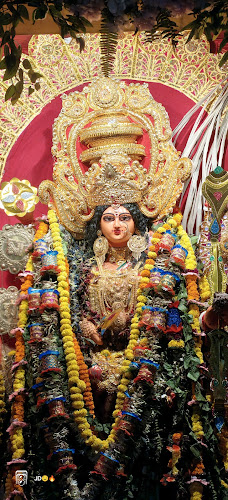
The idol is artistically crafted, depicting the goddess with multiple arms, each holding symbolic items that represent different aspects of life and the universe. The deity is adorned with elaborate jewelry, traditional attire, and a serene expression, exuding a sense of divine grace and power. The temple's interior is illuminated by oil lamps and decorated with flowers, creating a serene and inviting atmosphere for devotees and visitors.
Cultural and Religious Practices
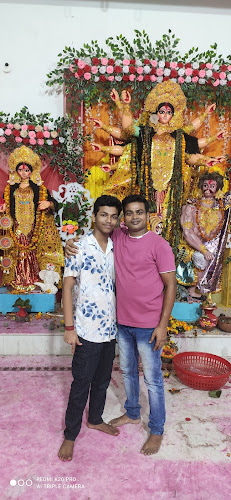
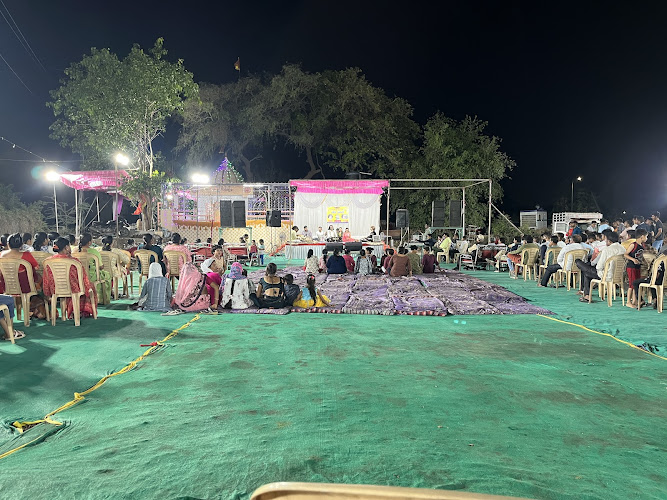
Maa RajRajeshwari Temple serves as a vibrant center for religious and cultural activities. Devotees visit the temple throughout the year, seeking blessings, performing rituals, and participating in various ceremonies. The temple is especially lively during major Hindu festivals such as Durga Puja, Navaratri, and Kali Puja, when special rituals, processions, and cultural programs are organized.
During these festivals, the temple is adorned with lights, flowers, and traditional decorations, creating a festive ambiance that attracts thousands of visitors. Special rituals and offerings are performed, and cultural programs showcasing traditional music, dance, and drama are organized, reflecting the rich cultural heritage of Bengal. The temple also serves as a platform for community engagement, hosting workshops, lectures, and exhibitions that promote spiritual learning and cultural exchange.
Community Engagement and Social Initiatives
Beyond its religious functions, Maa RajRajeshwari Temple plays a pivotal role in community development and social welfare. The temple authorities have initiated several programs aimed at uplifting the underprivileged sections of society. These initiatives include organizing free medical camps, educational workshops, and providing food and clothing to the needy. The temple also collaborates with local NGOs and social organizations to address various social issues, reflecting its commitment to the welfare of the community.
Visitor Information
For those planning a visit to Maa RajRajeshwari Temple, the location in Fariapukur, Shyam Bazar, makes it easily accessible by various modes of transportation. The nearest metro station is Shyam Bazar, which is approximately a 10-minute walk from the temple. Several bus routes also pass through the area, with stops near the temple. For visitors traveling by car, parking facilities are available in the vicinity, though they may be limited during peak hours and festival times.
The temple is open to visitors throughout the week, with specific timings for darshan (viewing of the deity) and rituals. It is advisable to check the temple's official website or contact the temple authorities directly for the latest information on visiting hours, special
Location