Tourist attraction
Kokyo Gaien National Garden
About this place
Discover Kokyo Gaien National Garden
Kokyo Gaien National Garden
Kokyo Gaien National Garden, situated in the heart of Tokyo, is a historic park that encircles the Imperial Palace, offering a serene escape from the city's hustle. Established on June 1, 1949, it spans approximately 450,000 square meters and is managed by Japan's Ministry of the Environment. (en.wikipedia.org)
Historical Significance
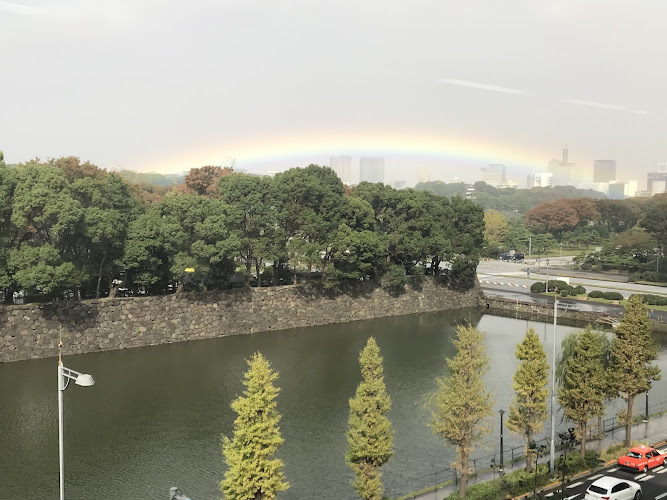
The garden's grounds were once part of Edo Castle, constructed in 1457. The Tokugawa shogunate expanded the castle, making it the largest stronghold in Japan. After the Meiji Restoration in 1868, the area transitioned from a military stronghold to the Imperial Palace grounds. Today, remnants of the castle, including moats, gates, and stone walls, are preserved as Special Historic Sites and Important Cultural Properties. (env.go.jp)
Key Attractions
- Nijubashi Bridge: This iconic double bridge offers picturesque views of the Imperial Palace and is a symbol of Japan's architectural heritage. (env.go.jp)
- Sakurada-mon Gate: Designated as an Important Cultural Property, this gate is a testament to the architectural prowess of the Edo period. (en.wikipedia.org)
- Statue of Kusunoki Masashige: A bronze statue honoring the 14th-century samurai known for his unwavering loyalty to Emperor Go-Daigo. (japan.travel)
- Wadakura Fountain Park: Established in 1961 to commemorate the marriage of Emperor Emeritus Akihito and Empress Emerita Michiko, this park features elegant fountains and a waterfall, providing a tranquil retreat within the city. (env.go.jp)
Visitor Information
The garden is open to the public year-round, offering a peaceful environment amidst Tokyo's urban landscape. It's an ideal spot for leisurely walks, photography, and experiencing Japan's rich history and natural beauty. (env.go.jp)
Architectural Highlights
The garden is home to several historical structures that showcase Japan's architectural heritage:
- Tayasu-mon Gate: Situated at the northern part of the old Edo Castle, this gate is the oldest remaining gate in Kokyo Gaien National Garden. Reconstructed in 1636, it is a prime example of the Masugata-mon style of gate. (env.go.jp)
- Shimizu-mon Gate: Located in the Kitanomaru Garden area, this gate was rebuilt in 1658 and is designated as an Important Cultural Asset. (env.go.jp)
Cultural Significance
Kokyo Gaien National Garden serves as a cultural hub, hosting various events and exhibitions throughout the year. Its proximity to the Imperial Palace makes it a focal point for national celebrations and ceremonies. The garden's design and maintenance reflect Japan's commitment to preserving its cultural heritage while providing a space for public enjoyment.
Flora and Fauna
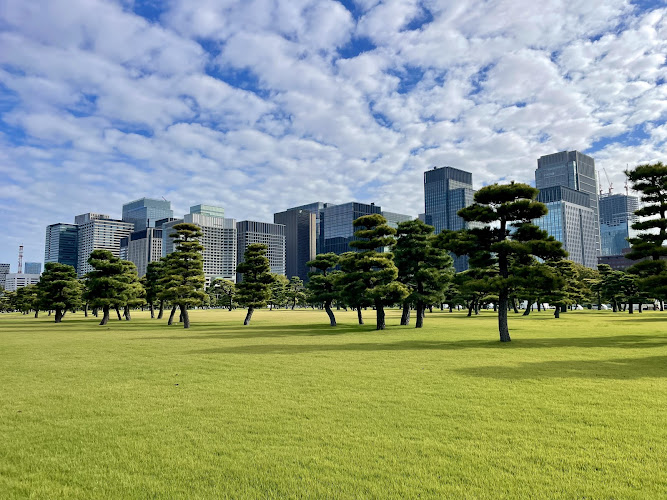
The garden is home to approximately 2,000 black pine trees, contributing to its lush greenery. The moats surrounding the Imperial Palace are inhabited by graceful swans, and during winter, many migratory birds visit, adding to the garden's natural beauty. (gltjp.com)
Accessibility
The garden is easily accessible via public transportation. The closest station is Nijubashimae Station, a five-minute walk from the main attractions. Alternatively
Location