Historical landmark
Hibiya-bori moat
About this place
Discover Hibiya-bori moat
Hibiya-bori Moat
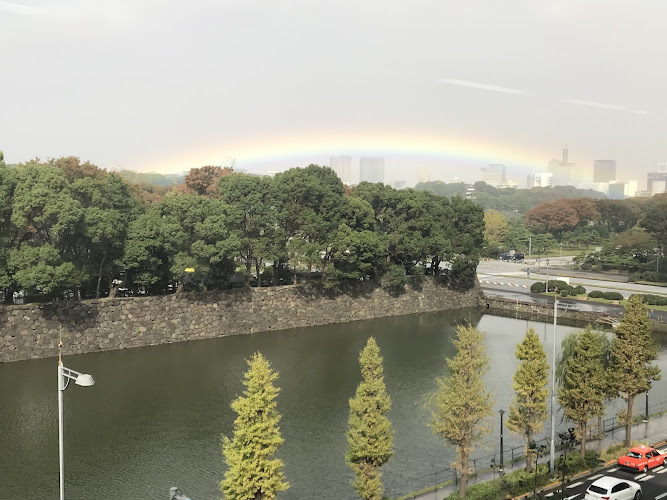
Hibiya-bori is a historic moat situated on the southeastern side of the Imperial Palace grounds in Tokyo, Japan. As part of the inner moat system that once encircled Edo Castle, it played a crucial role in the city's defense and urban development. The moat extends from Iwaidabashi Bridge to Babazakimon Gate, encompassing a significant portion of the palace's perimeter.
Historical Background
The area now known as Hibiya was originally a lowland near an ocean cove, with the sea reaching the present Nishinomaru area of Edo Castle. During the construction of Edo Castle in the late 16th century, extensive land reclamation and construction efforts transformed the landscape, leading to the development of the Hibiya area. (timeout.com)
Architectural Significance
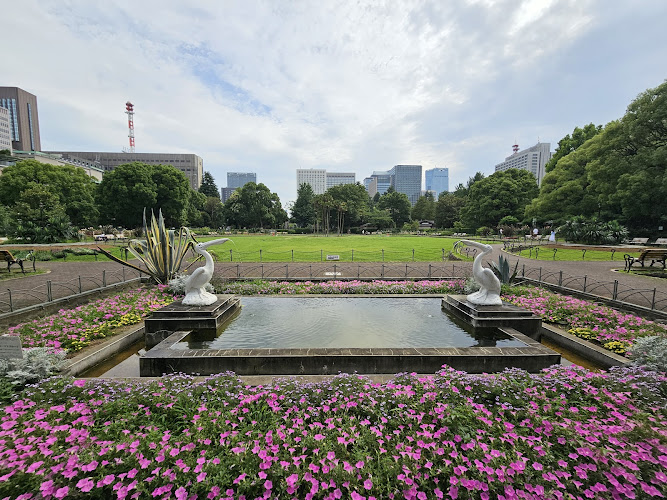
The moat's design reflects the advanced engineering skills of the Edo period. Its stone walls and water channels were meticulously constructed to enhance the castle's fortifications. The surrounding area, including the Hibiya Park, showcases a blend of traditional Japanese landscaping and Western-style park design, offering a serene environment amidst the bustling city.
Cultural and Social Importance
Hibiya-bori has been a silent witness to numerous historical events, including the Hibiya Incendiary Incident of 1905. This significant protest against the government's handling of the Russo-Japanese War peace treaty led to widespread unrest and marked a pivotal moment in Japan's modern history. (en.wikipedia.org)
Visitor Information
Today, Hibiya-bori remains a picturesque feature of Tokyo's urban landscape, offering a glimpse into the city's rich historical heritage. Visitors can enjoy leisurely walks along the moat, especially during the cherry blossom season when the area is adorned with blooming sakura trees. The nearby Hibiya Park provides additional recreational opportunities, including cultural events and performances. The area is easily accessible via the Hibiya subway station, making it a convenient destination for both tourists and locals.
In conclusion, Hibiya-bori is not just a physical structure but a testament to Tokyo's evolving history, architectural ingenuity, and cultural significance. Its enduring presence continues to captivate and educate those who visit, offering a unique window into Japan's past.
Location