Tourist attraction
Ancient Scandinavian Runestone (Replica)
About this place
Discover Ancient Scandinavian Runestone (Replica)
Ancient Scandinavian Runestone (Replica)
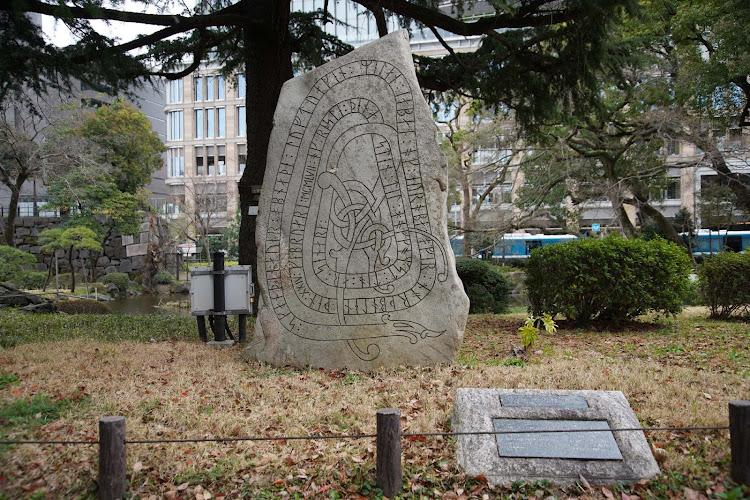
Nestled within Tokyo's Hibiya Park, the Ancient Scandinavian Runestone (Replica) stands as a testament to the deepening ties between Japan and Scandinavia during the mid-20th century. This monument not only honors a significant milestone in aviation history but also serves as a cultural bridge, reflecting the shared appreciation for heritage and innovation between the two regions.
Historical Context
In the early 1950s, the aviation industry was undergoing rapid advancements, with airlines seeking more efficient and direct routes to connect continents. On February 24, 1957, Scandinavian Airlines (SAS) achieved a remarkable feat by inaugurating a new air route that traversed the Arctic Circle, linking Europe directly to Japan. This pioneering route significantly reduced travel time between the continents, marking a new era in international air travel.
The establishment of this Arctic air route was not merely a technical achievement but also a symbol of the growing diplomatic and cultural relations between Japan and Scandinavian countries. Recognizing the importance of this development, Scandinavian Airlines decided to commemorate the 10th anniversary of the route's inception in 1967 by donating a replica of an ancient Scandinavian runestone to Tokyo. This gesture was intended to honor the enduring friendship and cooperation between the two regions.
Design and Symbolism
The replica runestone is meticulously crafted to mirror the design of authentic Viking-era stones found in Scandinavia. These original stones were often erected to commemorate significant events, honor individuals, or mark territorial boundaries. The inscriptions on the runestone are in runic script, the writing system used by the Norse people, adding an authentic touch to the monument.
The runic inscriptions on the stone are not merely decorative; they convey a message that ties back to the historical event it commemorates. While the exact translation of the runes varies, the essence of the inscription celebrates the opening of the Arctic air route and acknowledges the 10th anniversary of this achievement. This inscription serves as a reminder of the shared history and the collaborative spirit that led to this significant milestone.
Location and Accessibility
Hibiya Park, where the runestone is located, is one of Tokyo's oldest public parks, established in 1903. The park is renowned for its beautiful landscapes, including ponds, walking paths, and a variety of flora, making it a popular spot for both relaxation and recreation. The runestone is situated near the park's Shinji Pond, a serene area that enhances the monument's historical ambiance.
Visitors can easily access Hibiya Park via Tokyo Metro's Hibiya Station, which is directly connected to the park. The park's central location in the city makes it a convenient destination for tourists and locals alike. The runestone is accompanied by an explanatory plaque in both Japanese and English, providing context and details about its significance.
Cultural Significance
The presence of the Ancient Scandinavian Runestone in Tokyo is a testament to the cultural exchange and mutual respect between Japan and Scandinavian countries. It symbolizes the shared values of innovation, exploration, and friendship. The monument serves as a physical manifestation of the bonds formed through aviation and diplomacy, reflecting a period when international relations were being redefined in the post-war era.
For visitors, the runestone offers a unique opportunity to connect with a piece of Scandinavian heritage in the heart of Tokyo. It stands as a reminder of the global interconnectedness that defines the modern world, highlighting how cultural and technological advancements can bring distant nations closer together.
Visitor Experience
Exploring the runestone provides visitors with a chance to delve into a lesser-known aspect of Tokyo's rich tapestry of historical landmarks. The park's tranquil environment offers a peaceful setting to reflect on the monument's significance. The juxtaposition of the ancient runic script against the backdrop of modern Tokyo serves as a poignant reminder of the city's ability to honor and preserve diverse cultural histories.
In conclusion, the Ancient Scandinavian Runestone (Replica) in Hibiya Park is more than just a monument; it is a symbol of international friendship, historical achievement, and cultural appreciation. It stands as a testament to the enduring connections that can be forged through shared experiences and mutual respect, offering visitors a unique glimpse into the intertwined histories of Japan and Scandinavia.
Location