Tourist attraction
Pelican Fountains
About this place
Discover Pelican Fountains
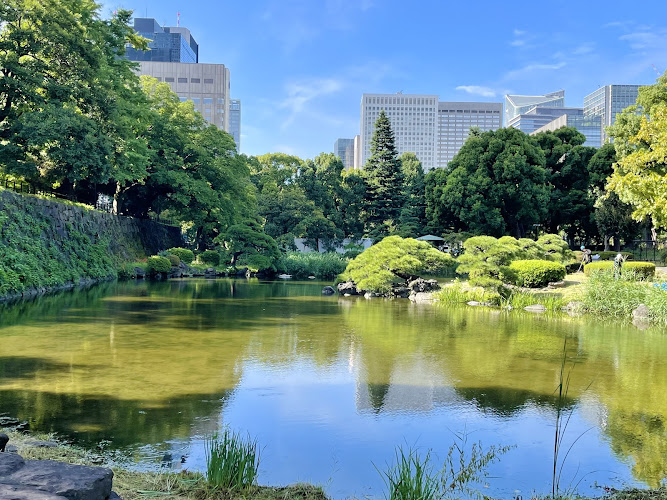
Hibiya Park, situated in Tokyo's Chiyoda Ward, stands as a testament to the city's rich history and commitment to green spaces. Established in 1903, it was Japan's first modern Western-style park, marking a significant departure from traditional Japanese garden designs. The park's creation was part of a broader urban remodeling project during the Meiji period, reflecting the nation's desire to modernize and embrace Western influences. (foundjapan.jp)
Historical Significance
The land that now comprises Hibiya Park was once the residence of feudal lords during the Edo period. In the Meiji era, it transformed into an army training ground before being developed into a public park. Its opening in 1903 was a significant milestone, symbolizing Japan's modernization efforts. The park's design incorporated Western elements, such as flowerbeds and open spaces, which were novel concepts at the time. (foundjapan.jp)
Architectural and Natural Features
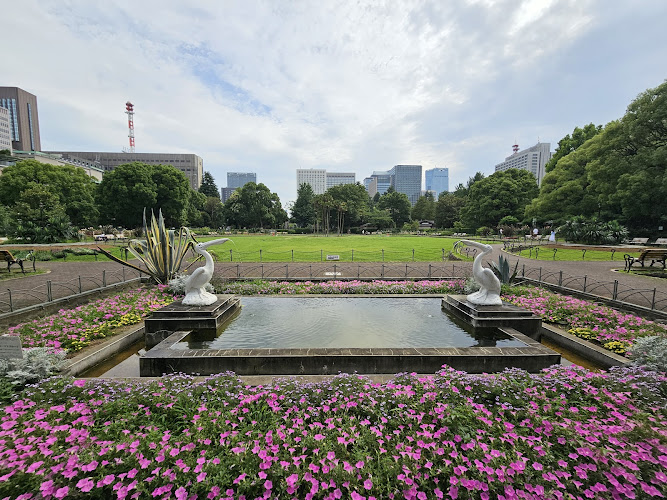
Hibiya Park is renowned for its blend of natural beauty and architectural landmarks. The First Flower Garden, with its Western-style geometric flowerbeds, is a prime example. Adjacent to this garden is the Pelican Fountain, featuring two facing pelicans—a design that adds a touch of elegance and whimsy to the park. This fountain has become an iconic photo spot, attracting both locals and tourists. (foundjapan.jp)
The Grand Fountain and Fountain Square, located near the Hibiya Gate, further enhance the park's aesthetic appeal. These features provide additional spaces for visitors to relax and enjoy the surroundings. (foundjapan.jp)
Cultural Significance
Beyond its natural beauty, Hibiya Park holds cultural importance. It has been a venue for various events, concerts, and gatherings, serving as a cultural hub in the city. The park's design and features reflect a fusion of Japanese and Western influences, symbolizing the nation's modernization during the Meiji period. (foundjapan.jp)
Notable Events and Developments
In recent years, Hibiya Park has undergone several developments to enhance its appeal. The area formerly known as the Second Flower Bed has been redeveloped into Shibaniwa Plaza, an open lawn space that has become a popular spot for relaxation. This redevelopment reflects the park's ongoing evolution and its role as a dynamic urban space. (gltjp.com)
Visitor Information
Hibiya Park is centrally located, making it easily accessible from various parts of Tokyo. Multiple subway lines converge near the park, including the Tokyo Metro Hibiya Line, Chiyoda Line, and Marunouchi Line. The park is open year-round, offering a peaceful retreat in the heart of the city. Whether you're interested in history, architecture, or simply seeking a tranquil spot to relax, Hibiya Park provides a unique and enriching experience.
In conclusion, Hibiya Park is more than just a green space in Tokyo; it is a historical landmark that encapsulates the city's journey through modernization. Its blend of natural beauty, architectural features, and cultural significance makes it a must-visit destination for anyone interested in Tokyo's rich heritage and vibrant urban life.
Location