Tourist attraction
Seiji-ike Pond (Shinji-ike Pond)
About this place
Discover Seiji-ike Pond (Shinji-ike Pond)
Shinji-ike Pond
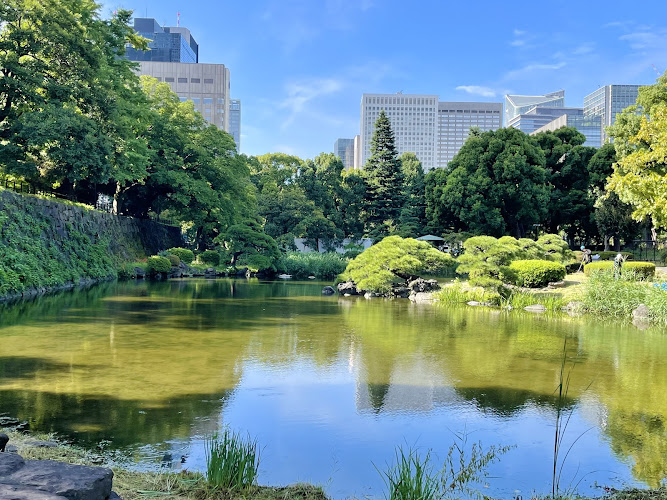
Shinji-ike Pond, also known as Sanshirō Pond, is a historic and culturally significant landmark situated within the University of Tokyo's Hongo Campus in Bunkyo City, Tokyo. This picturesque pond, with its unique heart-shaped design, offers a serene retreat amidst the bustling urban environment, reflecting Japan's rich feudal history and literary heritage.
Historical Background
The origins of Shinji-ike Pond trace back to 1638 during the early Edo period, a time when the Maeda clan of the Kaga Domain, one of the most powerful feudal families in Japan, established a residence in Edo (now Tokyo). Recognizing the importance of gardens in feudal residences, the Maeda clan commissioned the creation of the Ikutokuen Garden, which included the construction of Shinji-ike Pond. The pond's design was meticulously planned to resemble the kanji character "心" (shin), meaning "heart," symbolizing the core of the garden's aesthetic and spiritual essence. (u-tokyo.ac.jp)
Following the death of Toshitsune Maeda, the 2nd Lord of the Kaga Domain, the garden underwent restoration by Tsunanori Maeda, the 4th Lord. Under his patronage, the garden's beauty and design were further refined, solidifying its reputation as a masterpiece among feudal lord gardens in Edo. The meticulous landscaping, strategic placement of stones, and selection of plant species were all intended to create a harmonious and contemplative environment, reflecting the aesthetic principles of Japanese garden design.
Literary Significance
In the early 20th century, Shinji-ike Pond gained literary fame through its prominent role in Natsume Sōseki's novel "Sanshirō," published in 1908. Sōseki, a renowned Japanese author, depicted the pond as the setting where the protagonist, Sanshirō, first encounters the woman he admires. This literary association led to the pond being affectionately referred to as Sanshirō Pond, a name that endures to this day. The novel's success and the pond's depiction as a romantic meeting place have cemented its place in Japanese cultural consciousness. (u-tokyo.ac.jp)
Architectural and Cultural Features
The design of Shinji-ike Pond is a testament to the sophisticated landscaping techniques of the Edo period. The pond's shoreline, shaped to resemble the kanji character "心" (shin), is a distinctive feature that sets it apart from other traditional Japanese gardens. This design not only serves an aesthetic purpose but also embodies the philosophical and spiritual underpinnings of Japanese garden design, where every element is thoughtfully integrated to create a harmonious whole.
Surrounding the pond are traditional stone lanterns, bridges, and meticulously pruned trees, all contributing to the garden's tranquil and contemplative atmosphere. The presence of these elements reflects the Japanese appreciation for nature and the art of garden design, emphasizing simplicity, asymmetry, and the beauty of imperfection.
Modern-Day Significance
Today, Shinji-ike Pond continues to be a cherished landmark within the University of Tokyo's Hongo Campus. It serves as a peaceful retreat for students, faculty, and visitors, offering a space for reflection, relaxation, and inspiration. The pond's enduring presence amidst the academic environment symbolizes the university's deep connection to Japan's cultural and historical heritage.
The pond also plays a role in the university's cultural and social life. It is a popular spot for photography, especially during the changing seasons when the surrounding foliage provides a stunning backdrop. The pond's association with "Sanshirō" continues to attract literature enthusiasts and scholars interested in the intersection of Japanese literature and historical sites.
Visitor Information
Visitors to Shinji-ike Pond can enjoy a leisurely stroll around its perimeter, taking in the serene landscape and reflecting on its historical and literary significance. The pond is accessible to the public, and its location within the University of Tokyo's campus makes it convenient for those exploring the area. While the pond itself is free to visit, it's advisable to check the university's official website or contact the campus administration for any specific visiting hours or guidelines.
In conclusion, Shinji-ike Pond is more than just a body of water; it is a living testament to Japan's rich feudal history, cultural traditions, and literary heritage. Its unique design, historical background, and continued significance make it a must-
Location