measure
Wat Yang Muen (วัดยั้งเมิน)
About this place
Discover Wat Yang Muen (วัดยั้งเมิน)
Wat Yang Muen
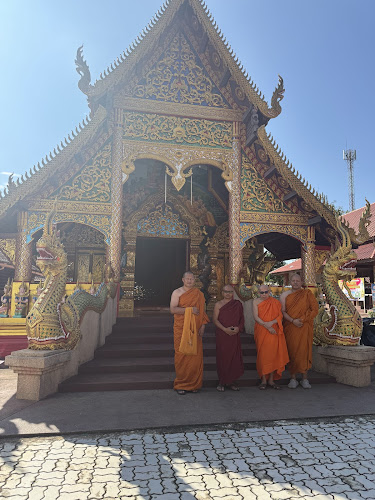
Wat Yang Muen, situated in the Samoeng District of Chiang Mai, Thailand, is a Buddhist temple with a rich history that spans several centuries. Established in the 14th century during the reign of King Phayu of the Lan Na Kingdom, the temple has been a significant religious and cultural landmark in the region. Its strategic location on the southern outskirts of Chiang Mai's old town in the Haiya district has made it a focal point for both local communities and visitors.
Historical Background
The exact date of Wat Yang Muen's construction remains uncertain, but it is widely believed to have been built by King Phayu, who ruled the Lan Na Kingdom in the mid-14th century. The temple's existence is confirmed around the beginning of the 16th century, as it is mentioned in the Nirat Hariphunchai, a poetic work that reflects the cultural and religious landscape of the time. Originally named Wat Nang Rua, meaning "temple with a fence," the name referred to a camp believed to have been established nearby by King Mangrai during his search for a site to build the new city.
The temple's history is marked by periods of abandonment and restoration. During the Burmese invasion of Lan Na, Wat Yang Muen was abandoned. However, in 1797, King Kawila restored the city and, by extension, the temple. Following this restoration, Shan people (Tai Yai) from Kengtung were relocated to Chiang Mai by King Kawila to bolster his army. Many of these settlers resided in the Haiya area and took it upon themselves to renovate the abandoned temple, renaming it Wat Yan Guang after their hometown of Ban Na Yang Guang in Kengtung.
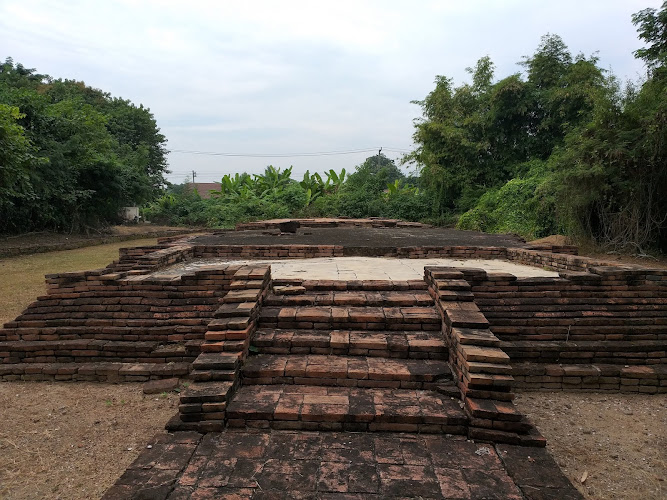
After World War II, the temple faced another period of neglect. It wasn't until 2006 that significant restoration and rebuilding efforts were undertaken, breathing new life into the temple and ensuring its preservation for future generations. In 2017, during construction works, an old building with an altar was discovered at the site, providing valuable insights into the temple's historical architecture and religious practices.
Architectural Features
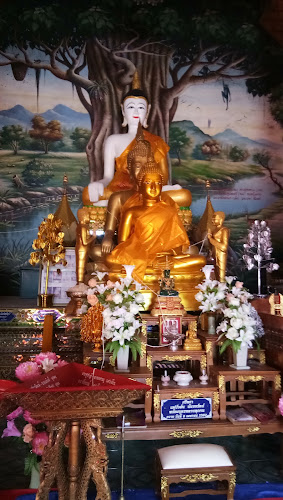
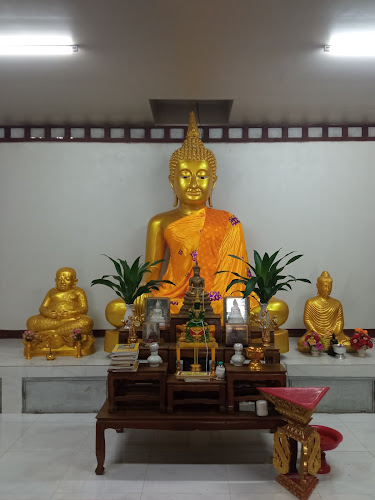
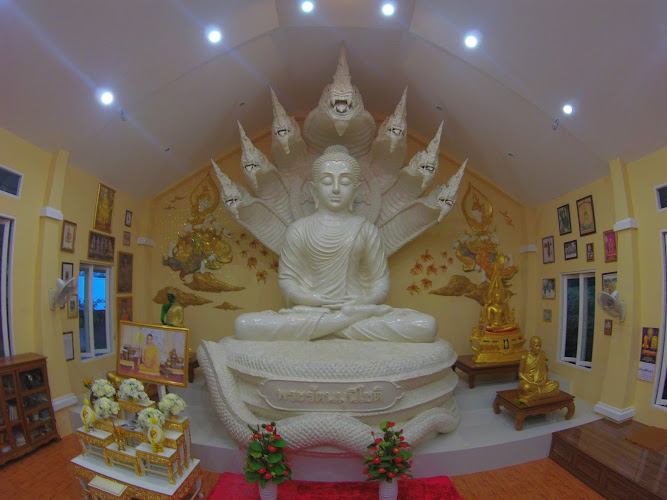
Wat Yang Muen showcases the distinctive Lan Na architectural style, characterized by intricate woodwork and ornate decorations. The modern viharn, or assembly hall, is a prime example of this style. It houses the principal Buddha image, known as Phra Phuttha Saksit, and a large statue of King Mangrai, symbolizing the deep-rooted connection between the temple and the region's royal heritage.
The chedi, or stupa, is another notable feature of the temple. Constructed in the 19th century, it is octagonal in shape, with a bell-shaped tier topped by a Burmese umbrella, or hti. The base of the chedi is adorned with stucco carvings, adding to its aesthetic appeal and reflecting the artistic traditions of the time.
Cultural Significance
Wat Yang Muen holds significant cultural and religious importance in the Chiang Mai region. As a place of worship and community gathering, it serves as a focal point for local residents and visitors alike. The temple's history of restoration and renovation reflects the resilience and dedication of the local community in preserving their cultural heritage. The involvement of the Shan people in the temple's renovation highlights the multicultural influences that have shaped the region's history.
Visitor Information
Visitors to Wat Yang Muen can explore its rich history and architectural beauty. The temple is open to the public, offering a serene environment for reflection and appreciation of its cultural significance. While specific visiting hours may vary, it is advisable to check the latest information before planning a visit. The temple's location in the Haiya district makes it accessible to those exploring the southern outskirts of Chiang Mai's old town.
In conclusion, Wat Yang Muen stands as a testament to the enduring legacy of the Lan Na Kingdom. Its rich history, architectural beauty, and cultural significance make it a noteworthy destination for those interested in the historical and spiritual heritage of Chiang Mai.
Location